
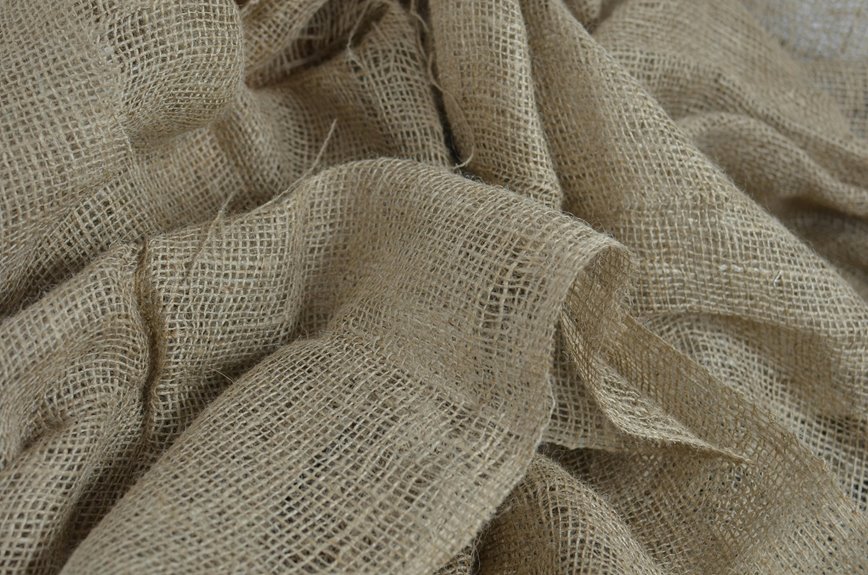
You might wonder why hemp fabric, known for its environmental benefits, hasn’t gained mainstream popularity despite its potential. While it offers sustainable advantages, several obstacles keep it on the fringes of the textile market. Issues like regulatory restrictions, production costs, and consumer misconceptions play a significant role. As you explore the complexities surrounding hemp fabric, you’ll uncover the reasons behind its limited acceptance and what could change that narrative.
Key Takeaways
- Regulatory restrictions in various regions limit hemp cultivation and availability in the market.
- Consumer awareness of hemp fabric’s environmental benefits remains low, impacting demand.
- Higher production costs compared to conventional fabrics deter price-sensitive consumers.
- Limited retail presence and competition from established fabrics hinder mainstream adoption.
- Perception issues tie hemp to counterculture rather than recognizing its viability as a sustainable material.
The Environmental Advantages of Hemp Fabric
As you explore sustainable materials, you’ll find that hemp fabric offers remarkable environmental advantages.
This versatile crop grows quickly, requiring minimal water and no harmful pesticides, making it a great choice for eco-conscious consumers. Hemp absorbs CO2 more efficiently than many other plants, helping mitigate climate change.
Its strong fibers produce durable fabric, reducing the need for frequent replacements, which ultimately cuts down on waste. Additionally, hemp’s cultivation enriches the soil, promoting biodiversity and preventing erosion.
When you choose hemp, you’re supporting a renewable resource that leaves a lighter footprint on the planet. By embracing hemp fabric, you contribute to a more sustainable future, prioritizing both style and environmental responsibility in your wardrobe choices.
Understanding the Challenges to Mainstream Adoption
While hemp fabric boasts numerous environmental benefits, its mainstream adoption faces several significant challenges. You might be surprised to learn that these barriers aren’t just about its sustainability.
Here are some key factors hindering its widespread use:
- Regulatory Restrictions: Legal issues surrounding hemp cultivation still exist in some regions, limiting supply.
- Consumer Awareness: Many consumers remain unaware of hemp fabric’s benefits, affecting demand.
- Perception Issues: Some view hemp as a niche product associated with counterculture rather than a viable option.
- Limited Availability: Compared to cotton or polyester, hemp fabric is less accessible in retail markets.
Addressing these challenges is vital for increasing hemp fabric’s visibility and acceptance in the mainstream textile industry.
Economic Factors Influencing Market Demand
When considering hemp fabric, you’ll notice economic factors play a big role in its market demand.
Price competitiveness challenges can impact your purchasing decisions, while investment in infrastructure shapes availability.
Plus, consumer awareness initiatives can help you better understand the benefits of choosing hemp over traditional fabrics.
Price Competitiveness Challenges
Although hemp fabric boasts numerous sustainability benefits, its price competitiveness often poses significant challenges in the market. Many consumers and manufacturers find themselves facing hurdles that keep hemp from gaining traction.
Here are some key factors affecting pricing:
- Higher Production Costs: Growing and processing hemp can be more expensive compared to conventional fabrics.
- Limited Supply: The current market has a limited number of suppliers, driving prices up.
- Brand Awareness: Many consumers aren’t familiar with hemp’s benefits, affecting demand and pricing.
- Competition from Synthetic Fabrics: Cheaper synthetic options dominate the market, making it hard for hemp to compete.
Until these challenges are addressed, hemp fabric may struggle to achieve mainstream popularity.
Investment in Infrastructure
As the demand for hemp fabric grows, investing in infrastructure becomes essential for supporting its market presence.
You’ll notice that a robust supply chain, including processing facilities and transportation networks, is vital for making hemp fabric more accessible. If manufacturers can’t get quality raw materials efficiently, the costs will rise, reducing competitiveness.
Additionally, investing in technology for better processing can enhance the fabric’s quality, making it more appealing to consumers. By channeling funds into research and development, you’ll help drive innovation that can lower production costs.
This investment not only boosts the local economy but also positions hemp fabric as a sustainable alternative in the textile industry.
Ultimately, strong infrastructure paves the way for increased market demand and consumer acceptance.
Consumer Awareness Initiatives
How can consumer awareness initiatives greatly influence the market demand for hemp fabric? By educating people about its benefits, you can drive interest and purchases. When consumers understand the sustainability and advantages of hemp, they’re more likely to choose it over conventional fabrics.
Here are four key ways awareness initiatives can make a difference:
- Social Media Campaigns: Engaging posts can spread the word and reach a wider audience.
- Workshops and Events: Hands-on experiences allow consumers to feel and learn about hemp fabric firsthand.
- Collaborations with Influencers: Trusted voices can advocate for hemp and inspire followers to support it.
- Informative Content: Articles and videos highlighting its environmental impact can educate and motivate conscious buying.
The Role of Technology in Hemp Fabric Production
While technology has transformed many industries, its impact on hemp fabric production is particularly significant. Advanced processing techniques have made it easier to extract fibers from hemp stalks, resulting in stronger and finer textiles.
You’ll find that innovations like enzyme treatments and bio-based dyes not only enhance the fabric’s quality but also reduce environmental impact. Automated machinery speeds up production, making it more efficient and cost-effective.
Additionally, digital design tools allow for creative patterns and customizations, appealing to modern consumers. As you explore the hemp fabric market, it’s clear that these technological advancements not only improve production but also help in promoting hemp as a viable, sustainable alternative to conventional fabrics, paving the way for wider acceptance.
Policy and Regulatory Support for Hemp Industry Growth
To foster growth in the hemp industry, you’ll need to understand the importance of policy and regulatory support.
Incentives for farmers, streamlined cultivation regulations, and a focus on promoting sustainable practices can make a significant difference.
Incentives for Farmers
As the hemp industry gains momentum, farmers require strong policy and regulatory support to thrive in this emerging market.
To encourage growth, various incentives can play a crucial role:
- Subsidies and Grants: Financial support from the government can help offset initial costs and encourage farmers to invest in hemp cultivation.
- Tax Breaks: Offering tax incentives can make hemp farming more financially viable, allowing farmers to reinvest in their operations.
- Research Funding: Supporting research initiatives can provide farmers with the knowledge and tools needed to optimize hemp production.
- Crop Insurance Programs: Establishing insurance options can mitigate risks associated with growing hemp, giving farmers more confidence to enter the market.
These incentives can create a robust foundation for farmers to succeed in the hemp industry.
Streamlining Cultivation Regulations
Streamlining cultivation regulations is essential for fostering a thriving hemp industry, especially since complex rules can discourage farmers from entering the market. Simplifying these regulations can make it easier for new and existing growers to participate, ultimately expanding the industry.
Here’s a quick overview of potential regulatory changes:
| Current Challenges | Proposed Solutions |
|---|---|
| Confusing licensing process | Create a standardized application system |
| High compliance costs | Reduce fees and simplify requirements |
| Varying state regulations | Implement uniform federal guidelines |
Promoting Sustainable Practices
While the hemp industry continues to grow, promoting sustainable practices becomes essential for its long-term success.
To support this mission, you can focus on key areas that foster a thriving hemp market:
- Incentivize Organic Farming: Advocate for policies that provide financial support for organic hemp cultivation, enhancing soil health and biodiversity.
- Streamline Certification Processes: Push for simplified certification for sustainable practices, making it easier for farmers to meet eco-friendly standards.
- Educate Consumers: Raise awareness about the benefits of hemp products, encouraging responsible purchasing choices that support sustainability.
- Encourage Research and Development: Support initiatives that explore innovative uses for hemp, promoting its versatility and reducing reliance on less sustainable materials.
Consumer Awareness and Education on Hemp Benefits
Understanding the benefits of hemp fabric can greatly enhance your choices as a consumer. Hemp isn’t only eco-friendly but also incredibly durable, making it a smart addition to your wardrobe.
By learning about its natural resistance to mold and UV rays, you can appreciate its practical advantages. Additionally, hemp requires less water and no pesticides, reducing the environmental impact compared to conventional fabrics.
Educating yourself about these benefits empowers you to make informed purchases that support sustainability. When you choose hemp, you’re not just opting for style; you’re contributing to a healthier planet.
Future Prospects for Hemp Fabric in Sustainable Fashion
As you explore the benefits of hemp fabric, it’s exciting to contemplate its future in sustainable fashion.
With a growing emphasis on eco-friendly materials, hemp is poised to become a key player.
Here are four prospects that could shape its journey:
- Innovative Blends: Designers might combine hemp with other sustainable fibers to create versatile, durable fabrics.
- Increased Production: As demand rises, more farmers may cultivate hemp, leading to sustainable agricultural practices.
- Fashion Collaborations: You could see collaborations between eco-conscious brands and hemp fabric producers, elevating its profile.
- Consumer Demand: As awareness of environmental issues grows, consumers will likely seek out sustainable options, pushing hemp into the mainstream.
The future looks promising for hemp in sustainable fashion!
Frequently Asked Questions
How Does Hemp Fabric Compare to Other Sustainable Materials?
When comparing hemp fabric to other sustainable materials, you’ll find it offers superior durability, breathability, and moisture-wicking properties. Plus, it requires less water and pesticides, making it an excellent eco-friendly choice for your wardrobe.
Can Hemp Fabric Be Used in High-Performance Applications?
Imagine wearing a superhero suit made from hemp—it’s strong, breathable, and moisture-wicking. Yes, hemp fabric can excel in high-performance applications, offering durability and comfort while keeping sustainability at the forefront of modern design.
What Are the Best Practices for Caring for Hemp Fabric?
To care for hemp fabric, you should wash it in cold water, avoid bleach, and tumble dry on low. Iron it on a medium setting to keep it looking fresh and prevent wrinkles.
Are There Any Certifications for Sustainable Hemp Fabrics?
Yes, there are certifications for sustainable hemp fabrics, like Global Organic Textile Standard (GOTS) and OEKO-TEX. While many fabrics claim sustainability, these certifications guarantee that you’re truly choosing eco-friendly options for your wardrobe.
How Does Hemp Fabric Impact Local Economies?
Hemp fabric boosts local economies by creating jobs in farming, processing, and manufacturing. You’ll see increased income for farmers and artisans, fostering community growth and promoting environmentally friendly practices that enhance sustainability and resilience.