
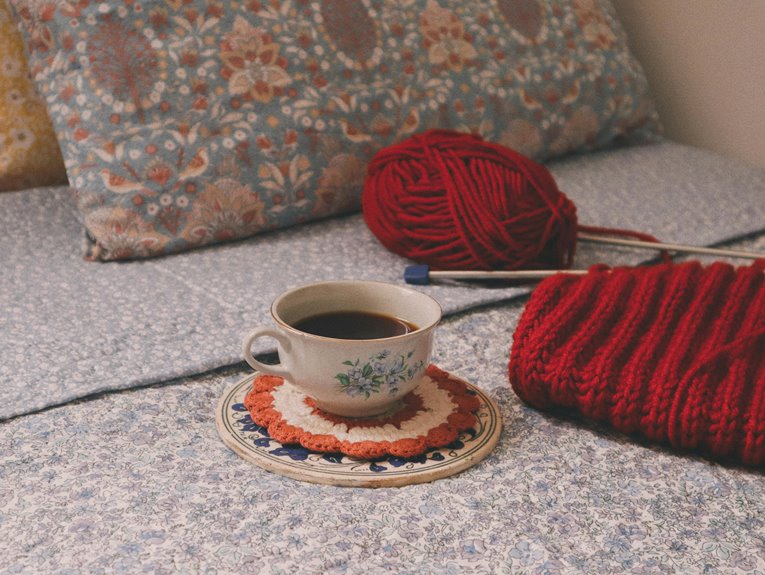
When exploring knitted fabrics from China, you’ll find a rich blend of traditional handcraft and modern innovation. Whether you prefer breathable cotton for comfort, warm wool blends, luxurious silk, or high-performance synthetics, China offers diverse options crafted with care and advanced technology. You’ll also see eco-friendly choices like bamboo fabrics. Each type brings unique textures and uses, reflecting both heritage and cutting-edge manufacturing. Keep following to uncover more about their fashion impact and production methods.
Key Takeaways
- China offers diverse knitted fabrics including cotton, wool blends, silk, synthetic fibers, and eco-friendly bamboo materials.
- Traditional hand-knitting techniques in China preserve cultural heritage and produce intricate, symbolic fabric patterns.
- Modern Chinese factories use computerized knitting machines to create high-quality, consistent fabrics efficiently.
- Cotton knits are favored for comfort and breathability, while wool blends provide warmth and durability in Chinese textiles.
- Silk knitted fabrics from China are renowned for luxury, elegance, and unique weaving techniques like satin and jacquard.
History and Evolution of Knitted Fabrics in China
Although knitting has ancient roots worldwide, its development in China reflects a unique blend of traditional craftsmanship and modern innovation.
When you explore China’s knitting history, you’ll find that early techniques were closely tied to handcrafting traditions passed down through generations. As you trace this evolution, you’ll notice how regional styles influenced fabric patterns and textures, creating distinct aesthetics.
In recent decades, China embraced mechanized knitting, transforming production efficiency without losing artistic heritage. You can see this balance in the way modern factories incorporate high-tech machinery alongside skilled artisans, ensuring quality and creativity coexist.
Understanding this journey helps you appreciate how China’s knitted fabrics blend time-honored skills with cutting-edge technology, making them stand out in the global textile market today.
Cotton Knitted Fabrics: Comfort and Breathability
China’s blend of traditional knitting and modern machinery has paved the way for a wide variety of fabric types, with cotton knitted fabrics standing out for their comfort and breathability.
When you choose cotton knits, you’re opting for a natural fiber that feels soft against your skin and allows air to circulate freely. This breathability helps regulate your body temperature, keeping you cool when it’s warm and comfortable throughout the day.
Cotton’s moisture-wicking properties also prevent sweat buildup, making it ideal for casual wear and active lifestyles. Plus, these fabrics are easy to care for and durable enough to handle regular washing without losing their shape or softness.
Whether you’re dressing for comfort or style, cotton knitted fabrics from China offer a reliable and versatile choice.
Wool and Wool Blend Knits: Warmth and Durability
When you choose wool and wool blend knits, you’re getting fabrics that offer excellent warmth without sacrificing durability.
These blends combine the best of both fibers, making your garments last longer and stay cozy.
Let’s explore how these fabrics from China deliver on both comfort and strength.
Wool Blend Benefits
Because wool naturally retains heat while allowing breathability, wool blend knits offer you unmatched warmth without overheating.
When combined with fibers like cotton, polyester, or acrylic, these blends enhance comfort and functionality. You’ll find that wool blends are softer against your skin, reducing itchiness often associated with pure wool.
They also resist wrinkles and shrinkage better, making your garments easier to care for. Plus, the added fibers improve moisture-wicking, keeping you dry during physical activities or fluctuating temperatures.
Wool blends often cost less than 100% wool but still provide excellent insulation.
With these benefits, wool blend knits perfectly balance natural warmth and practicality, making them a smart choice for versatile, long-lasting clothing in various climates.
Durability and Warmth
Although wool and wool blend knits feel soft and comfortable, they’re also incredibly durable and warm, making them ideal for everyday wear. When you choose these fabrics, you get excellent insulation that keeps you cozy even in chilly weather.
Their natural fibers trap heat efficiently while allowing breathability, so you won’t overheat. Plus, wool’s resilience means your garments resist stretching and wear, maintaining shape over time.
Wool blends enhance durability by combining the strengths of different fibers, making them less prone to pilling or tearing. Whether you’re dressing for work or outdoor activities, these knits offer reliable warmth without sacrificing comfort.
You’ll appreciate how they balance toughness with softness, ensuring long-lasting use and steady performance in various conditions.
Silk Knitted Fabrics: Luxury and Elegance
When you work with silk knitted fabrics, you’ll notice their smooth texture and natural sheen set them apart.
You’ll also appreciate the unique weaving techniques that enhance silk’s strength and flexibility.
These qualities make silk knits a top choice for elegant fashion pieces that combine luxury with comfort.
Silk Fiber Characteristics
If you’ve ever touched silk knitted fabrics, you know they offer a unique blend of softness and strength that sets them apart.
Silk fibers are natural protein fibers produced by silkworms, giving them a smooth, lustrous surface that feels gentle against your skin. Their triangular cross-section helps reflect light, creating that signature sheen you appreciate.
Despite their delicate appearance, silk fibers are surprisingly strong and elastic, allowing knitted fabrics to maintain shape and durability. They also breathe well, wicking moisture away to keep you comfortable.
Plus, silk resists wrinkles, so your garments look polished longer. When you choose silk knitted fabrics, you’re selecting a material that combines elegance with performance, making it ideal for luxurious, long-lasting apparel.
Weaving Techniques Overview
You’ll find that mastering just a few key weaving techniques can transform silk knitted fabrics into stunning pieces of luxury and elegance.
In China, artisans often use methods like satin weave, which enhances silk’s natural sheen and smoothness. Combining warp and weft threads carefully, they create a fabric with a glossy surface and strong texture.
Another popular technique is jacquard weaving, allowing intricate patterns to emerge directly in the fabric, elevating its visual appeal.
You’ll also notice dobby weaving, which introduces small geometric designs, adding subtle sophistication.
By controlling tension and thread density, craftsmen bring out silk’s softness while maintaining durability.
These techniques highlight silk’s unique qualities, making each fabric a refined work of art you can appreciate through touch and sight.
Applications in Fashion
Although silk knitted fabrics boast delicate textures and exquisite craftsmanship, their true value shines in fashion applications where luxury and elegance matter most. When you choose silk knits, you elevate your designs with fabric that drapes beautifully and feels soft against the skin. Designers often use these fabrics for evening gowns, scarves, and high-end lingerie because they combine comfort with sophistication.
Here’s a quick look at how silk knitted fabrics stand out in fashion:
| Feature | Benefit | Common Use |
|---|---|---|
| Soft, smooth feel | Comfort and luxury | Evening wear |
| Natural sheen | Visual elegance | Scarves and shawls |
| Lightweight | Drapability and style | Lingerie and blouses |
You’ll find silk knits enhance any fashion piece with timeless appeal.
Synthetic Fiber Knits: Innovation and Performance
When exploring synthetic fiber knits, you’ll find they combine cutting-edge technology with versatile performance features that meet diverse consumer needs.
These knits, made from materials like polyester, nylon, and spandex, offer exceptional durability, stretch, and moisture-wicking properties. Whether you’re looking for activewear that keeps you dry or fashion pieces that hold shape and color, synthetic knits deliver consistently.
China’s manufacturers integrate advanced spinning and knitting techniques, ensuring high-quality fabrics that balance comfort and function. You’ll appreciate how these fabrics resist wrinkles, dry quickly, and maintain strength after repeated use.
Plus, they often incorporate innovations like anti-odor and UV protection finishes, enhancing wearability. Choosing synthetic fiber knits means opting for fabrics designed to perform in both everyday and specialized settings, perfectly aligning with modern lifestyle demands.
Bamboo and Eco-friendly Knitted Fabrics
Synthetic fiber knits offer impressive performance, but if you’re seeking sustainability alongside functionality, bamboo and eco-friendly knitted fabrics provide a compelling alternative.
When you choose bamboo knits from China, you’re getting a fabric that’s naturally breathable, moisture-wicking, and antibacterial. Bamboo grows quickly without pesticides, making it an eco-conscious choice.
These fabrics also feel incredibly soft against your skin, perfect for sensitive types. Plus, the manufacturing processes in China have advanced to minimize environmental impact, ensuring your purchase supports greener practices.
Traditional Hand-Knitting Techniques in China
If you appreciate craftsmanship, you’ll find traditional hand-knitting techniques in China both fascinating and inspiring. These methods have been passed down through generations, often within families, preserving cultural heritage.
You’ll notice artisans using simple tools like bamboo needles to create intricate patterns that tell stories or symbolize local beliefs. The process is slow but deliberate, allowing each stitch to reflect skill and patience.
When you watch these knitters, you see their deep connection to the material and tradition. They often work with natural fibers, enhancing the fabric’s texture and durability.
Modern Manufacturing Processes for Knitted Fabrics
Although traditional hand-knitting techniques hold cultural value, modern manufacturing processes have revolutionized how knitted fabrics are produced in China. You’ll find that factories use computerized knitting machines, which boost speed and precision. These machines handle various yarn types and create complex patterns efficiently. Automation reduces labor costs and enhances consistency, so quality remains high across large batches.
Here’s a quick comparison of key processes:
| Process | Speed | Complexity |
|---|---|---|
| Hand-Knitting | Slow | Limited |
| Mechanical Knitting | Fast | Moderate |
| Computerized Knitting | Very Fast | Highly Complex |
Popular Applications of Chinese Knitted Fabrics in Fashion
You’ll find Chinese knitted fabrics at the heart of many trendy apparel designs, offering both style and comfort.
They adapt well to seasonal fabric choices, keeping you cozy in winter and cool in summer.
Plus, with growing focus on sustainable fashion, these fabrics are becoming a popular eco-friendly option.
Trendy Apparel Designs
When you explore the latest trends in fashion, Chinese knitted fabrics stand out for their versatility and style. You’ll find them featured in chic sweaters, elegant dresses, and sporty activewear, perfectly blending comfort with contemporary design.
These fabrics allow designers to experiment with textures and patterns, creating unique pieces that suit both casual and formal occasions. Whether you’re looking for breathable cotton blends or sleek synthetic knits, Chinese textiles deliver quality and innovation.
You can easily incorporate these fabrics into your wardrobe for a modern, stylish look. Their adaptability means you’ll see them in everything from cozy oversized cardigans to fitted, fashion-forward tops.
Embracing these trendy apparel designs lets you stay ahead in fashion while enjoying the superior craftsmanship China’s knitted fabrics offer.
Seasonal Fabric Choices
Chinese knitted fabrics adapt seamlessly to all four seasons, making them a favorite among fashion designers and consumers alike.
When it’s chilly, you’ll find cozy wool blends and thick cotton knits perfect for layering. As temperatures rise, lightweight, breathable fabrics like bamboo and fine cotton emerge, keeping you cool without sacrificing style.
During changing months, versatile mid-weight knits offer just the right balance between warmth and comfort. You can easily spot these fabrics in sweaters, cardigans, and dresses designed to fit seasonal needs.
Plus, their natural stretch and durability mean your clothes move with you, season after season. By choosing Chinese knitted fabrics, you’re investing in adaptable, comfortable clothing that suits any weather condition effortlessly.
Sustainable Fashion Use
The versatility and durability of knitted fabrics from China make them a natural fit for sustainable fashion. When you choose these fabrics, you’re investing in materials that last longer, reducing waste.
Chinese manufacturers often use eco-friendly fibers like organic cotton and recycled polyester, which minimizes environmental impact. You’ll find these fabrics in popular sustainable clothing items such as organic tees, eco-conscious activewear, and timeless knit sweaters.
Their breathable and flexible nature guarantees comfort without sacrificing style, encouraging you to wear pieces repeatedly. Plus, many producers implement energy-efficient processes, further supporting your green choices.
Global Market Impact of Chinese Knitted Fabric Exports
Because global demand for affordable, high-quality textiles keeps rising, China’s knitted fabric exports have considerably shaped the international market.
When you source knitted fabrics from China, you tap into a vast network that offers competitive prices without sacrificing quality. This advantage allows your business to stay ahead in a crowded marketplace.
Chinese manufacturers have invested heavily in technology and skilled labor, ensuring consistent product standards that meet global expectations. As a result, you benefit from shorter lead times and diverse fabric options.
Advanced technology and skilled labor in China guarantee high-quality fabrics with faster delivery and variety.
Plus, China’s extensive logistics infrastructure means your orders arrive promptly, supporting your supply chain efficiency.
Frequently Asked Questions
How Do Care Instructions Vary Among Different Knitted Fabrics?
You’ll find care instructions vary based on fiber type and fabric weight; delicate knits need gentle washing and air drying, while sturdier ones tolerate machine cycles. Always check labels to avoid shrinking or damaging your garment.
What Are Common Dyeing Techniques Used for Chinese Knitted Fabrics?
You’ll often see tie-dye, vat dyeing, and reactive dyeing used for knitted fabrics. These techniques give vibrant colors and good fastness, ensuring the fabric stays bright and durable even after multiple washes.
Are There Specific Knitting Patterns Unique to Certain Chinese Regions?
Yes, you’ll find unique knitting patterns tied to specific Chinese regions, often reflecting local culture and traditions. These patterns use distinct stitches and motifs, making each area’s knitted fabric truly special and recognizable.
How Does Climate Influence Fabric Choice in China’S Knitting Industry?
Like a chameleon adjusts its colors, you’ll find Chinese knitters pick fabrics based on climate—using heavier wools in chilly north regions and lighter cottons or silks in warmer south areas to keep comfort balanced.
What Certifications Ensure the Quality of Chinese Knitted Fabrics?
You’ll want to look for certifications like OEKO-TEX Standard 100, GRS (Global Recycled Standard), and ISO 9001 to guarantee Chinese knitted fabrics meet high-quality, safety, and environmental standards before buying or importing.