
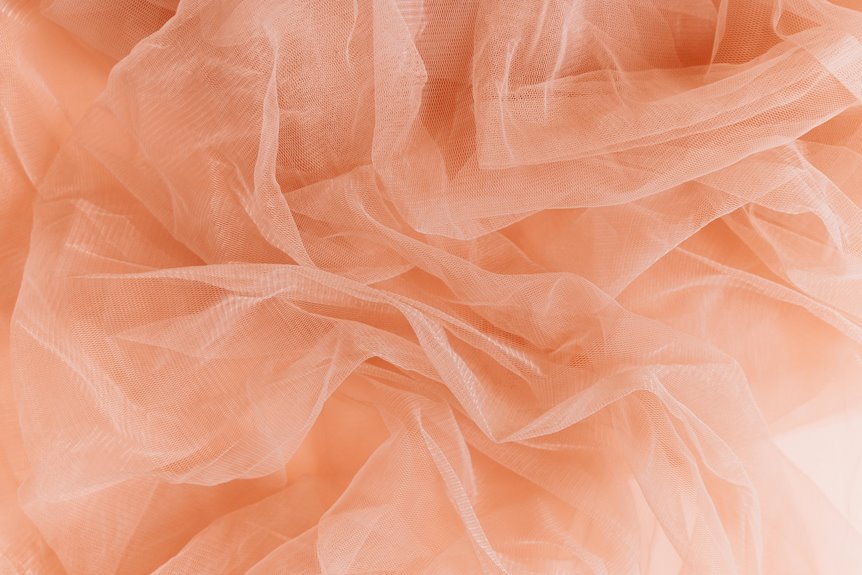
You’ll love gauze wool for its lightweight, breathable feel and soft texture that’s gentle on your skin. It offers natural warmth without bulk, making it perfect for layering and everyday wear. This airy fabric dries quickly and keeps you comfortable across various climates. Its unique open-weave structure combines durability with a cozy touch. If you want to discover how gauze wool’s history, care, and modern uses enhance its appeal, keep exploring.
Key Takeaways
- Gauze wool is lightweight and breathable, allowing excellent airflow while maintaining warmth without bulk.
- Its soft, airy texture makes it gentle on sensitive skin and ideal for delicate uses.
- The open weave structure ensures quick drying and moisture-wicking properties to prevent dampness.
- Natural insulation and durability combine to provide comfort and longevity in various climates.
- Advanced weaving and finishing techniques enhance softness, strength, and temperature regulation.
What Is Gauze Wool?
Gauze wool is a lightweight, loosely woven fabric known for its breathability and softness. When you handle gauze wool, you’ll notice its airy texture, which allows air to flow freely, keeping you comfortable in various climates.
Unlike dense wool fabrics, gauze wool feels gentle against your skin, making it ideal for sensitive or delicate uses. Its open weave structure also means it dries quickly, so you won’t have to worry about dampness or heavy layers.
You can find gauze wool in scarves, wraps, and lightweight garments that require both warmth and ventilation. By choosing gauze wool, you get a fabric that balances insulation with airflow, providing comfort and versatility without feeling bulky or restrictive.
The History and Origin of Gauze Wool
Although its delicate texture might make it seem like a modern invention, gauze wool has roots that stretch back centuries. You’ll find its origins tied to ancient weaving techniques developed in regions where wool was abundant.
Early artisans aimed to create lightweight, breathable fabrics ideal for warmer climates, leading to the loose, open weave characteristic of gauze wool. Over time, this fabric gained popularity for its unique combination of softness and airiness, used in garments requiring comfort without heaviness.
As trade routes expanded, gauze wool spread across cultures, each adapting it slightly to fit local needs. Understanding this history helps you appreciate how gauze wool evolved into the luxurious, versatile material you encounter today.
How Gauze Wool Is Manufactured
When you look at how gauze wool is made, it starts with carefully selecting the right wool fibers for quality and texture.
Then, specific weaving techniques create the fabric’s light, airy structure.
Finally, finishing treatments enhance softness and durability to give gauze wool its unique feel.
Wool Selection Process
Before the wool reaches the weaving stage, you need to carefully select fibers based on their fineness, length, and cleanliness. Choosing fine, long fibers guarantees the gauze wool will be soft, lightweight, and strong.
You’ll inspect the wool to remove any coarse or damaged strands that could weaken the final fabric. Cleanliness is vital, so washing and scouring remove dirt, grease, and impurities.
Once sorted, you separate the fibers by grade to maintain consistency throughout the fabric. This meticulous selection process directly influences the delicate texture and breathability that make gauze wool unique.
Weaving Techniques Used
Creating gauze wool involves carefully chosen weaving techniques that give the fabric its characteristic lightness and breathability.
You’ll find that gauze wool uses an open weave structure, often plain or leno weave, which spaces yarns apart to create a loose, airy texture. This technique allows air flow freely, enhancing the fabric’s breathability without sacrificing strength.
When weaving, the warp and weft yarns are deliberately less tightly packed than in traditional wool fabrics, giving gauze wool its distinctive gauzy appearance.
You’ll also notice that skilled artisans handle the yarn tension carefully to maintain evenness and prevent distortion. This method guarantees the fabric remains soft and lightweight, perfect for layering or delicate garments where comfort and ventilation matter most.
Finishing and Treatment
Although weaving sets the foundation, finishing and treatment truly define gauze wool’s final texture and durability.
When you handle gauze wool, you’ll notice its softness and resilience come from careful processes like fulling, where gentle moisture and heat shrink and thicken the fabric.
You’ll also find it often undergoes brushing, which lifts fibers to create that airy, lightweight feel.
To boost durability and reduce shrinkage, manufacturers apply treatments such as steaming and pressing, which set the fabric’s shape and smoothness.
Sometimes, you’ll see gauze wool treated with natural finishes to improve moisture-wicking and breathability, making it comfortable in various climates.
These finishing touches guarantee that gauze wool isn’t just delicate-looking but functional and long-lasting for your use.
Key Characteristics of Gauze Wool Fabric
You’ll notice gauze wool fabric feels incredibly lightweight and breathable, making it perfect for layering.
Its softness provides comfort against your skin, while the natural insulation keeps you cozy without overheating.
Let’s explore these key traits so you can understand why gauze wool stands out.
Lightweight and Breathable Texture
Because gauze wool fabric features an open weave, it feels incredibly lightweight and allows air to pass through easily. When you wear it, you’ll notice how it keeps you cool without sacrificing coverage.
This breathable texture makes gauze wool ideal for layering or warmer weather. You’ll appreciate its ability to wick moisture and reduce overheating. Plus, its airy construction means it dries quickly, so you stay comfortable all day.
Here’s what you get with gauze wool’s lightweight, breathable texture:
- Enhanced airflow that prevents stuffiness
- Reduced moisture buildup for a fresh feel
- Easy layering without bulkiness
- Quick drying after exposure to sweat or rain
You’ll find gauze wool fabric perfect when you want comfort and breathability combined.
Softness and Insulation Benefits
Beyond its breathable nature, gauze wool also offers remarkable softness and insulation that enhance your comfort.
When you wear gauze wool, you’ll notice how gentle it feels against your skin, making it perfect for sensitive skin types. The fabric’s unique weave traps air efficiently, providing excellent insulation without adding bulk. This means you stay warm on chilly days while avoiding overheating.
You can rely on gauze wool to regulate your body temperature naturally, keeping you cozy indoors or outdoors. Its softness combined with thermal properties makes it ideal for layering or standalone garments.
Comparing Gauze Wool to Other Wool Types
While gauze wool shares the natural warmth and breathability found in other wool types, it stands out due to its lightweight, airy weave that offers unique comfort.
When you compare gauze wool to traditional wools like merino or cashmere, you’ll notice its distinct texture and drape. It feels less dense but still traps warmth effectively, making it perfect for layering without bulk.
Unlike the thick, heavy feel of some wool fabrics, gauze wool lets your skin breathe, reducing overheating.
Here’s how gauze wool stacks up against others:
- Lighter weight than typical wool fabrics
- More breathable due to loose weave
- Softer texture that’s less itchy
- Dries faster after washing
This makes gauze wool a versatile choice for many climates.
Benefits of Wearing Gauze Wool
Choosing gauze wool means you get a fabric that balances warmth and breathability, making it comfortable in various conditions.
When you wear gauze wool, you benefit from its lightweight nature, which keeps you cozy without overheating. Its loose weave allows air to circulate, helping you stay dry by wicking moisture away from your skin.
Gauze wool’s lightweight, breathable weave keeps you warm and dry without overheating.
You’ll also appreciate its softness, which reduces itchiness often associated with traditional wool. Additionally, gauze wool’s durability means your clothing lasts longer, resisting wear and tear.
Thanks to its natural fibers, it’s hypoallergenic and eco-friendly, supporting sustainable choices.
Common Uses and Applications of Gauze Wool
Because gauze wool combines softness, breathability, and durability, it’s a popular choice across various applications.
You’ll find it suits both everyday wear and specialized uses. Its lightweight nature keeps you comfortable, while the fabric’s resilience guarantees it lasts.
You can use gauze wool for:
- Lightweight scarves and shawls that feel gentle on your skin
- Summer sweaters offering breathability without sacrificing warmth
- Baby clothing to keep delicate skin cozy and irritation-free
- Home textiles like breathable blankets or decorative throws
Caring for Gauze Wool Garments
Gauze wool’s unique blend of softness and durability means it deserves proper care to maintain its qualities over time.
When you clean gauze wool garments, always choose a gentle cycle with cold water or hand wash them to avoid shrinking or damaging the fibers. Use mild wool detergents that preserve the fabric’s texture and natural properties.
Avoid wringing or twisting; instead, gently press out excess water and lay the garment flat on a clean towel to dry. Keep gauze wool away from direct heat and sunlight to prevent fading.
Store your garments in a cool, dry place, preferably folded to avoid stretching.
Trends and Innovations in Gauze Wool Textiles
As the demand for sustainable and comfortable fabrics grows, innovations in wool textiles have taken a fresh direction with gauze wool.
You’ll find designers and manufacturers pushing boundaries to enhance its appeal and functionality. New techniques focus on eco-friendly production, softness, and versatility, making gauze wool an exciting choice.
Here are some trends and innovations you should know about:
- Blended fibers: Combining gauze wool with organic cotton or silk for added texture and durability.
- Advanced dyeing methods: Using natural dyes that preserve the fabric’s breathability and softness.
- Lightweight layering: Creating ultra-light gauze wool garments perfect for changing seasons.
- Smart textiles: Integrating moisture-wicking and temperature-regulating properties without compromising comfort.
These developments make gauze wool increasingly attractive for sustainable fashion enthusiasts like you.
Frequently Asked Questions
Can Gauze Wool Fabric Be Recycled or Is It Biodegradable?
You can recycle gauze wool fabric through specialized textile recycling programs, and it’s biodegradable since it’s natural wool. Just make sure to check local guidelines for recycling options and composting to reduce environmental impact effectively.
What Environmental Conditions Affect Gauze Wool’s Durability?
Imagine a delicate spiderweb in rain—gauze wool’s durability drops with moisture, UV exposure, and heat. You’ll find dampness weakens fibers, while sunlight and warmth can cause fading and brittleness over time, so protect it accordingly.
Are There Any Allergy Concerns Specific to Gauze Wool?
You might experience allergies if you’re sensitive to lanolin in gauze wool. It can cause itching or irritation, so testing a small patch first helps. Washing the fabric thoroughly reduces allergenic residues for safer use.
How Does Gauze Wool Perform in Extreme Weather Conditions?
Picture biting cold winds and scorching sun—gauze wool keeps you cozy and cool. Its lightweight fibers breathe well, wick moisture, and insulate, so you won’t feel clammy or chilled, no matter how extreme the weather gets.
Can Gauze Wool Be Blended With Synthetic Fibers Effectively?
Yes, you can blend gauze wool with synthetic fibers effectively. Doing so enhances durability, moisture-wicking, and stretch while maintaining softness. This blend suits activewear and outdoor gear, giving you both comfort and performance.