
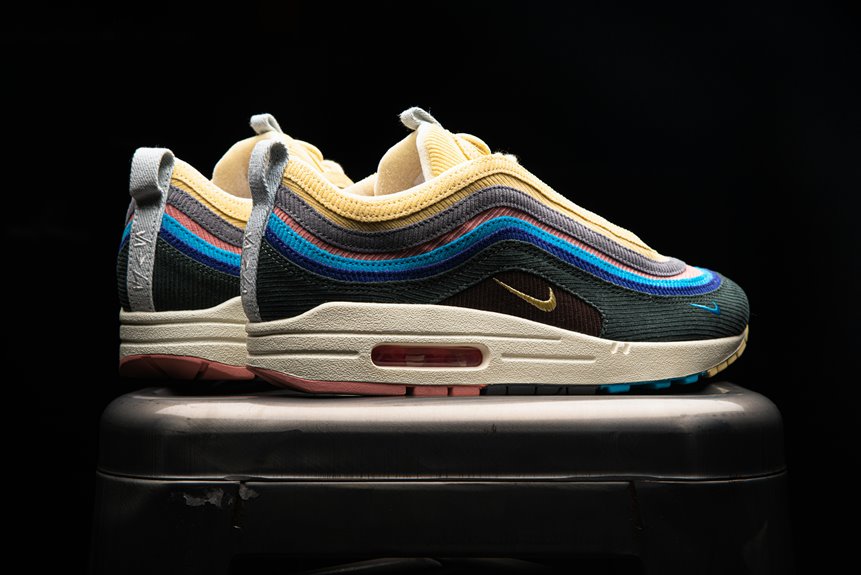
You’ll find corduroy feels like a soft, resilient embrace—a thin layer cushioning your skin with warmth and gentle texture. Its distinctive parallel ridges add cozy depth and durability, molding comfortably to your body while offering breathability. Whether worn as vintage pants or modern jackets, it blends classic style and lasting comfort. Caring for it properly keeps that softness going strong. Stick around, and you’ll uncover how corduroy balances comfort, fashion, and sustainability year-round.
Key Takeaways
- Corduroy’s parallel ridges create a soft, plush texture that feels cozy and inviting against the skin.
- The fabric balances warmth and breathability, making it comfortable for varied temperatures and seasons.
- Its gentle ribs reduce friction, enhancing comfort during prolonged wear.
- Corduroy molds slightly to the body, providing a snug, cozy sensation without restricting movement.
- Durable yet soft, corduroy maintains comfort and texture over time, making it a reliable layering fabric.
The History and Origins of Corduroy
Although corduroy feels timeless, it actually has a rich history dating back centuries.
When you wear corduroy, you’re connecting with a fabric that first appeared in ancient Egypt and later evolved in Europe. Originally, it was prized for its durability and warmth, making it ideal for laborers and outdoor workers.
By the 18th century, corduroy became popular in England, where it was known as “corded velveteen.” You’ll find that over time, it shifted from practical workwear to a fashionable choice embraced by all social classes.
Today, when you slip into corduroy, you’re experiencing a piece of textile history that blends functionality with style, proving that this fabric’s appeal is as enduring as its origins.
Understanding the Unique Texture of Corduroy
Beyond its rich history, corduroy stands out because of its distinctive texture, which sets it apart from other fabrics.
When you run your fingers over corduroy, you’ll notice the parallel ridges, called wales, that create a tactile pattern. These wales are formed by twisted fibers woven into the fabric, giving corduroy its signature raised lines.
Running your fingers over corduroy reveals parallel ridges, or wales, woven from twisted fibers.
The spacing and thickness of these wales vary, influencing the fabric’s look and feel. You might find fine-wale corduroy with narrow ridges or wider-wale versions that feel chunkier.
This unique texture not only adds visual depth but also provides a subtle grip and warmth. By understanding these details, you’ll appreciate what makes corduroy a fabric that’s both interesting to touch and versatile in style.
Why Corduroy Feels So Comfortable Against the Skin
You’ll notice corduroy feels incredibly soft and inviting against your skin, thanks to its unique texture.
It balances breathability with warmth, keeping you comfortable in various conditions.
Plus, it’s durable without losing its gentle touch, making it a reliable choice for everyday wear.
Soft Texture Benefits
The soft ribs of corduroy create a gentle, plush surface that feels inviting against your skin. When you touch corduroy, you notice its unique texture—raised ridges woven tightly together, offering a subtle cushion.
This softness reduces friction, so the fabric doesn’t irritate or scratch even during extended wear. You’ll also appreciate how its texture molds slightly to your body, creating a cozy, comforting sensation.
Unlike rougher materials, corduroy’s tactile quality provides a soothing, warm touch without being overwhelming. This makes it perfect for everyday use, especially when you want clothes that feel as good as they look.
The fabric’s softness isn’t just a detail—it’s a key reason corduroy quickly becomes your favorite layer.
Breathability and Warmth
While corduroy’s soft texture invites you to touch and wear it, its breathability and warmth play a big role in how comfortable it feels against your skin throughout the day.
The fabric’s unique ridged structure allows air to flow between the raised cords, preventing overheating and keeping you dry. At the same time, the thick pile traps heat, providing cozy warmth without making you feel suffocated.
This balance means you stay comfortable whether you’re moving around or relaxing. You’ll notice corduroy adapts well to changing temperatures, offering insulation on chilly days without sacrificing airflow.
Durable Yet Gentle
Because corduroy combines strength with softness, it feels surprisingly gentle against your skin despite its durability. Its unique weave creates raised ridges, or wales, that cushion your touch while resisting wear and tear. This balance means your corduroy garment stays comfortable over time without becoming rough or stiff.
| Feature | Benefit |
|---|---|
| Cotton fibers | Soft, natural feel |
| Twill weave | Adds strength |
| Raised wales | Cushions skin contact |
| Dense construction | Resists damage |
| Brushed finish | Smooths fabric surface |
You get a fabric that’s tough enough for daily use but soft enough to feel like a cozy layer, enhancing comfort every time you wear it.
Corduroy in Fashion: From Vintage to Modern Styles
You’ve probably noticed vintage corduroy making a strong comeback in fashion lately.
Today’s trends mix classic pieces with fresh, modern styles that keep corduroy looking cool and relevant.
Let’s explore how you can style these timeless fabrics to fit your wardrobe perfectly.
Vintage Corduroy Comebacks
As vintage styles regain popularity, corduroy has made a striking comeback in fashion circles. You’ll notice its rich texture and durability bring a retro charm to your wardrobe. Whether it’s jackets, pants, or skirts, corduroy offers a nostalgic feel that fits effortlessly into modern looks. You can mix and match vintage pieces with contemporary ones to create unique outfits that stand out.
| Vintage Era | Popular Items |
|---|---|
| 1960s | Wide-leg pants |
| 1970s | Flared jackets |
| 1980s | Bold-colored suits |
| 1990s | Casual overalls |
| Early 2000s | Corduroy skirts |
Modern Corduroy Trends
While vintage corduroy pieces bring charm to your wardrobe, modern designers have reimagined this classic fabric to fit today’s aesthetics.
You’ll find corduroy in slimmer cuts, bold colors, and unexpected textures, making it more versatile than ever. Instead of just the traditional brown or tan, you can pick vibrant hues like emerald green, deep burgundy, or even pastel shades.
Designers also experiment with wider or finer wales, giving you options that range from subtle to statement-making. Whether it’s a sleek blazer, chic skirt, or tailored trousers, corduroy now blends comfort with contemporary style.
You don’t have to sacrifice modernity for nostalgia—corduroy effortlessly bridges the gap, making it a fabric you can wear confidently in any setting.
Styling Corduroy Pieces
When styling corduroy pieces, consider how their texture and color can elevate your outfit without overwhelming it. Pair a slim-fit corduroy jacket with a simple cotton tee and dark jeans for a balanced look.
If you choose corduroy pants, keep your top light and streamlined to avoid bulk. Don’t hesitate to mix corduroy with softer fabrics like silk or cotton to add contrast.
For colors, earthy tones like rust, olive, and mustard work well, but you can also experiment with bold hues for a modern twist. Accessorize minimally since corduroy already draws attention.
Whether you lean vintage or modern, focus on fit and layering to keep your outfit sharp. This approach helps you embrace corduroy’s unique charm while staying stylish.
Caring for Corduroy: Tips to Maintain Softness and Durability
To keep your corduroy looking and feeling its best, you’ll need to handle it with care during washing and storage. Always wash corduroy inside out in cold water to preserve its texture. Avoid heavy detergents and never use bleach. Hang dry or lay flat to prevent shrinkage and maintain softness. When ironing, use a low setting and press on the reverse side. Store corduroy pieces folded or on padded hangers to avoid creases and crushing the pile.
| Care Step | What to Do | Why It Matters |
|---|---|---|
| Washing | Cold, gentle cycle | Preserves fabric integrity |
| Drying | Air dry, avoid heat | Prevents shrinkage and stiffness |
| Storage | Fold or hang on padded | Maintains shape and softness |
The Versatility of Corduroy in Different Seasons
Because corduroy combines warmth with breathability, you can wear it comfortably throughout the year.
In cooler months, its thick texture keeps you cozy, whether you’re layering a corduroy jacket over a sweater or opting for pants that trap heat without overheating.
When spring or fall arrives, lighter corduroy shirts or skirts offer just enough insulation while allowing air to circulate, preventing you from feeling stuffy.
You can easily pair corduroy with your seasonal wardrobe staples, making it a reliable choice for both chilly mornings and mild afternoons.
Its adaptability means you don’t have to stash it away when the temperature shifts.
Sustainable Aspects of Corduroy Production and Use
Although corduroy is often celebrated for its style and comfort, it also offers surprising sustainability benefits that might make you think twice before choosing other fabrics.
Corduroy combines timeless style and comfort with unexpected sustainability benefits worth considering.
When you opt for corduroy made from organic cotton or recycled fibers, you’re supporting reduced water use and fewer pesticides compared to conventional textiles.
Plus, corduroy’s durability means your clothes last longer, cutting down on waste and frequent replacements.
You’ll also appreciate that many manufacturers now use eco-friendly dyes and energy-saving production methods, further shrinking the fabric’s environmental footprint.
By choosing corduroy, you’re not only embracing a timeless look but also making a conscious decision that benefits the planet.
Frequently Asked Questions
Can Corduroy Cause Allergies or Skin Irritation?
Think of corduroy as a cozy blanket that sometimes hides tiny irritants. You might experience allergies or skin irritation if you’re sensitive to its fibers or dyes. Always check your skin’s reaction when wearing it.
How Does Corduroy Compare to Other Fabrics in Moisture-Wicking?
Corduroy doesn’t wick moisture as well as synthetic fabrics like polyester. It absorbs sweat but dries slowly, so you might feel damp during workouts. For activewear, you’ll want materials designed specifically for moisture management.
Is Corduroy Suitable for Athletic Wear?
Corduroy isn’t ideal for athletic wear since it lacks moisture-wicking and breathability. You’ll feel heavier and less comfortable during workouts. Instead, choose fabrics like polyester or nylon designed to keep you dry and flexible.
What Is the Best Fabric to Pair With Corduroy for Layering?
Oh, you definitely want to pair corduroy with something that screams “lightweight and breathable,” like cotton or linen. They balance corduroy’s thickness, so you won’t overheat while still keeping that cozy layered look.
Can Corduroy Be Recycled or Repurposed Easily?
You can recycle corduroy, but it’s not always easy because of its thick texture and mixed fibers. Repurposing it into patches, bags, or quilts works great, so consider creative DIY projects to give it new life.