
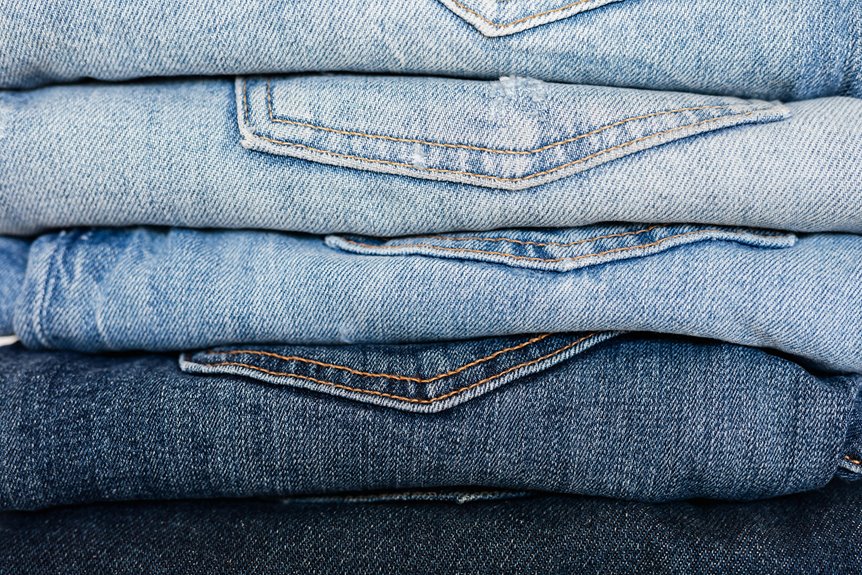
If you’re looking for a fabric that’s both durable and stylish, herringbone cotton twill is a smart choice. Its distinctive zigzag pattern adds texture while hiding wear and stains. You’ll appreciate its soft, breathable feel and resistance to wear, perfect for clothing or home projects. Plus, cotton twill is naturally sustainable and long-lasting. Keep exploring, and you’ll discover tips on care, sewing, and where to find quality fabric for your next project.
Key Takeaways
- Herringbone cotton twill features a distinctive zigzag pattern that enhances fabric strength and durability for long-lasting use.
- The cotton twill weave offers softness, breathability, and excellent resistance to wear, ideal for comfortable, durable clothing.
- This fabric is versatile, commonly used in apparel, accessories, upholstery, and home textiles for both style and function.
- Proper care includes cold washing, gentle detergents, and careful sewing techniques to maintain the fabric’s integrity and appearance.
- Sustainable cotton twill options support eco-friendly practices, and quality herringbone cotton twill is available from reputable fabric retailers.
Understanding the Herringbone Weave Pattern
The herringbone weave pattern creates a distinctive V-shaped design that resembles the bones of a fish, giving the fabric its name. When you look closely, you’ll notice the diagonal lines reverse direction at regular intervals, forming a zigzag effect.
This alternating pattern isn’t just for aesthetics; it adds strength and durability to the fabric by distributing tension evenly. You’ll find this weave in various textiles, especially those needing a balance between flexibility and sturdiness.
The repetitive, symmetrical structure also helps hide minor stains or wear, making it practical for everyday use. Whether you’re choosing fabric for clothing or upholstery, understanding this pattern helps you appreciate how its visual appeal and functional benefits come together seamlessly.
Characteristics of Cotton Twill Fabric
While the herringbone weave pattern shapes the fabric’s unique texture and strength, the choice of material plays an equally important role.
Cotton twill fabric is known for its durability and softness, making it comfortable against your skin. Its diagonal weave not only gives it a distinctive look but also enhances resistance to wear and tear.
You’ll notice cotton twill drapes well, balancing structure with flexibility, which is why it’s favored for both casual and workwear garments. Additionally, cotton’s natural breathability helps regulate temperature, keeping you cool in warm conditions.
You’ll also appreciate that cotton twill’s fibers absorb dyes evenly, resulting in rich, vibrant colors. Overall, cotton twill combines resilience and comfort, making it a practical choice for everyday use.
The History and Origins of Herringbone Cotton Twill
You’ll find that herringbone cotton twill has roots in ancient textile techniques that shaped its distinctive pattern.
Over time, the twill weave evolved, gaining cultural significance and practical uses across different societies.
Let’s explore how this fabric’s history influences its style and function today.
Ancient Textile Techniques
Although you mightn’t realize it, herringbone cotton twill traces its roots back thousands of years to ancient weaving traditions.
Early weavers used simple looms and natural fibers to create durable fabrics with distinctive patterns. The herringbone design, resembling fish bones, emerged as a practical way to strengthen fabric by interlacing threads in a zigzag pattern.
You’ll find that these techniques required skillful hand manipulation of warp and weft threads, producing both strength and subtle texture. Ancient artisans valued this method not just for aesthetics but for the fabric’s resilience, perfect for clothing and utilitarian items.
When you appreciate herringbone cotton twill today, you’re connecting with a time-tested craft that’s been refined over centuries, rooted firmly in these early textile innovations.
Evolution of Twill Patterns
Because the herringbone pattern offers both strength and visual appeal, it has evolved considerably over time. You’ll find its origins in ancient weaving, where artisans sought durable fabrics with distinctive designs.
Over centuries, herringbone twill expanded beyond functionality, becoming a symbol of craftsmanship and style.
Here’s how its evolution touches you:
- You appreciate the pattern’s balance of durability and elegance.
- You connect with a textile tradition that spans cultures and eras.
- You experience the tactile comfort of a fabric refined through history.
- You embrace a timeless style that adapts to modern needs without losing authenticity.
Understanding this evolution helps you value herringbone cotton twill beyond its surface beauty.
Cultural Significance and Uses
Herringbone cotton twill carries rich cultural significance that goes beyond its distinctive zigzag pattern. When you wear or use this fabric, you connect with a tradition dating back to ancient civilizations, where the pattern symbolized strength and resilience.
Originating in Europe, especially among Scottish and Irish weavers, herringbone was prized for its durability and stylish appeal. You’ll find it in everything from classic outerwear and tailored suits to home décor, showcasing its versatility.
Its timeless design also reflects a blend of utility and elegance, making it a favorite across cultures and generations. Whether for fashion or function, herringbone cotton twill offers more than looks—it tells a story of craftsmanship and heritage you can wear or live with every day.
How Herringbone Cotton Twill Is Manufactured
When you look closely at cotton twill fabric, you’ll notice its distinctive V-shaped weave pattern that gives it strength and texture.
Herringbone cotton twill is made through a detailed weaving process that creates a zigzag pattern, enhancing durability and visual interest.
Here’s how it’s manufactured:
- Yarn Selection – You start by choosing high-quality cotton yarn for softness and resilience.
- Warping – Next, yarns are aligned lengthwise on the loom, setting the stage for the pattern.
- Weaving – The loom interlaces yarns in a twill weave, alternating directions to form the herringbone design.
- Finishing – Finally, the fabric is washed and pressed, locking in the pattern and improving texture.
This process guarantees you get fabric that’s both tough and stylish.
Advantages of Using Herringbone Cotton Twill
If you want a fabric that combines durability with style, herringbone cotton twill delivers on both fronts. You’ll appreciate its strong weave, which resists wear and tear, making your garments or upholstery last longer.
The distinctive zigzag pattern doesn’t just look great—it also adds texture that helps hide minor stains or wrinkles, keeping your items looking fresh. Plus, this fabric offers excellent breathability and comfort, so you won’t have to sacrifice feel for toughness.
Its versatility means you can easily pair it with different styles and colors. When you choose herringbone cotton twill, you’re investing in a fabric that balances practicality with a unique, timeless aesthetic.
Common Applications for Herringbone Cotton Twill
You’ll find cotton twill with its distinctive herringbone pattern suits a wide range of uses, from fashion to home decor.
When you choose herringbone cotton twill, you’re picking a fabric that blends durability with timeless style.
Here are some common applications that might inspire you:
- Apparel – Jackets, trousers, and skirts that last and look sophisticated.
- Accessories – Hats, bags, and scarves that add texture and warmth.
- Upholstery – Sofas and chairs that benefit from its sturdy, stylish weave.
- Home Textiles – Curtains and cushions that introduce subtle pattern and durability.
This fabric’s versatility means you can confidently use it for projects needing both strength and classic design.
Comparing Herringbone Cotton Twill to Other Fabrics
Although many fabrics offer unique textures and strengths, herringbone cotton twill stands out for its distinctive pattern and durability.
When you compare it to plain cotton, herringbone twill provides a richer texture and greater resistance to wear and tear.
Unlike denim, which can be stiff and heavy, herringbone cotton twill offers a softer feel while maintaining strength, making it more versatile for various clothing styles.
Compared to wool or synthetic fabrics, herringbone cotton twill is breathable and comfortable, especially in warmer conditions.
If you’re looking for a fabric that balances style, durability, and comfort, herringbone cotton twill is hard to beat.
Its unique weave not only adds visual interest but also enhances longevity, setting it apart from many alternatives.
Care and Maintenance Tips for Herringbone Cotton Twill
To keep your herringbone cotton twill looking its best, you’ll want to follow specific washing guidelines that prevent damage and fading.
Handling it with care during storage is just as important to maintain its texture and shape.
Let’s explore the best practices for washing, storing, and handling this fabric.
Washing Guidelines
When caring for herringbone cotton twill, washing it properly preserves its texture and pattern.
You want to keep that classic herringbone look sharp and the fabric feeling soft. Follow these simple steps to guarantee your fabric lasts:
- Wash in cold water to prevent shrinking and color fading.
- Use a gentle cycle to protect the weave’s integrity.
- Choose mild detergent—harsh chemicals can weaken fibers.
- Avoid bleach and fabric softeners; they break down cotton over time.
Storage and Handling
Proper storage and handling play an essential role in maintaining the quality of your herringbone cotton twill.
Always store it in a cool, dry place away from direct sunlight to prevent fading and weakening of fibers. Avoid hanging heavy garments made from this fabric for long periods, as this can distort the shape; instead, fold them neatly.
When handling, keep your hands clean to avoid transferring oils or dirt. If you need to iron, use a medium heat setting while the fabric is slightly damp to preserve its texture.
Finally, protect your fabric from pests by using natural repellents like cedar blocks in your storage area.
Following these steps will keep your herringbone cotton twill looking fresh and durable for years.
Styling Ideas With Herringbone Cotton Twill
Herringbone cotton twill offers versatile styling options that can elevate your wardrobe effortlessly.
Its distinctive pattern adds subtle texture, making it perfect for both casual and formal looks. Whether you want to impress at work or relax on weekends, this fabric adapts to your style.
Here are four ways to style herringbone cotton twill:
Discover four effortless ways to incorporate herringbone cotton twill into your wardrobe for timeless style.
- Pair a herringbone twill blazer with dark jeans for a smart-casual vibe that’s polished yet comfortable.
- Choose a herringbone cotton twill skirt or trousers to bring depth and sophistication to your everyday outfits.
- Layer a herringbone cotton twill shirt under a solid sweater for texture without overwhelming your look.
- Accessorize with a herringbone twill scarf to add a cozy, stylish touch to your outerwear.
These options help you express confidence and timeless style.
Sustainable Aspects of Cotton Twill Fabrics
Although cotton twill fabrics are known for their durability and style, they also offer notable sustainable benefits. When you choose cotton twill, you’re often selecting a natural, biodegradable fiber that breaks down more easily than synthetics.
Many producers now source organic cotton, grown without harmful pesticides or synthetic fertilizers, reducing environmental impact. Additionally, cotton twill’s strength means your garments last longer, cutting down on waste and frequent replacements.
You can also find fabrics made with water-saving and energy-efficient processes, further lessening their ecological footprint. By opting for cotton twill, you support sustainable agriculture and responsible manufacturing practices, making your wardrobe both eco-friendly and practical.
This balance helps you enjoy quality clothing while contributing to a healthier planet.
Where to Buy Quality Herringbone Cotton Twill
If you’re looking for quality herringbone cotton twill, start with trusted online retailers that specialize in premium fabrics.
You can also visit specialty fabric stores where you’ll find expert advice and a hands-on feel for the material.
Both options make it easier to choose the perfect fabric for your project.
Trusted Online Retailers
Where can you find high-quality herringbone cotton twill without leaving your home? Trusted online retailers offer convenience, variety, and reliable quality.
Shopping from these sources guarantees you get authentic fabric with detailed descriptions and customer reviews to guide your choice.
Here are four top online retailers to take into account:
- Fabric.com – Known for extensive fabric selections and competitive prices.
- Mood Fabrics – Offers premium cotton twill with excellent customer service.
- Joann Fabrics – Great for budget-friendly options and frequent discounts.
- Etsy – Perfect for unique, handpicked herringbone cotton twill from independent sellers.
Specialty Fabric Stores
When you want top-tier herringbone cotton twill, specialty fabric stores deliver unmatched quality and expertise.
These stores carefully curate their fabrics, ensuring you get authentic, durable cotton twill with the classic herringbone pattern. When you visit, you can feel the texture, examine the weave closely, and get advice from knowledgeable staff who understand the fabric’s nuances.
Specialty stores often stock a wider range of colors, weights, and finishes than general retailers, so you’ll find exactly what suits your project. Plus, you get personalized service, helping you make informed choices.
If you’re serious about quality and craftsmanship, don’t hesitate to explore local or boutique fabric shops—they’re a reliable source for premium herringbone cotton twill that lasts.
Tips for Working With Herringbone Cotton Twill in Sewing Projects
Although herringbone cotton twill offers durability and a distinctive pattern, you’ll want to handle it carefully to maintain its texture and appearance. This fabric’s weave can shift if you’re not precise, so take your time.
- Prewash the fabric to prevent shrinking and preserve its look.
- Use sharp scissors or a rotary cutter to get clean edges without fraying.
- Sew with a slightly longer stitch length to avoid puckering and maintain fabric strength.
- Press seams gently with a warm iron, using a pressing cloth to protect the weave’s texture.
Frequently Asked Questions
Can Herringbone Cotton Twill Be Used for Outdoor Gear?
You can definitely use herringbone cotton twill for outdoor gear since it’s strong and durable. It resists wear and tear well, but you might want to treat it for water resistance before heavy outdoor use.
Is Herringbone Cotton Twill Hypoallergenic?
Think of herringbone cotton twill as a gentle hug—it’s naturally hypoallergenic, so you won’t have to worry about irritation. Its breathable cotton fibers keep your skin comfortable and itch-free during wear or outdoor adventures.
How Does Herringbone Cotton Twill Perform in Extreme Weather?
You’ll find herringbone cotton twill breathes well in heat and retains warmth when it’s cold, but it’s not ideal for heavy rain or extreme moisture since it absorbs water and dries slower than synthetic fabrics.
Can Herringbone Cotton Twill Be Recycled or Upcycled?
Like a trusty old friend, herringbone cotton twill can definitely be recycled or upcycled. You can transform it into new garments or home decor, giving it a second life while reducing waste and staying stylishly sustainable.
Does Herringbone Cotton Twill Shrink After Washing?
Yes, herringbone cotton twill can shrink after washing, especially if you use hot water or high heat drying. To avoid this, wash it in cold water and air dry or use a low heat setting.