
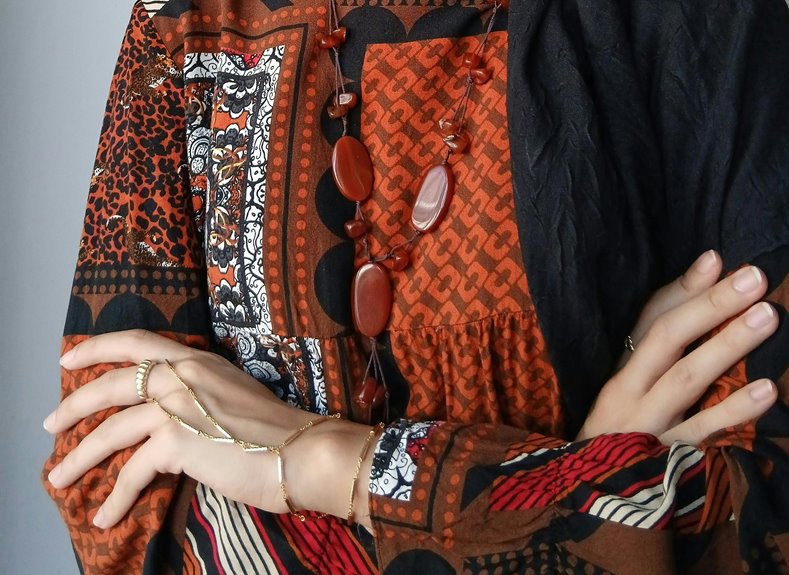
You’ll find 60’s corduroy effortlessly blends vintage charm with lasting style, known for its wide ribs, thick cotton texture, and warm earthy tones like mustard and burnt orange. It was a staple in casual, individualistic fashion, standing out with its soft yet sturdy feel. Now making a comeback on runways, corduroy offers both practical warmth and eco-friendly benefits. Keep exploring to discover how this timeless fabric fits perfectly into today’s wardrobe.
Key Takeaways
- Corduroy’s distinctive wide ribs and rich earthy tones defined 60s casual yet stylish fashion across various garments.
- The fabric’s soft, sturdy cotton with longer pile provided warmth and comfort, ideal for everyday wear.
- Corduroy symbolized 60s individualism and rebellion, pairing well with bell-bottoms and psychedelic prints.
- Contemporary fashion revives corduroy with sustainable fibers, bold colors, and versatile designs like blazers and trousers.
- Its durability and insulating properties make corduroy a practical, eco-friendly choice for timeless style.
The Origins and Popularity of Corduroy in the 1960s
Although corduroy dates back centuries, it truly gained widespread popularity in the 1960s when designers and consumers embraced its unique texture and durability.
You’ll find that during this era, corduroy became a symbol of casual yet stylish fashion. You could spot people from all walks of life sporting corduroy trousers, jackets, and skirts, appreciating how the fabric combined comfort with resilience.
It wasn’t just about function; corduroy added a distinctive look that stood out from other materials. As you explore 60s fashion, you’ll notice corduroy’s rise aligned with a broader cultural shift toward more relaxed and individualistic styles.
Once you try incorporating corduroy into your wardrobe, you’ll understand why it became such a beloved fabric back then—and why it still appeals today.
Distinctive Features of 60’s Corduroy Fabric
When you look closely at 60’s corduroy fabric, its distinctive ribbed texture immediately stands out. These ribs, or wales, vary in width but are generally wider than modern corduroy, giving each piece a bold, tactile feel.
The fabric’s durability comes from its thick cotton composition, which made it perfect for everyday wear. You’ll notice that 60’s corduroy often features rich, earthy tones like mustard yellow, burnt orange, and deep browns, reflecting the era’s natural color palette.
Thick cotton corduroy in rich, earthy hues defined durable, everyday 60’s style.
It’s soft yet sturdy, offering comfort without sacrificing structure. The pile height tends to be slightly longer, enhancing its plush appearance.
When you touch it, the fabric’s warmth and depth become clear, capturing the essence of 60’s style in every thread.
Corduroy’s Role in 60’s Fashion Trends
The unique texture and vibrant colors of 60’s corduroy made it a standout choice in the decade’s fashion landscape.
You’ll notice how corduroy became a staple in casual wear, from bell-bottom pants to jackets, adding both comfort and style.
It wasn’t just about the fabric; corduroy’s ridged pattern brought a tactile dimension that caught eyes and invited touch.
You could easily pair corduroy pieces with psychedelic prints or solid colors, making it versatile for the bold spirit of the 60s.
Whether you rocked corduroy skirts or blazers, you embraced a look that was both practical and expressive.
Fundamentally, corduroy helped define the era’s unique blend of rebellion and laid-back charm, giving you a fabric that was as functional as it was fashionable.
The Revival of Corduroy in Contemporary Runways
As designers dig into vintage styles, corduroy has made a striking comeback on contemporary runways. You’ll notice its rich texture and warmth bring depth to modern collections, proving this fabric’s timeless appeal.
Here’s why corduroy stands out today:
- Versatility – It appears in everything from structured blazers to relaxed trousers, adapting to various silhouettes effortlessly.
- Sustainability – Many brands use organic or recycled fibers, aligning with eco-conscious fashion movements you support.
- Color Play – Designers experiment with bold hues and subtle earth tones, giving corduroy fresh visual interest that catches your eye.
When you see corduroy on the runway now, it’s not just nostalgia—it’s a deliberate nod to a fabric that balances heritage with innovation, inviting you to appreciate its renewed relevance.
Styling Tips: Incorporating Corduroy Into Modern Wardrobes
Although corduroy carries a vintage vibe, you can easily update it for a fresh, modern look. Start by mixing corduroy pieces with sleek, contemporary staples—pair a rich brown corduroy jacket with a crisp white tee and slim jeans for effortless style.
Don’t shy away from bold colors; mustard or deep green corduroy pants can add a trendy pop to neutral outfits. For layering, combine a corduroy shirt with lightweight knits or a leather jacket to balance texture and warmth.
Women can try corduroy skirts or trousers with minimalist tops and statement boots to keep things chic yet casual. Remember, fit matters—opt for tailored cuts to avoid bulkiness.
Sustainable and Practical Benefits of Choosing Corduroy
When you choose corduroy, you’re opting for a fabric that blends sustainability with practicality.
Corduroy’s durability means your clothes last longer, reducing waste and frequent replacements. Plus, it’s often made from natural fibers like cotton, which can be sourced sustainably.
Here are three key benefits you’ll appreciate:
- Longevity – Its sturdy weave resists wear and tear, making it ideal for everyday use.
- Eco-friendly sourcing – Many corduroy fabrics come from organic or recycled cotton, minimizing environmental impact.
- Versatility – Corduroy’s insulating properties keep you warm, so you rely less on energy-consuming heating.
Frequently Asked Questions
How Is Corduroy Fabric Manufactured Today Compared to the 1960S?
You’re holding history in your hands—corduroy’s made today with advanced looms, blending synthetic fibers for durability, unlike the all-cotton, slower 1960s process. You get softer, stronger fabric, crafted faster and more sustainably now.
What Are the Best Methods for Cleaning and Maintaining Corduroy Clothing?
You should turn corduroy garments inside out, wash them in cold water on a gentle cycle, and avoid bleach. Air-dry or tumble dry low to maintain texture, and use a soft brush to revive the pile when needed.
Are There Regional Variations in Corduroy Fabric Styles Worldwide?
You’ll find regional variations in corduroy styles, with different wale widths, colors, and patterns reflecting local tastes. European corduroy tends to be finer, while American versions often feature chunkier textures and rugged designs.
How Does Corduroy Fabric Perform in Different Climates?
Imagine wearing corduroy in chilly New York winters—it keeps you warm and cozy. You’ll find it performs best in cooler climates but can feel too heavy and hot in humid, tropical regions, so choose accordingly.
Can Corduroy Be Blended With Other Fabrics for Enhanced Durability?
You can definitely blend corduroy with fabrics like polyester or spandex to boost durability and flexibility. This mix helps your clothes last longer and feel more comfortable, especially if you wear them frequently or in active settings.