
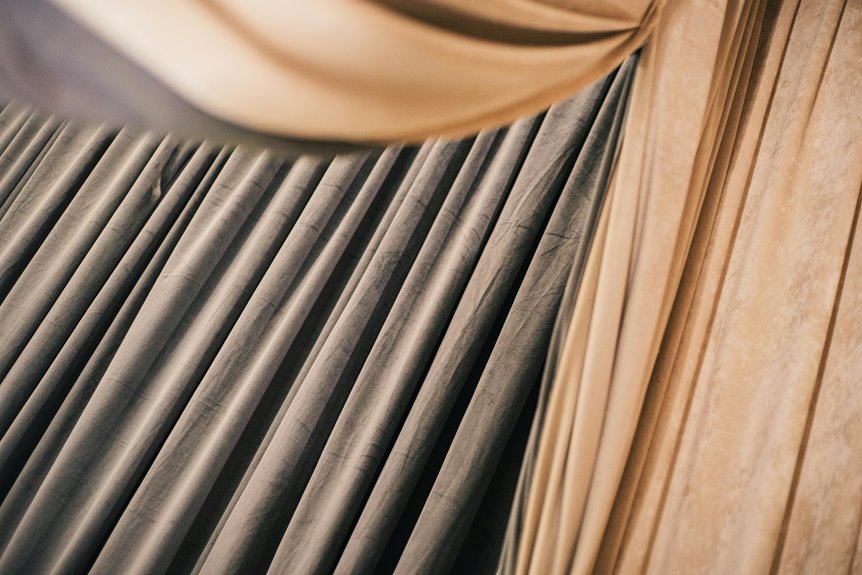
If you’re curious about coconut fabric, you’ll find it combines natural coarseness with surprising softness, offering durability and breathability perfect for warm climates. It’s made by extracting fibers from coconut husks, a sustainable process that minimizes waste and water use. Coconut fabric’s unique texture suits fashion and home decor, from sturdy shoes to cozy pillows. Keep exploring to uncover its rich history, eco benefits, and care tips that make it a standout textile choice.
Key Takeaways
- Coconut fabric features a unique texture blending natural coarseness with softness, offering breathability and durability for warm climates.
- Made by extracting and spinning coir fibers from coconut husks, maintaining fiber integrity for comfortable, long-lasting fabric.
- The fabric’s slightly textured surface adds character without scratchiness, suitable for both fashion and home decor.
- Environmentally friendly, coconut fabric uses renewable husks, requires minimal water, and involves no harmful chemicals in processing.
- Commonly used in lightweight bags, hats, shoes, accessories, and home items like rugs and throw pillows for a rustic, natural appeal.
Origins and History of Coconut Fabric
Although coconut fabric is gaining popularity today, it has deep roots in traditional cultures where people have used coconut fibers for centuries.
You’ll find that communities in tropical regions, especially across Asia and the Pacific Islands, have long harnessed coconut husks for practical textiles. These fibers were woven into mats, ropes, and basic clothing, showcasing a resourceful way to use every part of the coconut.
When you explore coconut fabric’s history, you see it’s not just a trend but a continuation of sustainable practices. Understanding this background helps you appreciate the fabric’s eco-friendly nature and cultural significance.
The Process of Transforming Coconut Husks Into Fabric
When you immerse yourself in the process of transforming coconut husks into fabric, you’ll discover a fascinating blend of traditional methods and modern techniques.
First, you strip the husks from the coconut and soak them to soften the fibers. Then, you mechanically or manually extract the coir—the natural fiber within the husk.
After that, you clean and dry the fibers thoroughly. Once dry, you spin the fibers into yarn, which you can weave or knit into fabric.
Throughout this process, you maintain fiber integrity to guarantee durability and comfort. By combining careful extraction with precise spinning, you create a sustainable fabric that’s both strong and eco-friendly.
This transformation highlights how waste materials can be repurposed into valuable textiles.
Unique Texture Characteristics of Coconut Fabric
Coconut fabric stands out because of its distinctive texture that combines natural coarseness with surprising softness. When you touch it, you’ll notice a subtle roughness reflecting the fibrous origin, yet it feels gentle enough for everyday wear.
This fabric offers excellent breathability due to its loosely woven fibers, making it comfortable in warm climates. You’ll also appreciate its durability; the texture resists wear and tear better than many natural fabrics.
Unlike synthetic materials, coconut fabric maintains a slightly textured surface that adds character without feeling scratchy. This balance of rough and smooth makes it versatile for various uses, from casual clothing to home textiles.
Once you experience its unique texture, you’ll understand why coconut fabric is gaining popularity.
Environmental Benefits of Using Coconut Fibers
Because it comes from a renewable resource, using coconut fibers helps reduce environmental impact considerably. You can feel good knowing these fibers come from coconut husks, a byproduct that’s often discarded. This means less waste and a smarter use of natural materials. Plus, coconut fibers require minimal water and no harmful chemicals during processing, which cuts down pollution.
Here’s a quick look at the environmental benefits:
| Benefit | Explanation | Impact |
|---|---|---|
| Renewable Source | Derived from coconut husks | Reduces resource depletion |
| Waste Reduction | Uses byproducts otherwise wasted | Minimizes landfill waste |
| Low Water Usage | Requires little water in processing | Conserves water resources |
Common Applications in Fashion and Home Decor
Although natural fibers have been popular for ages, coconut fabric stands out for its unique texture and durability. When you choose coconut fabric, you tap into a material that’s both eco-friendly and versatile.
In fashion, it’s perfect for:
- Lightweight summer bags that resist wear and tear.
- Breathable hats with a natural, rustic look.
- Sturdy shoes offering both comfort and style.
- Unique accessories like belts or wallets.
For home decor, coconut fabric adds a warm, organic touch to your space. Use it in throw pillows, rugs, or curtains to bring texture and durability.
Its natural feel complements both modern and rustic décor styles, making your home inviting and environmentally conscious. You’ll love how it balances aesthetics with function.
Care and Maintenance Tips for Coconut Fabric
When you invest in coconut fabric items, knowing how to care for them guarantees they stay durable and attractive over time.
Start by hand-washing your coconut fabric pieces with cold water and mild detergent to prevent damage. Avoid bleach or harsh chemicals, as they can weaken the fibers.
After washing, gently squeeze out excess water without wringing, then air dry flat away from direct sunlight to maintain color and texture. If needed, iron on a low setting with a cloth barrier to prevent scorching.
Store your coconut fabric items in a cool, dry place to avoid moisture buildup, which can cause mildew.
Frequently Asked Questions
Can Coconut Fabric Be Blended With Other Fibers?
You might find it surprising, but you can blend coconut fabric with other fibers like cotton or polyester to enhance durability and texture. You’ll get a unique material that combines natural feel with improved strength and versatility.
Is Coconut Fabric Hypoallergenic?
You’ll find coconut fabric is naturally hypoallergenic, making it great if you have sensitive skin. It resists dust mites and mold, so you won’t have to worry about allergic reactions when using products made from it.
How Does Coconut Fabric Compare in Cost to Cotton?
You might be surprised—coconut fabric often costs more than cotton due to its eco-friendly process and durability. But once you feel its unique texture, you’ll see why many find the extra cost worthwhile.
Are There Any Known Allergens in Coconut Fabric?
You generally won’t find allergens in coconut fabric since it’s natural and hypoallergenic. However, if you’re sensitive to coconut or have skin allergies, it’s smart to test a small patch before full use.
Does Coconut Fabric Have UV Protection Properties?
Coconut fabric naturally offers some UV protection due to its dense fibers, but it’s not as effective as specialized UV-blocking materials. You should still use additional sun protection when wearing it outdoors for extended periods.