
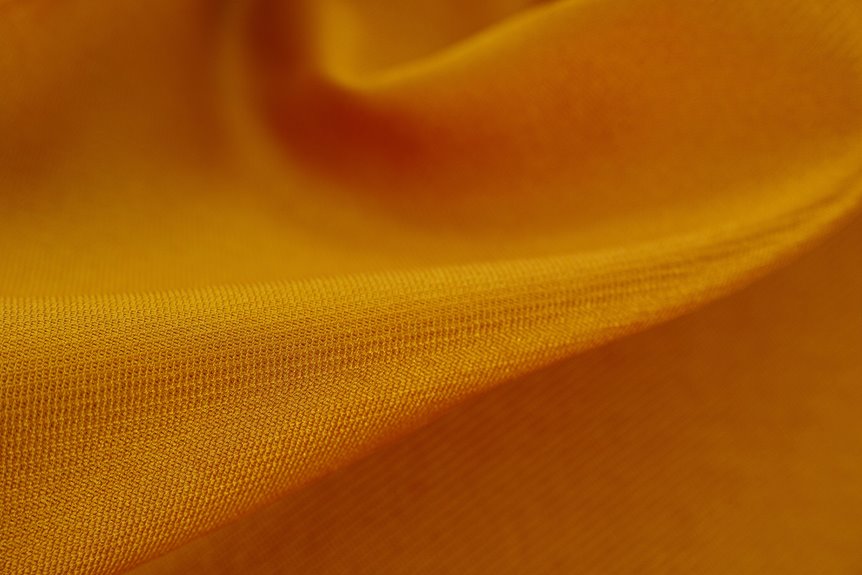
You’ll find polyester suede fabric does offer some stretch, though it’s moderate and depends on how it’s made. If it includes spandex or has a knitted weave, you can expect more flexibility. Pure polyester suede tends to stretch less but still maintains softness and durability. It holds shape well and rebounds better than genuine suede. If you want to know how this affects your projects and the best ways to care for it, there’s more to explore.
Key Takeaways
- Polyester suede has minimal natural stretch but can offer flexibility depending on fiber blends and weave structure.
- Adding spandex or using knit polyester suede increases fabric stretch and elasticity.
- Polyester suede generally stretches more and recovers better than genuine suede.
- Stretchability depends on fiber composition, weave tightness, and fabric construction.
- Testing methods like tensile and bias stretch tests confirm polyester suede’s stretch properties.
Understanding the Composition of Polyester Suede
Polyester suede combines the durability of polyester fibers with a soft, velvety texture that mimics natural suede.
When you look closer, you’ll find polyester suede is usually made by weaving or knitting polyester yarns, then brushing the surface to create that plush feel.
Unlike genuine suede, which is made from animal hides, polyester suede is entirely synthetic, making it more resistant to stains and easier to clean.
Polyester suede is fully synthetic, offering enhanced stain resistance and easier maintenance compared to genuine suede.
The fabric’s structure consists of tightly packed fibers that give it strength and a smooth finish.
You’ll notice that this composition provides a lightweight yet sturdy material, ideal for various uses like upholstery or fashion.
Understanding these basics helps you appreciate why polyester suede offers both style and practicality.
Stretch Properties of Polyester Suede Fabric
You’ll find that the stretch properties of polyester suede depend largely on its fiber makeup and weave structure.
Understanding how these elements affect flexibility helps you choose the right fabric for your project.
Let’s also look at common methods used to test fabric stretch and performance.
Fabric Composition and Stretch
Although suede is typically known for its soft texture, the stretch properties of polyester suede fabric depend largely on its specific composition and weave.
When you look at the fabric’s makeup, polyester fibers themselves have minimal natural stretch, so any flexibility you feel often comes from added materials or how tightly the fibers are woven together.
For example, if the fabric includes a small percentage of spandex, it’ll stretch more than pure polyester suede.
Here’s what influences how much the fabric can stretch:
- Percentage of polyester versus elastic fibers like spandex
- Fiber thickness and length within the weave
- Fabric finishing treatments that affect flexibility
- Presence of any knit or blended fibers that add give
Understanding these factors helps you predict how the fabric will behave in use.
Impact of Weave Structure
When you consider stretch in suede fabric, the weave structure plays an essential role in how much give the material offers.
If the polyester suede uses a tight, dense weave, you’ll find it stretches less because the fibers are locked closely together.
On the other hand, a looser weave with more space between fibers allows greater flexibility and stretch.
You’ll also notice that woven polyester suede tends to have less natural stretch compared to knit variations, which have loops that provide inherent elasticity.
So, when selecting polyester suede fabric for projects requiring stretch, pay close attention to the weave type.
Understanding this will help you anticipate how the fabric behaves under tension and choose the right material for your needs without relying solely on the fiber content.
Stretch Testing Methods
Since stretch performance varies widely in polyester suede fabric, testing its properties accurately is essential before use.
You’ll want to assess how much the fabric can stretch and recover to guarantee it suits your project. Common stretch testing methods include mechanical and manual techniques that simulate real-world use.
Here are four key stretch testing methods you can apply:
- Tensile Testing: Measures how far the fabric stretches under controlled tension until it breaks.
- Elastic Recovery Test: Assesses how well the fabric returns to its original shape after stretching.
- Bias Stretch Test: Examines stretchability diagonally along the fabric grain, where stretch is often greatest.
- Manual Hand Stretch: A quick, practical way to feel the fabric’s give and recovery without equipment.
Using these methods helps you choose polyester suede with the right stretch for your needs.
Factors Affecting the Stretchability of Polyester Suede
You’ll notice that the fiber composition plays a big role in how much polyester suede can stretch.
The way the fabric is woven or knitted also changes its flexibility.
Understanding these factors helps you choose the right material for your needs.
Fiber Composition Impact
Although polyester suede is known for its durability, the fiber composition plays a crucial role in determining how much it can stretch.
When you look at the fabric’s makeup, you’ll see that the presence and proportion of different fibers influence its elasticity greatly.
For example, pure polyester fibers offer limited stretch, but blending in other fibers can change that.
Consider these factors affecting stretchability:
- Polyester content: Higher polyester ratios usually mean less stretch.
- Blended fibers: Including spandex or elastane boosts flexibility.
- Fiber fineness: Finer fibers tend to allow more give.
- Fiber arrangement: How fibers align affects how fabric moves under tension.
Understanding these helps you pick the right polyester suede for your project’s stretch needs.
Weave and Knit Differences
When choosing polyester suede, the fabric’s construction plays a key role in how much it stretches. Woven polyester suede has a tighter structure, limiting its stretchability. Knit polyester suede, on the other hand, features loops that provide more flexibility and natural stretch. Understanding these differences helps you pick the right fabric for your needs.
| Fabric Type | Stretch Characteristics |
|---|---|
| Woven Polyester | Minimal stretch, firm structure |
| Knit Polyester | High stretch, flexible |
| Woven Polyester | Durable, less forgiving |
| Knit Polyester | Comfortable, adapts to movement |
| Both | Soft texture, suede finish |
Knowing this, you can decide if you want a more stable or a stretchier polyester suede fabric.
Comparing Polyester Suede With Genuine Suede in Terms of Stretch
Since polyester suede incorporates synthetic fibers, it generally offers more stretch than genuine suede, which is made from natural animal hides.
When you compare the two, you’ll notice key differences in flexibility and recovery. Polyester suede tends to bounce back better after stretching, while genuine suede can become misshapen over time.
However, genuine suede provides a softer, more natural feel that polyester can’t fully replicate.
Here’s what you should keep in mind:
- Stretchability: Polyester suede stretches more easily.
- Durability: Polyester holds its shape longer after stretching.
- Texture: Genuine suede feels more supple and natural.
- Maintenance: Polyester suede resists stretching damage better under regular use.
Understanding these contrasts helps you choose the right fabric based on your need for stretch and appearance.
Best Uses for Polyester Suede Based on Its Stretch Characteristics
Because polyester suede stretches easily and recovers well, you’ll find it ideal for projects that require flexibility and durability. This fabric suits apparel that moves with you, like jackets and skirts, and accessories needing a soft touch without sacrificing strength. You can also use it in upholstery where slight stretch helps with fitting and comfort. Below is a quick guide to some of its best uses:
| Use Case | Why It Works |
|---|---|
| Jackets | Stretch allows for comfortable movement |
| Skirts & Dresses | Adapts to body shape with ease |
| Upholstery | Conforms to furniture contours |
| Gloves & Hats | Flexible fit without losing shape |
| Bags & Pouches | Durable yet soft to the touch |
Choose polyester suede when you want both style and reliable stretch.
Techniques to Enhance Flexibility in Polyester Suede Projects
Polyester suede’s natural stretch makes it a great choice for flexible designs, but you can boost that quality even more with the right techniques.
To enhance flexibility in your projects, consider integrating strategic methods during cutting and sewing. For example, cutting the fabric on the bias allows more natural stretch. You can also use stretch-friendly threads and stitches, like a zigzag or stretch stitch, to maintain flexibility.
Adding interfacing selectively helps support areas without restricting movement. Finally, incorporating panels or inserts of stretch fabric can increase overall elasticity where needed.
Here are some techniques to keep in mind:
- Cut on the bias to maximize stretch.
- Use stretch-compatible stitches for seam flexibility.
- Apply lightweight interfacing only where necessary.
- Insert stretch fabric panels for added mobility.
These steps guarantee your polyester suede projects stay flexible and durable.
Care Tips to Maintain the Shape and Stretch of Polyester Suede
To keep your suede fabric looking and feeling its best, you’ll need to handle it with care that preserves both its shape and stretch.
Always wash polyester suede in cold water on a gentle cycle, and avoid wringing it out to prevent distortion. Air dry your fabric flat and away from direct sunlight to maintain its elasticity and avoid shrinkage.
Wash polyester suede gently in cold water, avoid wringing, and air dry flat away from sunlight.
When ironing, use a low heat setting with a pressing cloth to prevent damage. Store your suede items hanging or flat, not folded, to avoid creases that can affect stretch.
Finally, avoid harsh chemicals and bleach, which can weaken fibers. By following these simple care tips, you’ll keep your polyester suede flexible and well-shaped for longer use.
Frequently Asked Questions
Is Polyester Suede Fabric Waterproof?
Polyester suede fabric isn’t waterproof by itself, but it resists moisture better than natural suede. You can apply a waterproof spray to enhance protection, helping you keep the fabric dry during light rain or spills.
How Do You Clean Polyester Suede Safely?
Cleaning polyester suede is like tending a delicate garden—gently brush off dirt, spot clean with mild soap and water, avoid soaking, and let it air dry. You’ll keep it looking fresh without damaging the fabric.
Can Polyester Suede Cause Allergies?
Polyester suede can cause allergies if you’re sensitive to synthetic fibers or chemicals used in production. You might experience itching or irritation, so it’s smart to test a small patch before wearing or using it extensively.
What Colors Are Available in Polyester Suede?
You might think polyester suede has limited colors, but it actually comes in a wide range—from classic neutrals like beige and gray to vibrant reds and blues. You’ll easily find shades that fit your style perfectly.
Is Polyester Suede Environmentally Friendly?
You shouldn’t expect polyester suede to be very eco-friendly since it’s made from synthetic fibers derived from petroleum. However, some manufacturers use recycled materials, so you can find greener options if you look carefully.