
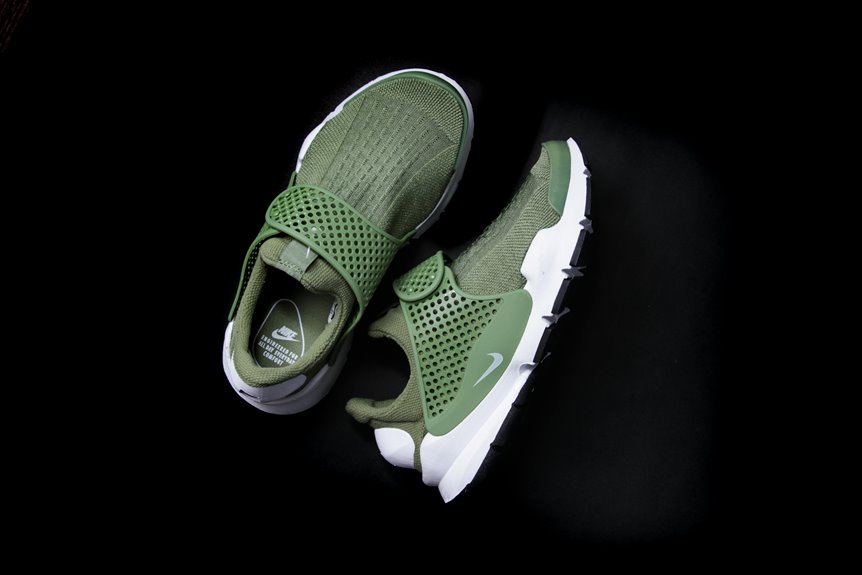
Polyamide fabric is strong, lightweight, and dries quickly, which makes it comfortable to wear for many activities. However, it doesn’t breathe as well as natural fibers like cotton or wool because its synthetic fibers and tight weave limit airflow. While it manages moisture by wicking sweat away, it can trap heat in hot conditions. If you want to understand how polyamide compares to other fabrics and ways to improve its breathability, keep exploring its features and blends.
Key Takeaways
- Polyamide is less breathable than natural fibers like cotton due to its synthetic structure.
- Its tight weave and water-resistant finishes can further reduce airflow and moisture vapor escape.
- Polyamide fabric wicks moisture away, keeping skin dry but may trap heat in hot conditions.
- Blending polyamide with natural fibers improves breathability and comfort.
- Polyamide suits moderate activity and outerwear but may need ventilation for intense, hot-weather use.
What Is Polyamide and How Is It Made?
Although you mightn’t realize it, polyamide is a versatile synthetic polymer commonly used in textiles and plastics. You’ll find it in nylon, one of the most popular types of polyamide.
To make polyamide, manufacturers use a chemical process called polymerization, where small molecules called monomers link together to form long chains. These chains create a strong, durable material that’s lightweight and flexible.
Polyamide is formed through polymerization, linking monomers into strong, lightweight, and flexible long chains.
You’re likely wearing clothing made from polyamide without even noticing. It’s produced by combining diamines and dicarboxylic acids, which react to form the polymer chains.
This process can be adjusted to create different types of polyamide with varying characteristics, depending on the intended use. Understanding what polyamide is and how it’s made helps you appreciate its widespread presence in everyday products.
Key Properties of Polyamide Fabric
Now that you know how polyamide is made, it’s easier to understand why it offers such unique qualities in fabric form.
You’ll find polyamide fabric incredibly strong and durable, resisting wear and tear better than many other materials. It’s lightweight, so you won’t feel weighed down wearing it.
Plus, polyamide dries quickly, which is perfect if you’re active or caught in the rain. It also resists wrinkles and holds its shape well, making your clothes look sharp with minimal effort.
While it’s water-resistant to a degree, it doesn’t absorb moisture like natural fibers do. This means it can feel less breathable, but it also means it won’t stay damp for long.
Factors Affecting Breathability in Fabrics
When you choose fabric for your clothing, understanding what affects breathability can make a big difference in comfort.
Breathability depends on fiber type, fabric construction, and finishes applied. Natural fibers like cotton typically allow more air to pass through than synthetic ones.
However, how tightly the fabric is woven or knitted greatly impacts airflow—looser weaves let more air circulate, while denser weaves restrict it.
Additionally, treatments applied to fabrics, such as water repellents or coatings, can block moisture vapor, reducing breathability.
The thickness and layering of fabric also play roles; thinner fabrics generally breathe better.
How Polyamide Performs in Moisture Management
Understanding the factors that affect breathability helps set the stage for evaluating how polyamide handles moisture management.
When you wear polyamide, you’ll notice it’s designed to wick moisture away from your skin quickly. This synthetic fiber pulls sweat to the fabric’s surface, where it can evaporate faster, keeping you drier during activities.
However, polyamide itself isn’t highly absorbent, so it doesn’t hold moisture like natural fibers do. Instead, it relies on this wicking ability combined with its lightweight structure to help regulate your body temperature.
Polyamide isn’t absorbent but uses wicking and lightweight design to keep you cool and dry.
If you’re active or in warm conditions, polyamide’s performance in moisture management can keep you comfortable by reducing dampness and preventing that sticky feeling often associated with sweat-soaked clothing.
Comparing Polyamide to Natural Fibers
When you compare polyamide to natural fibers, you’ll notice differences in moisture management and airflow that affect comfort.
While natural fibers often breathe better, polyamide offers superior durability.
Let’s explore how these factors balance out for your everyday wear.
Moisture Management Comparison
Although polyamide fabrics are praised for their durability and quick-drying properties, they manage moisture differently than natural fibers like cotton or wool.
When you wear polyamide, it tends to repel water and wick sweat away from your skin, allowing it to evaporate quickly. In contrast, cotton absorbs moisture, which can leave you feeling damp and heavy during intense activity.
Wool, meanwhile, naturally regulates moisture by absorbing water vapor while still feeling dry to the touch. This means wool can keep you comfortable in varying conditions without soaking up sweat like cotton.
So, if you want fast drying and moisture wicking, polyamide works well, but if you prefer natural moisture absorption and regulation, cotton or wool might suit you better.
Each fiber handles moisture uniquely.
Comfort and Air Flow
Since comfort often depends on how well a fabric lets air circulate, you might notice a difference between polyamide and natural fibers like cotton or wool.
Polyamide tends to trap heat more than natural fibers because it’s less porous. When you wear polyamide, it can feel warmer, especially in hot or humid conditions.
In contrast, cotton and wool naturally allow better air flow, helping keep you cooler by letting heat escape. Wool even has moisture-wicking properties that help regulate temperature.
However, polyamide’s smooth texture feels lightweight and soft against your skin, which some people prefer for activewear.
Ultimately, if you prioritize breathability and natural ventilation, you might lean toward cotton or wool, but for a snug, moisture-resistant fit, polyamide works well too.
Durability Versus Breathability
You’ll find that polyamide excels in durability compared to natural fibers like cotton or wool, which tend to wear out more quickly.
Polyamide resists abrasion, stretching, and moisture damage, making it ideal for activewear and outer layers. However, this durability often comes at the cost of breathability.
Natural fibers typically allow better airflow and moisture absorption, helping you stay cooler and drier in warm conditions. Polyamide’s tightly woven structure can trap heat and sweat, which might feel less comfortable during intense activity.
If you prioritize long-lasting garments that withstand rough use, polyamide is a solid choice. But if breathability and ventilation top your list, natural fibers could serve you better.
Balancing durability and breathability depends on your specific needs and activities.
Enhancing Breathability in Polyamide Blends
You can boost polyamide’s breathability by adjusting fabric composition and blending it with natural fibers like cotton or wool.
Moisture management techniques, such as moisture-wicking finishes, also help keep you dry and comfortable.
Understanding these methods lets you choose polyamide blends that breathe better for your needs.
Fabric Composition Effects
Although pure polyamide fabrics often lack breathability, blending them with other fibers can considerably improve airflow and moisture management.
When you combine polyamide with natural fibers like cotton or wool, you introduce tiny gaps in the fabric structure, allowing more air to circulate.
Adding fibers such as elastane or polyester can also affect stretch and durability but might reduce breathability if overused.
The proportion of each fiber plays a vital role—you’ll find that higher natural fiber content generally increases breathability, while more polyamide offers strength and moisture resistance.
By choosing the right blend, you balance comfort and performance, ensuring the fabric feels more breathable without sacrificing polyamide’s durability.
Understanding fabric composition helps you select garments that better suit your comfort needs.
Moisture Management Techniques
When aiming to enhance breathability in polyamide blends, effective moisture management techniques play an essential role. You can improve comfort by incorporating moisture-wicking finishes that pull sweat away from your skin to the fabric’s surface, where it evaporates quickly.
Additionally, engineered fabric structures like micro-porous membranes or mesh knit patterns increase airflow, helping moisture escape more efficiently. You might also consider treatments that enhance hydrophilicity, allowing the fabric to absorb and disperse moisture evenly rather than trapping it.
These techniques reduce clamminess and keep you dry during physical activity. By focusing on these moisture management strategies, you guarantee polyamide blends perform better in breathability without sacrificing durability or stretch, making your garments suitable for active and everyday wear.
Blending With Natural Fibers
Improving moisture management in polyamide fabrics sets the stage for further enhancing breathability by blending them with natural fibers. When you mix polyamide with cotton, wool, or linen, you combine synthetic durability with natural airflow and moisture absorption. This blend helps reduce sweat buildup and improves comfort, especially in warm weather.
Here’s a quick look at common polyamide-natural fiber blends:
| Natural Fiber | Benefit |
|---|---|
| Cotton | Softness, moisture absorption |
| Wool | Temperature regulation |
| Linen | Lightweight, breathability |
| Silk | Smooth texture, moisture control |
| Hemp | Strength, antimicrobial |
Best Uses for Polyamide Based on Breathability
Since polyamide offers moderate breathability, you’ll find it best suited for activities where moisture management is important but not critical.
For example, it works well in casual wear, light sportswear, or outer layers where you want some moisture control without sacrificing durability. You can rely on polyamide in hiking jackets or gym clothes that don’t require heavy ventilation but still need to handle sweat.
However, for intense workouts or hot climates, you might want to combine it with more breathable fibers to enhance comfort.
Polyamide’s quick-drying nature also makes it ideal for travel or active days when you need garments that manage moisture efficiently while retaining strength and shape.
Frequently Asked Questions
Is Polyamide Fabric Hypoallergenic?
You’ll find polyamide fabric generally isn’t hypoallergenic since it’s synthetic and may cause irritation for sensitive skin. However, many people wear it comfortably; if you have allergies, test it first to see how your skin reacts.
How Durable Is Polyamide Compared to Polyester?
Think of polyamide as a tough warrior—it’s generally more durable than polyester, resisting wear and tear better. You’ll find it stronger, especially in abrasion resistance, making your gear last longer under rough conditions.
Can Polyamide Fabrics Be Recycled?
You can recycle polyamide fabrics, but it’s not always easy. Specialized facilities handle this process, turning old polyamide into new fibers. Check local recycling options, as availability varies and not all centers accept synthetic textiles.
Does Polyamide Resist UV Damage?
You’d think polyamide laughs in the face of UV rays, but it doesn’t fully resist them. While it offers decent protection, prolonged sun exposure will eventually degrade it, so don’t expect it to last forever outdoors.
How Should Polyamide Clothing Be Washed and Dried?
You should wash polyamide clothing in cold water with a gentle detergent and avoid bleach. Air dry it or tumble dry on low heat to prevent damage and maintain its shape and performance.