
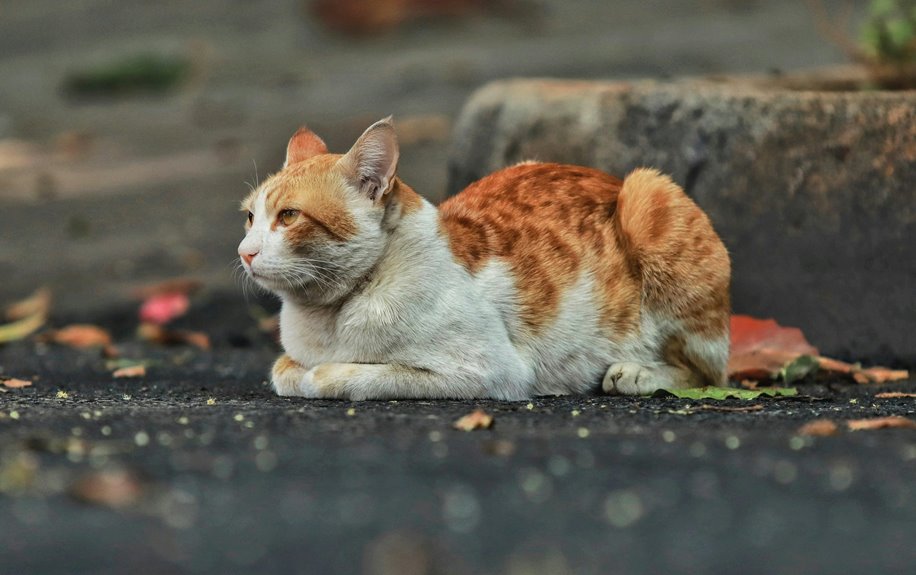
You’ll find that percale fabric doesn’t attract pet hair as much as other materials because its tightly woven, smooth texture prevents hair from clinging easily. If you have pets, you’ll appreciate that percale sheets are breathable, durable, and easier to keep clean. While some hair may still stick due to static or movement, removing it is simpler than with fuzzy fabrics like flannel. Keep exploring to discover how percale compares and how to manage pet hair effectively.
Key Takeaways
- Percale’s smooth, tightly woven texture reduces pet hair cling compared to looser fabrics.
- The crisp surface of percale allows pet hair to slide off easily, minimizing buildup.
- Percale resists pilling, preventing hair from embedding deeply in the fabric.
- Frequent washing of percale bedding maintains its hair-repelling qualities without losing texture.
- Using lint rollers and dryer sheets further helps keep percale bedding pet hair-free.
What Is Percale Fabric?
Percale fabric is a type of closely woven cotton or cotton-blend textile known for its crisp, smooth feel. When you touch percale, you’ll notice its matte finish and lightweight nature, making it popular for bedding and apparel.
This weave uses a one-over, one-under pattern, creating a strong, breathable material that resists pilling. Percale’s thread count usually ranges from 180 to 200, which balances durability with softness. You’ll find it feels cool and fresh against your skin, especially in warmer weather.
Because it’s tightly woven, percale holds up well to frequent washing without losing its texture or strength. Understanding these qualities helps you see why percale remains a favorite choice for those seeking comfort and longevity in fabric.
How Percale’s Texture Affects Pet Hair Attraction
You’ll notice that percale’s smooth texture helps reduce how much pet hair sticks to it.
The tight weave density also plays a role by limiting spaces where hair can cling.
Understanding these factors can help you manage pet hair on your bedding more effectively.
Smoothness and Hair Cling
One key factor in how pet hair interacts with your bedding is the fabric’s smoothness.
Percale has a crisp, smooth surface that reduces the ability of pet hair to cling tightly. Because its fibers lie flat and even, pet hair tends to slide off more easily compared to rougher fabrics.
You’ll notice fewer hairs sticking stubbornly to percale sheets, making cleanup simpler. However, smoothness alone doesn’t guarantee zero hair cling—some static or movement can still cause hairs to stick momentarily.
Still, percale’s smooth texture generally means less hair accumulation, so if you want bedding that doesn’t attract pet hair like a magnet, percale is a smart choice.
You can enjoy a cleaner sleeping surface without constant lint rolling.
Weave Density Impact
Although smoothness plays a big role in pet hair resistance, the density of the weave greatly influences how much hair your bedding attracts.
Percale’s tight weave means fewer gaps for pet hair to slip into, making it less likely to cling stubbornly. When you run your hand over percale sheets, you’ll notice a crisp texture that resists hair embedding deep within the fabric.
However, if the weave is looser or lower in thread count, pet hair can settle more easily between threads, making removal tougher.
Comparing Percale to Other Common Bedding Materials
You might wonder how percale stacks up against cotton and flannel when it comes to pet hair.
Each fabric has a unique texture that affects hair cling differently.
Let’s compare their qualities to help you choose the best bedding for your furry friends.
Percale vs. Cotton
When choosing bedding, you might wonder how percale compares to cotton, since percale is actually a type of cotton weave.
Percale features a tight, plain weave that gives it a crisp, matte finish, making it feel cooler and more breathable than many other cotton fabrics.
Regular cotton, on the other hand, can come in various weaves like sateen, which is softer and shinier.
If you’re concerned about pet hair, percale’s smooth, flat surface tends to attract less hair than looser weaves because there are fewer gaps for hair to cling to.
Percale vs. Flannel
Percale and flannel offer distinctly different sleeping experiences that cater to varying preferences and climates.
Percale, with its crisp, lightweight weave, keeps you cool and is ideal for warmer nights. Flannel, on the other hand, feels soft and cozy, trapping heat to keep you warm during colder months.
When it comes to pet hair, you’ll find that percale’s smooth surface doesn’t hold onto fur as much as flannel’s fuzzy texture does. Flannel’s napped fibers tend to attract and trap pet hair, making it harder to clean.
If you want bedding that resists pet hair buildup and stays fresh longer, percale is your best bet. However, if warmth and softness are your priority, you might accept the extra effort flannel requires to manage pet hair.
Benefits of Using Percale Sheets for Pet Owners
Pet owners often face the challenge of keeping their beds clean and comfortable despite shedding fur and dander.
Percale sheets can help you manage this better thanks to their tightly woven cotton fabric. This weave creates a smooth surface that makes pet hair less likely to stick, so you can easily brush off fur with a quick swipe.
Plus, percale is breathable and lightweight, providing you and your pets a cool, comfortable sleep environment.
Percale’s breathable, lightweight fabric ensures a cool and comfortable sleep for both you and your pets.
The durability of percale means it withstands frequent washing, essential for removing pet allergens and maintaining hygiene.
Choosing percale sheets means you get a practical, pet-friendly bedding option that balances comfort and cleanliness, making your shared sleep space inviting without constant fuss over fur buildup.
Challenges of Keeping Percale Bedding Hair-Free
Keeping your bedding free from pet hair can still be tricky, even with percale sheets. Though percale’s crisp weave resists clinging hair better than some fabrics, pet hair can still find its way between the threads.
If your pet sheds heavily, you’ll notice hair accumulating on the surface, especially in areas where your pet likes to rest. Additionally, the tight weave of percale can sometimes trap tiny hairs, making them harder to spot but still present.
Because percale is lightweight and breathable, static buildup is minimal, but it doesn’t eliminate hair transfer completely. You’ll need to stay vigilant about checking your bedding regularly, as pet hair can stick subtly and blend into the fabric’s texture, posing an ongoing challenge to keeping your sheets truly hair-free.
Effective Ways to Remove Pet Hair From Percale Sheets
One of the best ways to tackle hair on your sheets is by using a lint roller or adhesive tape, which quickly lifts away hairs without damaging the fabric.
For stubborn pet hair, you can dampen a rubber glove and run your hand over the percale sheets; the hair will cling to the glove.
Another effective method is tossing your sheets in the dryer with a dryer sheet on a low or air-only cycle for 10 minutes—this loosens hair and prevents static cling.
When washing, add half a cup of white vinegar during the rinse cycle to help release pet hair from the fibers.
Finally, regularly brushing your pets and keeping their sleeping areas clean reduces the amount of hair that ends up on your percale sheets.
Tips for Choosing Pet-Friendly Bedding Fabrics
Removing pet hair from percale sheets can be a hassle, so choosing the right bedding fabric can save you time and effort.
When shopping for pet-friendly bedding, you want materials that resist hair clinging and are easy to clean. Look for fabrics with tight weaves and smooth finishes that prevent hair from embedding deeply.
Here are some tips to guide your choice:
- Opt for microfiber or tightly woven cotton for easy hair removal.
- Avoid loosely woven fabrics like flannel or velvet that trap hair.
- Choose darker colors or patterns to camouflage pet hair.
- Prioritize machine-washable fabrics that handle frequent cleanings.
Frequently Asked Questions
Can Washing Percale Sheets Reduce Pet Hair Retention?
You can reduce pet hair on percale sheets by washing them regularly. Using a gentle cycle and adding a fabric softener helps loosen hair fibers, making it easier to remove pet hair during laundry.
Do Pets Prefer Percale Fabric for Sleeping?
You’ll find pets often enjoy percale fabric because it’s cool and breathable, making it comfortable for their naps. Its crisp texture can be appealing, so your furry friend might prefer percale over heavier fabrics for sleeping.
How Often Should Percale Bedding Be Replaced With Pets?
You should replace percale bedding every 1-2 years, especially with pets. Regular washing helps, but over time, fibers wear down and accumulate allergens, so swapping bedding guarantees comfort and cleanliness for both you and your furry friend.
Are Hypoallergenic Percale Sheets Available for Pet Owners?
Like finding a hidden treasure, you’ll discover hypoallergenic percale sheets made just for pet owners. These breathable, tightly woven fabrics resist allergens and pet dander, keeping your sleep space fresh and comfy every night.
Does Percale Fabric Affect Pet Allergens Differently?
You’ll find percale’s tight weave helps reduce pet allergens by limiting hair and dander buildup. While it doesn’t eliminate allergens, it’s easier to clean, making your bedding fresher and more comfortable if you have pets.