
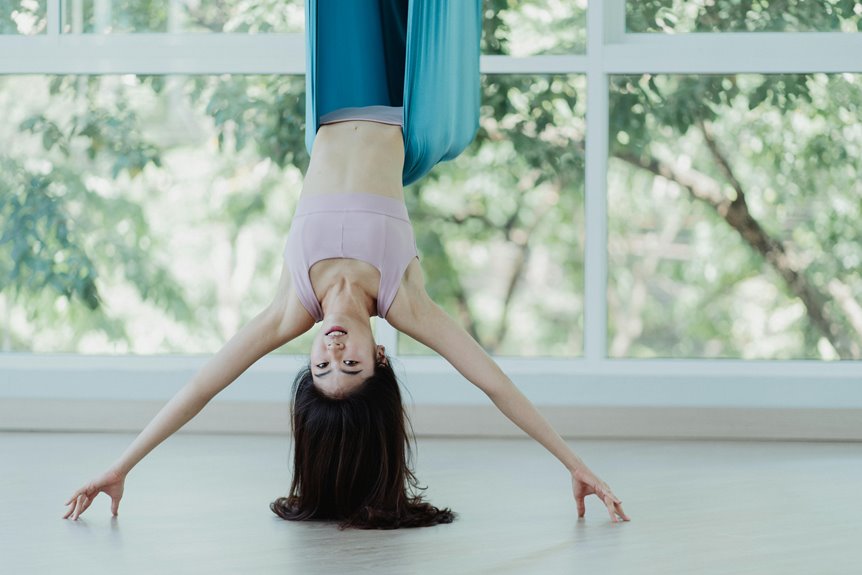
Lyocell does stretch, but only moderately because it’s made from natural cellulose fibers. You’ll find it offers a gentle, natural give that’s more flexible than cotton but less stretchy than spandex blends. This fabric keeps its shape well and feels soft and breathable against your skin. It’s perfect if you want comfort without sacrificing durability. If you want to know how it compares to other fabrics and how to care for it, keep exploring its unique qualities.
Key Takeaways
- Lyocell fabric has moderate natural stretch due to its cellulose fiber composition, offering comfortable flexibility without high elasticity.
- It provides more give than cotton but less stretch compared to spandex or elastane blends.
- The fabric’s stretch helps maintain shape with good recovery and durability over time.
- Lyocell is ideal for everyday wear and light activity where moderate stretch enhances comfort.
- Care practices like washing in cold water and air drying help preserve its natural stretch and fabric integrity.
What Is Lyocell Fabric Made From?
Although you mightn’t realize it, lyocell fabric is made from wood pulp, primarily sourced from sustainably managed eucalyptus, beech, or spruce trees.
You’ll find lyocell stands out because it’s a type of rayon, but it’s produced through a more eco-friendly process called solvent spinning. This method dissolves the wood pulp in a non-toxic solvent, then spins it into fibers, reducing harmful waste.
When you wear lyocell, you’re fundamentally wearing a fabric derived from natural cellulose, but engineered for softness and durability. It’s breathable, smooth, and gentle on your skin—qualities that come straight from the raw materials and production technique.
Understanding what lyocell is made from helps you appreciate why it’s considered a sustainable and comfortable fabric choice.
The Natural Stretch Properties of Lyocell
Since lyocell comes from natural cellulose fibers, it naturally offers some degree of stretch and flexibility. You’ll find that lyocell garments move comfortably with your body without losing shape quickly. This subtle stretch enhances comfort, especially in activewear or casual clothes. However, lyocell’s stretch isn’t as pronounced as synthetic fibers.
Here’s a quick overview of lyocell’s natural stretch traits:
| Property | Description | Impact on Wear |
|---|---|---|
| Fiber Origin | Wood pulp (cellulose) | Natural flexibility |
| Elasticity | Moderate | Comfortable fit |
| Recovery | Good | Maintains shape |
| Stretch Limit | Low to moderate | Not for high-stretch needs |
| Durability | High | Long-lasting garments |
Understanding this helps you pick lyocell for soft, breathable, and slightly stretchy apparel.
Comparing Lyocell Stretch to Other Fabrics
When you compare lyocell’s stretch to other fabrics, you’ll notice it offers a balance between comfort and durability.
Unlike cotton, which has minimal natural stretch, lyocell provides gentle give without losing shape. It doesn’t stretch as much as spandex or elastane blends, so you won’t get the same level of flexibility, but it feels softer and more breathable.
Compared to polyester, lyocell stretches more naturally and feels less synthetic, making it a great choice if you want comfort with some movement.
If you need fabric that stretches a lot, lyocell mightn’t be your best bet, but for everyday wear where moderate stretch and softness matter, it’s an excellent option that holds up well over time.
How Lyocell Responds to Different Types of Wear
Because lyocell has a unique fiber structure, it adapts well to various types of wear without losing its comfort or shape.
When you wear lyocell during everyday activities, it moves with you, offering gentle flexibility without overstretching. If you’re active or bending frequently, lyocell maintains its form, so you won’t notice sagging or bagging.
During prolonged wear, the fabric stays breathable and soft, reducing discomfort even after hours. However, lyocell isn’t designed for heavy strain or intense stretching like athletic wear, so you should avoid overexerting it.
Overall, lyocell responds best to moderate, natural movements, making it ideal for casual and office wear where comfort and shape retention matter most.
Lyocell excels with natural movement, perfect for everyday comfort and maintaining shape throughout your day.
You’ll appreciate how it balances softness with lasting resilience.
Factors That Affect Lyocell’s Stretch and Recovery
Although lyocell naturally offers some stretch and recovery, several factors influence how well it performs over time.
The fabric’s weave or knit affects its elasticity—tighter weaves generally stretch less, while knits provide more give. How the lyocell is blended matters too; combining it with fibers like spandex can boost stretch and improve recovery.
Your garment’s care routine plays a big role: washing in cold water and avoiding high heat drying helps preserve the fabric’s structure. Frequent stretching beyond its limits can weaken fibers, reducing recovery.
Also, the quality of lyocell fiber impacts durability—higher-grade lyocell tends to maintain stretch longer.
Tips for Choosing Stretchy Lyocell Blends
Choosing the right lyocell blend can make all the difference in how comfortable and flexible your clothing feels.
When shopping, you want a fabric that moves with you without losing its shape. Here are three tips to help you pick the best stretchy lyocell blend:
- Look for blends with spandex or elastane. These fibers add extra stretch and improve recovery.
- Check the percentage of lyocell. Higher lyocell content means softness and breathability, but too much can reduce stretch.
- Feel the fabric before buying. A slight bounce or give indicates better flexibility.
Caring for Lyocell to Maintain Its Shape
Stretchy lyocell blends can keep you comfortable, but their shape depends on how you care for them. To maintain that natural give, always wash lyocell in cold water using a gentle cycle. Avoid hot water—it can weaken fibers and cause shrinkage.
Skip the dryer when you can; instead, lay your garment flat or hang it to air dry. If you must use a dryer, choose a low heat setting to prevent damage.
When ironing, use a low temperature and press on the reverse side to avoid shine or stretching. Also, avoid wringing or twisting wet lyocell, as this can distort its shape.
Ideal Uses for Lyocell Based on Its Stretch Characteristics
Lyocell’s natural stretch makes it a versatile fabric that adapts well to various clothing styles. When choosing garments made from lyocell, consider how its gentle give complements your needs.
Here are three ideal uses for lyocell based on its stretch characteristics:
- Everyday Wear: Lyocell’s subtle stretch offers comfort and mobility, perfect for casual shirts and dresses you wear all day.
- Activewear: While not as stretchy as synthetic fibers, lyocell blends provide enough flexibility for light exercise or yoga.
- Office Attire: The fabric’s smooth drape and mild stretch guarantee your work clothes maintain a polished look without feeling restrictive.
Keep these uses in mind to enjoy lyocell’s balance of comfort and style in your wardrobe.
Frequently Asked Questions
Is Lyocell Fabric Environmentally Sustainable?
Back in the Victorian era, sustainability wasn’t a thing, but today you’ll love lyocell fabric—it’s eco-friendly, made from wood pulp using a closed-loop process that recycles solvents, so you’re choosing a greener, modern fabric.
Can Lyocell Cause Allergies or Skin Irritation?
You usually won’t experience allergies or skin irritation from lyocell since it’s hypoallergenic and breathable. However, if you’re sensitive to certain chemicals used in processing, you might want to test it before wearing for long periods.
How Does Lyocell Fabric Perform in Hot Weather?
Imagine wearing a fabric that feels like a cool breeze on a scorching day—that’s lyocell for you. You’ll stay comfy because it wicks moisture away and breathes well, making hot weather much more bearable.
Is Lyocell Wrinkle-Resistant Compared to Cotton?
You’ll find lyocell more wrinkle-resistant than cotton because its fibers have a smoother surface, helping it resist creases better. It’s easier to maintain, so your clothes look fresh with less ironing effort.
What Is the Best Way to Dye Lyocell Fabric?
You should use fiber-reactive or acid dyes to dye lyocell fabric. Pre-wash it, then soak in warm water with dye and fixative. Always follow dye instructions carefully for vibrant, lasting colors on your lyocell.