
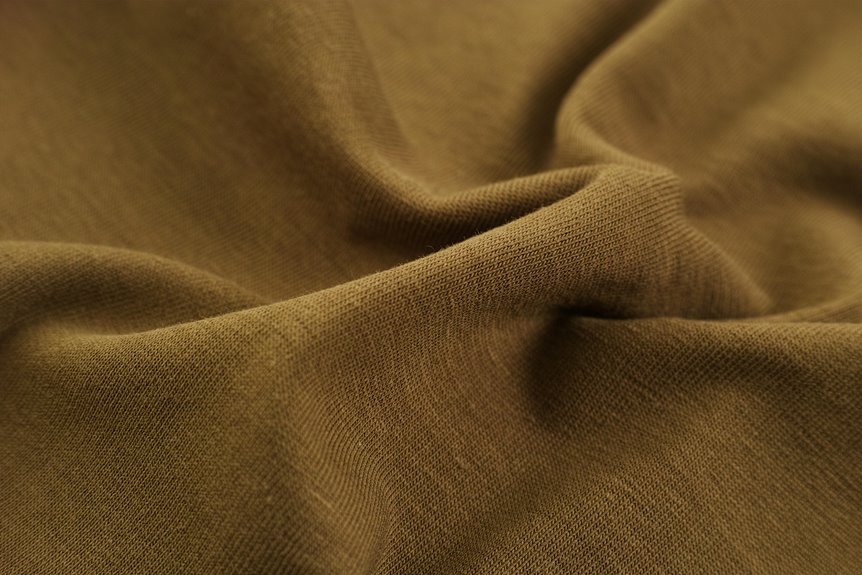
You won’t find Gore-Tex fabric creasing easily because it’s designed with a durable, tightly woven membrane layered between protective outer and inner fabrics. It handles folding and compression well, resisting permanent creases and maintaining waterproof integrity. However, sharp folds or prolonged pressure can cause temporary wrinkles. Proper storage, like hanging on padded hangers and avoiding tight folds, helps keep your gear crease-free and performing well. Keep exploring to discover how to best care for and preserve your Gore-Tex apparel.
Key Takeaways
- Gore-Tex fabric can develop temporary wrinkles but generally resists permanent creasing due to its durable, tightly woven outer layer.
- Softer Gore-Tex fibers crease more easily than tightly woven variants, influenced by material composition and handling.
- Prolonged sharp folds or compression may cause creases, but loose folding minimizes permanent creasing during storage.
- Proper storage—hanging on wide padded hangers and avoiding tight spaces—helps prevent creasing and preserves fabric integrity.
- Creases can reduce waterproofing and breathability, so minimizing creasing extends Gore-Tex performance and garment lifespan.
Understanding the Composition of Gore-Tex Fabric
Although Gore-Tex fabric may look simple, it’s actually a complex material made from multiple layers designed to keep you dry and comfortable.
Gore-Tex combines multiple layers to deliver exceptional dryness and comfort in all conditions.
When you wear Gore-Tex, you’re relying on a thin, microporous membrane sandwiched between protective outer fabric and an inner lining. This membrane contains billions of tiny pores, small enough to block water droplets but large enough to let sweat vapor escape.
This unique structure helps you stay dry both from rain and your own perspiration. The outer layer usually features durable woven fibers, adding strength and abrasion resistance.
Meanwhile, the inner lining enhances breathability and comfort against your skin. Understanding this layered composition helps you appreciate why Gore-Tex performs so well in various weather conditions without sacrificing comfort.
Factors That Influence Creasing in Gore-Tex
You’ll notice that the way Gore-Tex creases depends a lot on its material composition.
How you use and handle the fabric also plays a big role in crease formation.
Plus, proper storage and maintenance can help minimize unwanted creases over time.
Material Composition Impact
When you examine Gore-Tex closely, you’ll notice that its unique material composition plays an essential role in how it creases. Gore-Tex consists of a waterproof membrane laminated between layers of fabric, usually nylon or polyester. The fabric’s weave tightness and fiber type influence flexibility and crease resistance. For instance, softer fibers tend to crease more easily, while tightly woven fabrics hold shape better.
| Component | Material Type | Effect on Creasing |
|---|---|---|
| Outer Layer | Nylon / Polyester | Affects durability and crease |
| Gore-Tex Membrane | ePTFE | Minimizes water passage, neutral on creasing |
| Inner Layer | Mesh / Fabric | Adds comfort, can crease depending on fiber |
Understanding these details helps you predict how Gore-Tex will behave under different conditions.
Usage and Handling Effects
The way you use and handle Gore-Tex greatly affects how it creases over time. When you frequently bend or fold the fabric in the same spots, creases become more noticeable. Activities involving repetitive motion or pressure, like backpack straps rubbing against the material, can also create permanent lines.
If you tend to scrunch or stuff your Gore-Tex gear into tight spaces, expect more wrinkles. On the other hand, wearing it loosely and avoiding sharp folds helps keep the fabric smooth. You should also be mindful of how you put on and take off Gore-Tex garments; rough handling can stress the fibers and promote creasing.
Storage and Maintenance
Although proper storage might seem minor, it plays an essential role in preventing creases in Gore-Tex fabric. You should avoid folding or compressing the fabric tightly for long periods, as this can create stubborn creases.
Instead, hang your Gore-Tex garments on wide, padded hangers to maintain their shape and allow the fabric to breathe. When storing for extended times, keep the fabric in a cool, dry place away from direct sunlight, which can degrade the membrane and affect its flexibility.
Regular maintenance, like gentle washing and proper drying, also helps preserve the fabric’s integrity. By handling storage and maintenance thoughtfully, you’ll minimize creasing and extend the life of your Gore-Tex gear, keeping it functional and looking fresh.
How Gore-Tex Fabric Reacts to Folding and Compression
Because you often fold or compress Gore-Tex fabric during use or storage, understanding its reaction to these actions is essential.
Gore-Tex is designed to be durable and flexible, so it generally handles folding and compression well without permanent creases. However, if you fold it sharply or compress it for extended periods, you might notice temporary wrinkles or creases. These marks usually disappear once the fabric is unpacked and allowed to relax.
To minimize creasing, try to fold your Gore-Tex items loosely and avoid heavy compression during storage. Remember, the fabric’s waterproof membrane remains intact despite creasing, so performance isn’t compromised.
With proper handling, your Gore-Tex gear will maintain its appearance and functionality, even after repeated folding and packing.
Comparing Gore-Tex With Other Outdoor Fabrics
When you compare Gore-Tex with nylon, you’ll notice key differences in breathability and durability.
Gore-Tex offers superior waterproofing and lets moisture escape, while nylon often falls short in breathability.
Understanding these contrasts helps you choose the right fabric for your outdoor gear.
Gore-Tex Vs Nylon
Choosing between Gore-Tex and nylon often comes down to your specific outdoor needs.
Gore-Tex offers waterproof protection thanks to its membrane, while nylon is typically water-resistant but not fully waterproof. You’ll find Gore-Tex heavier and less flexible compared to nylon’s lightweight and supple feel.
Here’s what to reflect on:
- Gore-Tex excels in keeping you dry during heavy rain or snow.
- Nylon dries faster if it gets wet but won’t stop heavy rain.
- Gore-Tex usually costs more due to advanced technology and durability.
- Nylon often wrinkles or creases more easily because it lacks Gore-Tex’s structured membrane.
If waterproofing is your priority, Gore-Tex is the better choice.
For lighter, more packable gear, nylon might suit you better.
Breathability and Durability
A key factor to contemplate in outdoor gear is how well it balances breathability and durability.
When you choose Gore-Tex, you get a fabric designed to keep water out while letting sweat escape, so you stay dry and comfortable during intense activity. Gore-Tex is tougher than many other outdoor fabrics like standard nylon or polyester, resisting tears and abrasions better over time.
However, its breathability can sometimes feel slightly less than lighter, less durable fabrics, especially in very hot conditions.
Still, Gore-Tex strikes a reliable balance, making it ideal if you want gear that protects you from harsh weather without sacrificing comfort or lifespan.
Tips for Preventing Creases in Gore-Tex Gear
Because Gore-Tex fabric relies on its unique membrane for waterproofing and breathability, you’ll want to handle it carefully to avoid creases that can weaken its performance.
To keep your Gore-Tex gear in top shape, take some simple precautions when storing and using it.
- Hang your gear on wide, padded hangers instead of folding it tightly.
- Avoid crushing your clothing or stuffing it into small spaces like backpacks.
- Store your items in a cool, dry place away from direct sunlight.
- When packing, roll your gear loosely to minimize sharp folds and creases.
Methods to Remove Creases From Gore-Tex Clothing
If you notice creases in your Gore-Tex clothing, you can usually remove them without damaging the fabric.
First, hang your garment in a steamy bathroom to let the wrinkles relax naturally. Avoid direct heat or ironing, which can harm the membrane.
If you need a quicker fix, use a garment steamer held a few inches away, moving it evenly over creased areas. For stubborn creases, tumble dry your Gore-Tex item on a low setting for about 20 minutes; this can help reset the fabric’s shape.
Always check the care label before applying heat.
Finally, gently smoothing out wrinkles by hand after washing and drying also helps keep your gear crease-free without risking damage.
Impact of Creasing on Gore-Tex Performance
While creases might seem harmless, they can affect how your Gore-Tex garment performs in wet and windy conditions. When the fabric creases, it can compromise the membrane’s ability to repel water and block wind effectively.
You might notice that areas with deep folds become less breathable, trapping moisture inside and reducing comfort. Over time, repeated creasing can weaken the fabric’s structure, leading to potential leaks or tears.
Here’s how creasing impacts your Gore-Tex gear:
- Reduces waterproof integrity in folded areas
- Limits breathability, causing dampness inside
- Increases wear and tear risk along creases
- Decreases overall durability and lifespan
Avoiding persistent creases helps maintain Gore-Tex’s protective qualities and keeps you dry and comfortable.
Best Practices for Storing Gore-Tex Apparel
Properly storing your Gore-Tex apparel preserves its performance and extends its lifespan. Start by hanging your gear on wide, padded hangers to maintain shape and avoid sharp creases.
Avoid stuffing it into tight spaces or folding it sharply, as this can cause permanent creases that affect breathability. Store your garments in a cool, dry place away from direct sunlight, which can degrade the fabric and waterproof coating.
If you must fold your Gore-Tex, do so loosely and avoid heavy pressure. Before storing for long periods, make sure your apparel is clean and fully dry to prevent mold and mildew.
Following these simple steps helps keep your Gore-Tex in top condition, ready for your next adventure.
Frequently Asked Questions
Is Gore-Tex Fabric Environmentally Friendly?
You want durable gear, but you care about the planet. Gore-Tex offers waterproof performance, yet its production involves chemicals that impact the environment. You’ll find efforts toward sustainability, but full eco-friendliness remains a challenge.
Can Gore-Tex Fabric Be Machine Washed Safely?
You can machine wash Gore-Tex fabric safely by using cold water and a gentle cycle. Avoid fabric softeners and bleach, then tumble dry on low to restore the DWR coating. Always check care labels first.
How Long Does Gore-Tex Fabric Typically Last?
Imagine your trusted Gore-Tex jacket lasting through countless adventures—typically, it lasts 10 years or more with proper care. You’ll enjoy its waterproof protection and durability, making every outdoor experience feel like a lasting memory.
Is Gore-Tex Fabric Breathable During Intense Activities?
You’ll find Gore-Tex fabric highly breathable during intense activities. It’s designed to let moisture escape while blocking water, keeping you dry and comfortable. So, whether running or hiking, it helps regulate your body temperature effectively.
Can Gore-Tex Clothing Be Repaired if Torn?
Like fixing a torn sail, you can repair Gore-Tex clothing. You just need proper patches and seam tape. If you act quickly and follow instructions, your gear will stay waterproof and ready for your next adventure.