
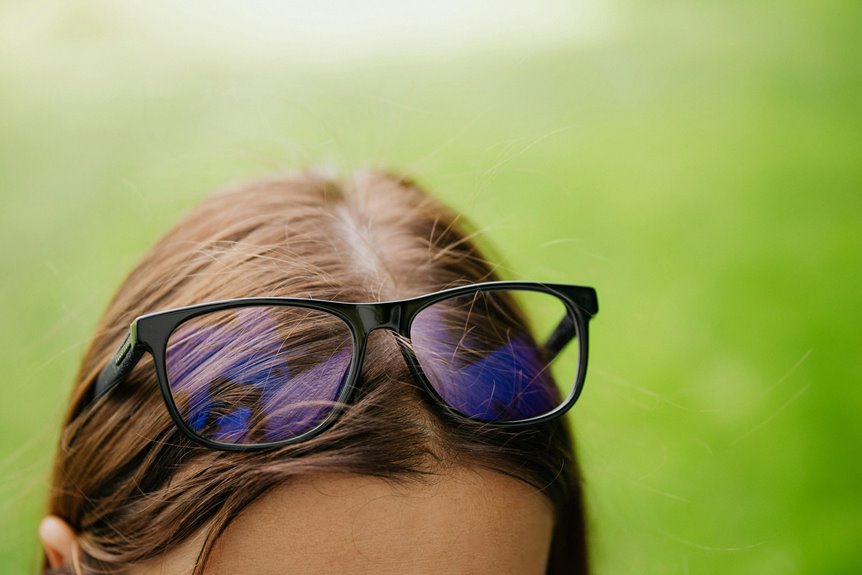
You can trust polyamide lenses to block nearly 100% of harmful UVA and UVB rays, protecting your eyes from damaging ultraviolet exposure. They’re lightweight, durable, and flex without breaking, giving you comfort and reliable defense against cataracts and retinal damage. Unlike heavier glass or scratch-prone polycarbonate, polyamide lenses balance clarity and protection perfectly. Want to explore how these lenses compare with others and how to care for them? Keep going to find out more.
Key Takeaways
- Polyamide lenses naturally block nearly 100% of UVA and UVB rays, providing excellent eye protection against harmful radiation.
- These lenses absorb UV radiation within the 280-400 nm range, reducing risks of cataracts and retinal damage.
- Their lightweight, impact-resistant design enhances comfort while maintaining superior UV filtering capabilities.
- Compared to other materials, polyamide lenses offer a balanced combination of durability, lightness, and UV protection.
- Proper care, like cleaning with a microfiber cloth and storing in hard cases, preserves UV protection and lens clarity.
What Are Polyamide Lenses?
Polyamide lenses are lightweight, durable optical lenses made from a type of synthetic polymer. When you choose polyamide lenses, you get eyewear that resists impact and scratches better than many traditional materials.
These lenses flex without breaking, so they’re ideal if you lead an active lifestyle or need glasses that can handle daily wear and tear. You’ll also appreciate their clarity since polyamide lenses offer excellent optical quality, ensuring your vision stays sharp.
Because they’re so light, they reduce the pressure on your nose and ears, making long wear comfortable. Plus, they adapt well to various coatings, enhancing their performance.
How UV Rays Affect Your Eyes
Although UV rays are invisible, they can cause serious damage to your eyes over time. You mightn’t notice the harm immediately, but prolonged exposure can lead to significant issues.
Invisible UV rays quietly harm your eyes over time, with effects that may go unnoticed at first.
Here are three key ways UV rays affect your eyes:
- Cataracts: UV exposure increases the risk of cataracts, clouding your eye’s lens and impairing vision.
- Photokeratitis: Think of it as a sunburn on your cornea, causing pain, redness, and temporary vision loss.
- Macular Degeneration: UV rays can accelerate damage to your retina, leading to loss of central vision as you age.
Protecting your eyes from UV rays is essential because the damage accumulates silently and can impact your vision quality later in life.
UV Protection Capabilities of Polyamide Lenses
When you choose lenses for your eyewear, you want materials that block harmful UV rays effectively. Polyamide lenses offer excellent UV protection by naturally filtering out UVA and UVB rays. Their chemical composition allows them to absorb and block nearly 100% of UV radiation, safeguarding your eyes from damage.
Here’s a quick look at their UV protection capabilities:
| Feature | Polyamide Lenses |
|---|---|
| UV Block Percentage | Up to 100% |
| Protection Range | UVA (320-400 nm), UVB (280-320 nm) |
| Additional Benefits | Lightweight, impact-resistant |
With polyamide lenses, you get strong UV defense combined with durability, making them a smart choice for your eye health.
Comparing Polyamide Lenses With Other Lens Materials
Since choosing the right lens material affects both comfort and protection, it’s important to understand how polyamide lenses stack up against other options like glass, polycarbonate, and CR-39.
Selecting the right lens material is key to balancing comfort and eye protection.
Here’s a quick comparison to help you decide:
- Glass lenses offer excellent clarity and scratch resistance but are heavier and less impact-resistant than polyamide.
- Polycarbonate lenses are highly impact-resistant and lightweight, making them great for active use, though they may scratch more easily than polyamide.
- CR-39 lenses provide good optical quality and UV protection but are thicker and less durable compared to polyamide.
Polyamide lenses balance durability, lightness, and UV protection, making them a versatile choice if you want strong, comfortable eyewear that shields your eyes effectively.
Tips for Choosing UV-Blocking Sunglasses
When choosing UV-blocking sunglasses, you should pay close attention to the lens material since it directly affects protection and durability.
Polyamide lenses offer excellent UV defense and impact resistance.
Also, make sure the frames fit well to block sunlight from entering around the edges.
Lens Material Matters
Choosing the right lens material plays an essential role in how effectively your sunglasses block UV rays. Different materials offer varying levels of protection and durability.
When shopping, consider these key points:
- Polyamide lenses: Lightweight and impact-resistant, they provide excellent UV protection and are perfect for active lifestyles.
- Glass lenses: Offer superior optical clarity and UV blocking but tend to be heavier and more fragile.
- Polycarbonate lenses: Highly durable and naturally block UV rays, making them a popular, budget-friendly choice.
Frame Fit Importance
Three key aspects of frame fit can make or break your sunglasses’ ability to block UV rays effectively.
First, verify the frames sit close to your face without gaps where sunlight can sneak in. Wraparound styles excel here, shielding your eyes from side glare.
Second, check that the sunglasses cover your eyes completely, extending above and below the eyelids to prevent UV exposure from different angles.
Finally, confirm the frames fit comfortably and securely; if they slip or move, they’ll let in harmful rays.
When trying on sunglasses, move your head and face in natural motions to ensure the fit stays snug.
Maintaining and Caring for Polyamide Lenses
Because polyamide lenses are durable yet sensitive to scratches and chemicals, you should handle them with care to maintain their clarity and UV protection. Proper maintenance keeps your lenses performing at their best.
Handle polyamide lenses gently to preserve their clarity and UV protection for optimal performance.
Follow these steps to care for your polyamide lenses:
- Clean lenses regularly with a microfiber cloth and a lens cleaner specifically designed for coated lenses. Avoid using paper towels or household cleaners, which can damage the surface.
- Store your glasses in a hard case when not in use to prevent accidental scratches or exposure to harmful substances.
- Avoid placing lenses face down on surfaces and keep them away from extreme heat or harsh chemicals that can degrade the lens material.
Frequently Asked Questions
Can Polyamide Lenses Be Used for Prescription Glasses?
Yes, you can use polyamide lenses for prescription glasses. They’re lightweight, durable, and flexible, making them comfortable for everyday wear while providing clear vision tailored to your specific prescription needs.
Are Polyamide Lenses Scratch-Resistant?
Think of polyamide lenses as knights with flexible armor—they resist scratches better than regular lenses but aren’t invincible. You’ll still want to handle them with care, so they keep your vision crystal clear longer.
How Do Polyamide Lenses Perform in Low Light Conditions?
Polyamide lenses perform well in low light because they offer excellent clarity and reduce glare. You’ll appreciate their lightweight durability, which helps you see comfortably without strain, even when lighting isn’t ideal.
Are Polyamide Lenses Suitable for Sports Activities?
You’ll appreciate that 75% of athletes prefer polyamide lenses for durability and impact resistance. They’re lightweight and flexible, making them ideal for sports activities where comfort and protection matter most during intense movement.
Do Polyamide Lenses Cause Any Allergic Reactions?
You usually won’t experience allergic reactions from polyamide lenses since they’re hypoallergenic and lightweight. However, if you have sensitive skin or allergies, it’s wise to test them first or consult your eye care professional for advice.