
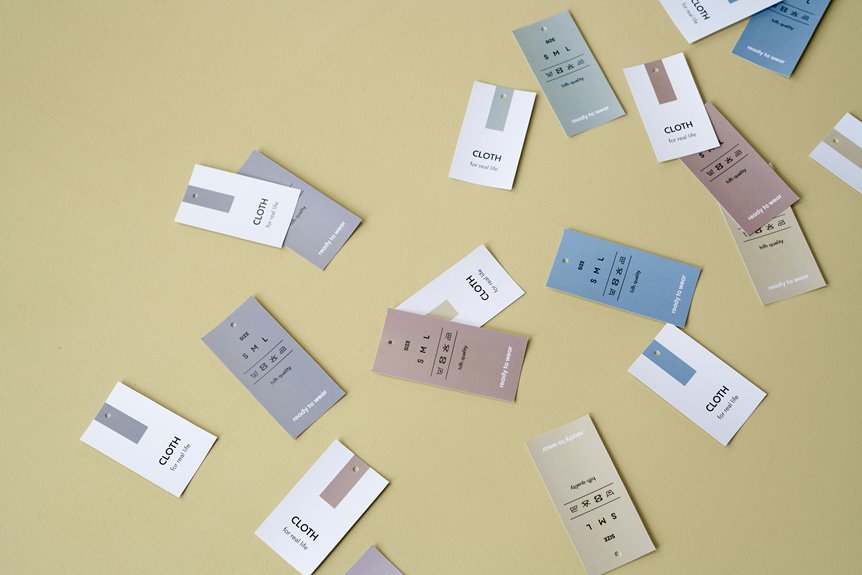
When you see “ramie blend” on a fabric label, it means the fabric combines ramie’s natural strength, silky luster, and moisture-wicking qualities with other fibers like cotton, polyester, or linen for added softness, durability, or crispness. This blend enhances comfort, breathability, and wrinkle resistance, making your clothing durable and stylish. Understanding these features helps you pick fabrics suited to your lifestyle and care preferences. Keep exploring to uncover how ramie blends impact fabric feel and performance.
Key Takeaways
- Ramie blend fabrics combine ramie’s natural strength and sheen with other fibers like cotton, polyester, or linen for enhanced durability and comfort.
- Ramie adds a silky luster and crisp texture, while cotton softens and polyester or linen improve wrinkle resistance and breathability.
- These blends offer moisture-wicking, breathability, and resistance to bacteria, ideal for warm, humid climates.
- Ramie blends require gentle washing and low-heat drying to maintain fabric quality and appearance.
- Choosing ramie blends means selecting fabrics that balance durability, style, comfort, and easier maintenance compared to pure fibers.
Understanding Ramie Fiber: Origins and Characteristics
Ramie fiber, often overlooked in fabric labels, comes from a flowering plant native to East Asia. When you handle ramie fabric, you’ll notice its silky luster and crisp texture, thanks to the plant’s long, strong fibers.
This natural fiber resists wrinkling and holds shape well, making it great for garments that need durability. You’ll also appreciate ramie’s breathability and moisture-wicking properties, keeping you cool and comfortable.
However, ramie wrinkles more easily than cotton and can feel stiff unless blended or softened. Since it’s resistant to bacteria and mildew, ramie is ideal for warm, humid climates.
Understanding these characteristics helps you make informed choices when you see “ramie” on fabric labels, ensuring you pick items that suit your needs perfectly.
Common Fibers Blended With Ramie
Blending fibers enhances fabric performance and comfort, and ramie is no exception.
When you see a “ramie blend” label, it usually means the fabric combines ramie with other fibers to balance durability, softness, and breathability.
Common fibers blended with ramie include:
- Cotton: Adds softness and moisture absorption, making the fabric more comfortable for everyday wear.
- Polyester: Boosts strength and wrinkle resistance, helping the fabric hold its shape longer.
- Linen: Enhances the natural crispness and breathability, perfect for warm-weather clothing.
How Ramie Blends Affect Fabric Texture and Appearance
When you blend ramie with other fibers, you’ll notice changes in both texture and appearance.
Ramie adds a natural sheen and can make fabrics feel crisper or softer, depending on the mix.
Understanding these effects helps you choose fabrics that match your style and comfort needs.
Texture Variations in Ramie
You’ll notice that combining ramie with other fibers can dramatically change how the fabric feels and looks. When ramie is blended, its texture varies widely, offering you distinct tactile experiences.
For example, blending ramie with cotton softens its natural stiffness, giving you a smoother, more breathable fabric. Mix it with polyester, and you get a fabric that’s crisp yet durable, perfect for structured garments.
Pairing ramie with silk introduces a subtle sheen and a luxurious softness that you can feel against your skin. These blends influence not only texture but also how the fabric drapes and moves.
Picture these textures:
- A slightly rough, natural feel softened by cotton’s smoothness
- A firm, wrinkle-resistant surface enhanced by polyester
- A silky, delicate touch with a gentle shimmer from silk
You’ll find these variations suit different uses and preferences perfectly.
Visual Impact of Ramie
How does ramie influence the look of a fabric when combined with other fibers?
When you blend ramie with cotton, linen, or synthetic fibers, you get a fabric that boasts a subtle sheen and a crisp, fresh appearance. Ramie’s natural luster adds brightness, making colors appear more vibrant.
You’ll notice that ramie blends often have a slightly textured surface, giving the fabric a refined yet casual look. This texture can enhance patterns, making them stand out more distinctly.
Plus, ramie’s stiffness helps maintain the fabric’s shape, preventing it from looking limp or worn out.
Advantages of Wearing Ramie Blend Fabrics
Because ramie blends combine the natural strength of ramie fiber with other materials, they offer enhanced durability and comfort that you can appreciate in everyday wear.
Ramie blends merge natural strength with comfort, boosting durability and everyday wearability.
When you choose ramie blend fabrics, you get the best of both worlds: the toughness of ramie and the softness or stretchiness of the other fibers. This combination makes your clothes last longer while feeling great against your skin.
You’ll notice benefits like:
- Breathability that keeps you cool on warm days
- A smooth texture that feels gentle and luxurious
- Resistance to wrinkles, so you look sharp without constant ironing
Wearing ramie blends means enjoying practical, stylish, and comfortable clothing that fits seamlessly into your active lifestyle.
Care Tips for Ramie Blend Clothing
You’ll want to wash ramie blend clothing gently, using cold water and a mild detergent to keep the fabric strong.
Avoid high heat when drying and store your garments in a cool, dry place to prevent damage.
Following these simple care tips will help your ramie blend pieces last longer and look great.
Washing Instructions
Although ramie blends are durable, they require gentle care to maintain their texture and appearance.
When washing your ramie blend clothes, you want to avoid harsh treatments that could weaken the fibers or cause shrinkage.
Here’s how you can keep them looking great:
- Use cold water and a mild detergent to preserve the fabric’s strength and color.
- Opt for a gentle cycle in your washing machine or hand wash to prevent damage.
- Avoid wringing or twisting; instead, gently squeeze out excess water to maintain the fabric’s shape.
Storage Recommendations
When storing your ramie blend clothing, keep it in a cool, dry place to prevent moisture buildup and mildew.
Avoid hanging heavy ramie garments for long periods, as this can cause them to stretch or lose shape. Instead, fold them neatly and place them in breathable fabric bags or cotton storage containers to allow air circulation.
Keep your ramie blend pieces away from direct sunlight, which can fade colors and weaken fibers over time.
If moths are a concern, use natural repellents like cedar blocks or lavender sachets rather than harsh chemicals.
Before storing, verify your clothing is completely clean and dry to avoid attracting pests or developing odors.
Following these simple steps will help maintain your ramie blend clothes’ quality and longevity.
Environmental Impact of Ramie Production
Because ramie grows quickly and requires fewer pesticides than many other fibers, it offers a more sustainable option for fabric production.
When you choose ramie blends, you’re supporting a fabric that minimizes environmental damage. Ramie cultivation uses less water compared to cotton, reducing strain on freshwater resources.
Plus, the plant’s natural resistance to pests means fewer chemicals are needed, which helps protect soil and nearby ecosystems.
Think about the environmental benefits like:
- Lush fields thriving with minimal chemical use
- Water savings that keep rivers flowing
- Reduced soil erosion due to ramie’s strong root system
Popular Uses for Ramie Blend Textiles
If you’re looking for versatile fabrics, ramie blends deliver durability and comfort that suit a wide range of uses. You’ll find ramie blended textiles popular in summer clothing because they breathe well and resist wrinkles.
When you wear a ramie blend shirt or dress, you’ll appreciate the crisp, fresh feel that stays cool even on hot days.
Beyond apparel, ramie blends excel in home textiles like curtains, upholstery, and tablecloths, where their strength and texture add elegance and longevity.
You can also rely on ramie blends for accessories such as bags and hats, benefiting from their natural luster and resilience.
Comparing Ramie Blends With Other Natural Fiber Blends
Although ramie blends share qualities with other natural fiber mixes, they offer a unique combination of strength, breathability, and texture that sets them apart.
Ramie blends uniquely combine strength, breathability, and texture, distinguishing them from other natural fiber mixes.
When you compare ramie blends to cotton or linen mixes, you’ll notice distinct differences. Ramie adds durability and a silky sheen, while cotton blends focus on softness and linen blends emphasize crispness.
Here’s what you can expect:
- Ramie blends: Strong fibers with a natural luster and moisture-wicking ability.
- Cotton blends: Soft, stretchy, and easy to care for, but less shiny.
- Linen blends: Crisp texture, excellent airflow, but prone to wrinkling.
Understanding these differences helps you choose fabrics that suit your style and comfort needs perfectly.
Frequently Asked Questions
Can Ramie Blend Fabrics Be Dyed Easily at Home?
You might be surprised, but you can dye ramie blend fabrics at home pretty easily. Just remember, it absorbs color well but dries fast, so work quickly and use a fixative to keep those vibrant hues lasting longer.
Are Ramie Blends Hypoallergenic for Sensitive Skin?
Ramie blends are generally hypoallergenic since ramie is a natural fiber that’s gentle on skin. However, your sensitivity might vary depending on the other fibers mixed in, so always test a small patch before wearing.
How Does Ramie Blend Fabric Perform in Extreme Weather?
Like a loyal shield, ramie blend fabric breathes in heat and resists moisture, keeping you cool in summer; its durability also offers modest warmth in cold, but it’s not your best bet for extreme weather survival.
Is Ramie Blend Fabric Suitable for Upholstery?
You can use ramie blend fabric for upholstery, but keep in mind it’s durable yet slightly stiff. It resists wear well but may wrinkle easily, so consider blending it with softer fibers for comfort and longevity.
Do Ramie Blend Clothes Shrink After Washing?
When it comes to shrinkage, ramie blend clothes can play tricks on you. You’ll likely notice some shrinkage after washing, so always follow care labels and wash in cold water to keep them fitting just right.