
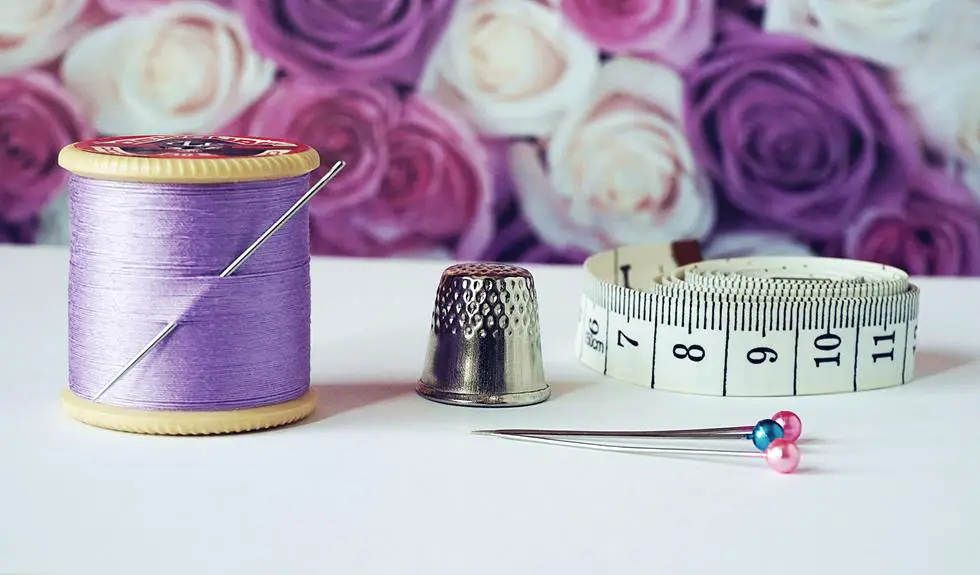
You might not think of pins as more than just tools, but their potential in fabric art is truly remarkable. By layering pins or clustering them, you can create depth and focal points that elevate your designs. Experimenting with different materials opens doors to new textures and contrasts, transforming ordinary fabric into something extraordinary. Have you considered how innovative pin displays could change your approach? The possibilities are endless, and exploring these ideas could lead to unexpected results that redefine your artistic expression.
Key Takeaways
- Experiment with diverse pin materials to enhance fabric textures and colors, creating visually striking contrasts in your artwork.
- Utilize pins to create dynamic patterns and outlines, adding depth and dimension to your fabric art designs.
- Layer pins at varying heights to achieve a three-dimensional effect, transforming flat fabric into tactile landscapes.
- Cluster pins in specific areas to form unique shapes or mini sculptures, turning functional elements into bold artistic statements.
Decorative Pin Techniques
Incorporating decorative pins into your fabric art can elevate your projects and add unique flair. You can use these pins not just for fastening but as striking focal points. Start by selecting a variety of pins that complement your fabric's colors and textures. Metal, glass, or even wooden pins can create different moods and styles.
One effective technique is to cluster pins together in specific areas, drawing attention to certain details of your artwork. For instance, you might group a few pins at the corner of a quilt or the center of a fabric flower. This can create a visually appealing arrangement that enhances your design.
Another technique is to use pins in unexpected ways. Instead of keeping them strictly functional, consider using them to create patterns or outlines. You could outline a shape or design with pins, adding depth and dimension to your fabric.
Lastly, think about layering. By placing pins at different heights or angles, you can create an intriguing 3D effect. Experiment with various placements, and don't be afraid to let your creativity guide you! The right decorative pins can transform your fabric art into something truly extraordinary.
Pinning for Texture
Using pins to create texture in your fabric art can add depth and interest, transforming flat surfaces into dynamic, tactile landscapes. You can achieve this by varying the depth and angle at which you insert your pins. For example, using longer pins can create raised areas, while shorter ones can provide subtle texture. Experiment with different materials like felt or denim, as they react uniquely to your pinning technique.
To evoke emotion in your audience, think about how texture can convey feelings. Consider the following table:
| Texture Type | Emotional Impact |
|---|---|
| Smooth | Calm and serene |
| Rough | Raw and unrefined |
| Bumpy | Playful and whimsical |
| Soft | Warm and inviting |
| Jagged | Tension and chaos |
When you use pins thoughtfully, you're not just creating art; you're telling a story through texture. Your audience will feel the emotions you infuse into your work, sparking connections and evoking memories. So, grab those pins, and start experimenting!
Creating Unique Patterns
When you're creating unique patterns in fabric art, layering can add depth and intrigue to your designs.
Experimenting with geometric shapes can break the monotony and introduce a modern flair.
Don't forget about color blocking techniques, as they can transform your piece into a striking visual statement.
Layering for Depth
Layering multiple fabric pieces with strategically placed pins can create stunning patterns that add depth and visual interest to your art. By overlapping different textures and colors, you can produce a captivating three-dimensional effect. This technique not only enhances the aesthetic appeal but also invites viewers to explore your work more closely.
To effectively layer fabrics, consider the following elements:
| Fabric Type | Color Scheme | Texture |
|---|---|---|
| Cotton | Bold & Bright | Smooth |
| Velvet | Pastels | Plush |
| Linen | Earth Tones | Rough |
Start with a base layer of fabric, then add layers on top, pinning them in place. Experiment with varying fabric types, colors, and textures. You might find that a soft, smooth cotton paired with a plush velvet creates a striking contrast. Don't be afraid to rearrange or change your layers until you're satisfied with the composition.
Incorporating these techniques allows your fabric art to stand out, making it a more dynamic and engaging piece. So grab your fabrics, pins, and let your creativity flow!
Geometric Shapes Exploration
Exploring geometric shapes can add a fresh dimension to your fabric art, allowing you to create unique patterns that capture attention and spark conversation. Start by gathering various pins and fabrics in different shapes like triangles, squares, and circles. Experiment with arranging these shapes in a way that intrigues the eye.
You can layer the pins to create depth; for instance, pin different-sized circles on top of each other. This technique not only adds complexity but also invites viewers to explore the piece more closely. Try using contrasting shapes together—like sharp triangles next to soft curves—to create a striking visual tension.
Don't forget to play with scale. Large shapes can dominate a piece, while smaller ones can add subtle details that enhance the overall composition. As you pin these shapes onto your fabric, think about how they interact with one another. You might find that rotating or flipping a shape can lead to unexpected results.
Ultimately, using geometric shapes in your fabric art opens up a world of possibilities. So grab those pins and start crafting patterns that aren't only unique but also a true reflection of your creative vision!
Color Blocking Techniques
Color blocking offers a vibrant way to create striking patterns in your fabric art, allowing you to combine bold hues and shapes for an eye-catching effect. To get started, choose a color palette that excites you. Think about how different colors interact: complementary colors can create contrast, while analogous colors offer harmony.
Once you've selected your colors, sketch a layout on paper. This helps visualize how the blocks will fit together. Use pins to hold your fabric pieces in place, ensuring they stay aligned while you sew. Don't hesitate to experiment with various shapes—triangles, rectangles, or even circles can bring unique flair to your design.
As you pin each piece, consider the scale of your blocks. Larger blocks create a bold statement, while smaller ones can add subtle interest. When you're satisfied with your arrangement, sew the blocks together, keeping a consistent seam allowance.
Utilizing Pins in Quilting
When you're quilting, using pins effectively can make a significant difference in ensuring your fabric pieces align seamlessly. Proper pinning helps to prevent shifting and distortion, leading to cleaner seams and a more polished final project.
Here are three key techniques to enhance your pinning process:
- Use the Right Pins: Choose pins that are specifically designed for quilting. These are typically longer and sturdier, making it easier to hold multiple layers of fabric without bending.
- Pin Strategically: Place pins perpendicular to the seam line, spacing them about every 4-6 inches. This allows you to easily remove them as you sew and minimizes the risk of hitting a pin with your sewing machine needle.
- Baste for Precision: If you're working with particularly tricky pieces, consider basting with long stitches before pinning. This temporary stitching will hold your fabric in place and provide extra security, ensuring everything stays aligned as you sew.
Pins as Art Elements
Incorporating pins into your fabric art can elevate your designs, adding texture and visual interest that draws the eye. You can use pins not just for practical purposes, but also as bold artistic statements. Think about how their colors, shapes, and sizes can contribute to your overall aesthetic. For instance, contrasting bright pins against muted fabrics creates a striking focal point, while monochromatic pins can enhance a subtle, sophisticated look.
Experiment with various pin placements to create depth. Imagine layering different fabrics, then using pins to anchor some areas while allowing others to flow freely. This technique adds movement and dimension, transforming flat pieces into dynamic works of art. You could also cluster pins together to form unique patterns or shapes, turning them into mini sculptures that coexist with your fabric.
Don't shy away from mixing materials, either. Pairing metal pins with soft textiles can create a compelling juxtaposition. As you explore these possibilities, remember that your choices should reflect your personal style. Embrace the versatility of pins, and let them become integral elements of your fabric art, enhancing both its beauty and your creative expression.
Innovative Pin Displays
Discovering innovative ways to display pins can transform them into eye-catching focal points in your fabric art. Instead of simply using pins as functional tools, you can creatively showcase them, making them an integral part of your piece. Here are three ideas to get you started:
- Shadow Boxes: Create a shadow box that highlights your pins against a textured background. Use fabric scraps or contrasting colors to make the pins pop. This adds depth and dimension, drawing attention to each pin.
- Fabric Boards: Use a corkboard or fabric-covered board to arrange your pins in a visually appealing pattern. You can change the arrangement whenever you like, keeping your fabric art fresh and dynamic.
- Wearable Art: Incorporate your pins into garments or accessories. Sew them onto a jacket, bag, or hat, turning everyday items into personalized statements. This not only showcases your pins but also adds a unique flair to your wardrobe.
Frequently Asked Questions
What Types of Pins Are Best for Fabric Art Projects?
For fabric art projects, you'll want to use straight pins, safety pins, or quilting pins. Each type holds fabric securely while allowing you to manipulate and layer materials easily without damaging them. Choose based on your project needs.
How Do I Prevent Fabric From Getting Damaged by Pins?
To prevent fabric damage from pins, use fine, sharp pins that minimize holes. Always pin through fabric's seam allowance or less visible areas, and avoid excessive force when inserting or removing pins to protect your material.
Can I Use Pins on Delicate Fabrics Like Silk?
Yes, you can use pins on delicate fabrics like silk, but be careful. Opt for finer, sharp pins to minimize damage. Always test on a small area first to ensure you don't create holes or snags.
Are There Alternatives to Pins for Fabric Art?
Yes, there are several alternatives to pins for fabric art. You can use fabric clips, basting stitches, or double-sided tape. These options can hold your fabric securely without damaging delicate materials or leaving holes.
How Do I Safely Store My Pins?
To safely store your pins, use a magnetic pin holder or a dedicated pin cushion. Keep them organized in a container with a lid, preventing accidents and ensuring they're easy to access when you need them.