
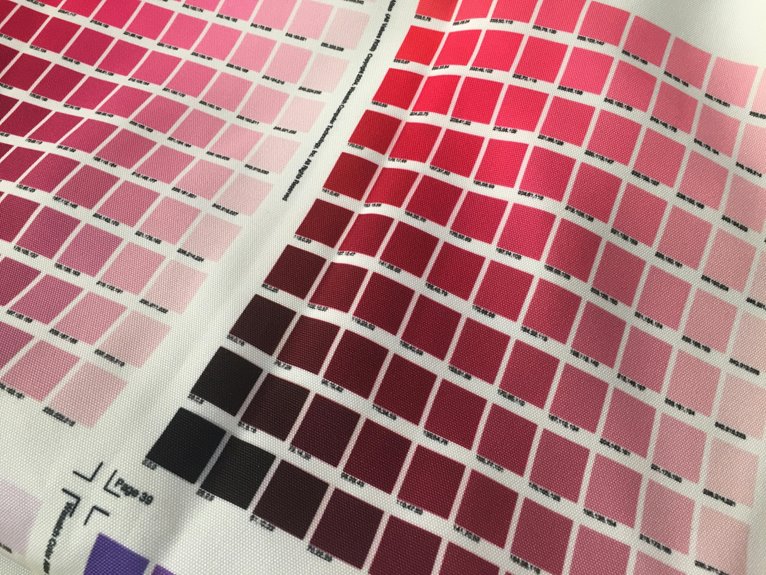
When choosing between fiber reactive and all-purpose dyes, consider your fabric and desired results. Fiber reactive dyes bond permanently to natural fibers like cotton, giving vibrant, long-lasting colors that resist fading. All-purpose dyes work on various fabrics, including synthetics, but offer less colorfastness and brightness. Fiber reactive dyes need more careful handling, while all-purpose dyes are simpler to use. If you want to understand their differences better and make the best choice, explore how each works and their impacts.
Key Takeaways
- Fiber reactive dyes chemically bond with natural fibers, offering vibrant colors and excellent wash fastness, unlike all-purpose dyes.
- All-purpose dyes work on various fabrics, including synthetics, but provide less durable and less vivid coloration than fiber reactive dyes.
- Fiber reactive dyes require alkaline conditions and precise handling, while all-purpose dyes are simpler to apply in hot water.
- Fiber reactive dyes are more eco-friendly with lower toxicity and less water usage compared to the often chemically intensive all-purpose dyes.
- Choosing fiber reactive dyes suits professional, long-lasting projects on cotton or linen; all-purpose dyes are better for casual, mixed-fabric dyeing.
What Are Fiber Reactive Dyes?
Although you mightn’t realize it, fiber reactive dyes are a popular choice for dyeing natural fibers like cotton and linen. When you use these dyes, they form a strong chemical bond with the fiber’s cellulose, making the color long-lasting and vibrant.
You’ll find that fiber reactive dyes are water-soluble and require an alkaline environment, usually created with soda ash, to fix the color. This process guarantees your fabric won’t easily fade or wash out.
These dyes are especially good if you want bright, clear colors and excellent wash fastness. If you’re aiming for professional-quality results on natural fibers, fiber reactive dyes give you durability and brilliance that other dyes often can’t match.
For vibrant, durable colors on natural fibers, fiber reactive dyes deliver unmatched brilliance and wash fastness.
They’re your go-to for vibrant, lasting fabric coloring.
What Are All-Purpose Dyes?
All-purpose dyes are a blend designed to work on a variety of fabrics like cotton, polyester, and blends.
You’ll find they contain both acid and fiber-reactive dye components to cover different material types.
This versatility makes them a popular choice if you’re dyeing mixed fabrics or want a simple, one-step process.
Definition and Composition
When you want a versatile option for dyeing various fabrics, all-purpose dyes offer a convenient solution.
These dyes are typically a blend of different dye types, mainly acid, direct, and fiber reactive dyes, designed to work on multiple fibers like cotton, wool, and nylon.
Unlike fiber reactive dyes that chemically bond with cellulose fibers, all-purpose dyes rely on a mix of chemical reactions and physical absorption, making them less specialized but more adaptable.
Their composition often includes colorants combined with salt and other additives to help the dye fix onto fabrics during the dyeing process.
While they don’t create as permanent or vibrant a color as fiber reactive dyes on some fibers, their broad compatibility and ease of use make them a popular choice for general home dyeing projects.
Typical Fabric Uses
You’ll find all-purpose dyes work well on a variety of common fabrics like cotton, wool, nylon, and rayon.
When you want to dye everyday clothing or household items, these dyes offer flexibility since they bond moderately well with both natural and synthetic fibers.
If you’re dyeing mixed-fiber garments, all-purpose dyes are a convenient choice because they simplify the process by covering multiple materials in one go.
However, they work best on fabrics that aren’t heavily treated or coated.
Keep in mind, while all-purpose dyes suit casual projects, they don’t provide the long-lasting, vibrant colors that fiber reactive dyes deliver on cotton.
Still, for quick touch-ups or craft projects involving varied fabric types, all-purpose dyes are a practical, accessible option you can rely on.
How Fiber Reactive Dyes Work
You’ll find that fiber reactive dyes work by forming a strong chemical bond with the fabric’s fibers, making the color last longer.
The dyeing process involves specific steps like soaking the fabric, applying the dye, and setting it with soda ash.
Understanding these steps helps you get vibrant, long-lasting results every time.
Chemical Bond Formation
Fiber reactive dyes bond directly with the fibers in your fabric, creating a strong, permanent connection. They achieve this by forming covalent bonds with the cellulose molecules in natural fibers like cotton.
When you apply these dyes under alkaline conditions, their reactive groups chemically link to the hydroxyl groups in the fiber, fundamentally becoming part of the fabric itself. This chemical bond is what makes fiber reactive dyes so colorfast and resistant to washing and fading.
Unlike all-purpose dyes, which rely mostly on weaker physical adherence, fiber reactive dyes create a durable molecular attachment. This means the color won’t easily wash away or bleed, giving you vibrant, long-lasting results.
Understanding this bond helps you appreciate why fiber reactive dyes are preferred for certain fabric projects.
Dyeing Process Steps
Mastering the dyeing process involves several key steps that guarantee vibrant, lasting colors with fiber reactive dyes.
First, you prepare your fabric by washing it thoroughly to remove any finishes or oils that could block dye absorption.
Next, you mix the dye with water and add soda ash, which raises the pH and activates the dye’s chemical bonding with the fibers.
Then, you immerse your fabric in the dye bath, confirming even exposure.
After soaking for the recommended time, you rinse the fabric to remove excess dye and prevent bleeding.
Finally, you wash the fabric with a mild detergent to set the color.
Following these steps carefully guarantees deep, permanent coloration that outperforms all-purpose dyes.
How All-Purpose Dyes Work
Although all-purpose dyes don’t form a permanent bond with fabric fibers, they still color your materials by penetrating the surface and adhering through direct absorption. You’ll notice these dyes soak into the fabric, but the bond isn’t as strong as with fiber reactive dyes. This means the color might fade faster, especially after repeated washing. You usually apply all-purpose dyes in hot water, which opens up fiber scales for better absorption.
Here’s a quick look at how all-purpose dyes work:
| Feature | Description |
|---|---|
| Bond Type | Physical absorption |
| Application Method | Hot water immersion |
| Colorfastness | Moderate; may fade over time |
Understanding this helps you decide when all-purpose dyes fit your project best.
Fabric Compatibility for Each Dye Type
When choosing dyes, you’ll want to contemplate the type of fabric you’re working with, as each dye reacts differently depending on the material’s fiber content.
Fiber reactive dyes are your best bet for natural fibers like cotton, linen, and rayon because they form a strong chemical bond with cellulose fibers. This guarantees vibrant, long-lasting colors.
On the other hand, all-purpose dyes work on a wider range of fabrics, including cotton, wool, nylon, and silk, but they rely more on absorption than a chemical bond. However, they may not produce as vivid or durable results on natural fibers compared to fiber reactive dyes.
If you’re dyeing synthetic fabrics, all-purpose dyes generally perform better, while fiber reactive dyes are limited to plant-based fibers.
Choose accordingly for best results.
Colorfastness and Durability Comparison
Understanding how each dye interacts with different fabrics helps set expectations for color longevity and wear.
When you use fiber reactive dyes, you get excellent colorfastness because they form a strong chemical bond with cellulose fibers like cotton. This means your colors stay vibrant through multiple washes and resist fading from sunlight.
On the other hand, all-purpose dyes don’t bond as deeply; they mainly sit on the fabric’s surface. As a result, you might notice quicker fading and less durability, especially on natural fibers.
If you want long-lasting colors that endure regular wear and washing, fiber reactive dyes are the better choice. However, if your project is short-term or involves mixed fabric types, all-purpose dyes can still deliver decent results, though with less durability.
Ease of Use and Application Techniques
How easy a dye is to use can make a big difference in your project’s success. Fiber reactive dyes require a bit more preparation, like mixing with soda ash and maintaining specific temperatures.
Ease of use impacts your project; fiber reactive dyes need prep like soda ash mixing and precise temperature control.
But once you get the hang of it, they offer vibrant, long-lasting results. You’ll need to follow precise steps to guarantee the dye bonds properly with the fabric.
All-purpose dyes, on the other hand, are more straightforward. You can often just dissolve them in hot water and apply directly, making them great for quick, less demanding projects.
While they’re user-friendly, they mightn’t give you the same depth or durability as fiber reactive dyes. Ultimately, your choice depends on how much time and effort you want to invest in the dyeing process.
Environmental Impact and Safety Considerations
Although both fiber reactive and all-purpose dyes serve their purposes well, they differ markedly in their environmental impact and safety.
Fiber reactive dyes bond chemically with fibers, requiring less water and producing less waste, making them more eco-friendly. You’ll also find they’re generally safer to handle, with fewer harmful chemicals and lower toxicity.
All-purpose dyes, on the other hand, often contain heavy metals and synthetic chemicals that can pollute water sources if not disposed of properly. They may also require more water and energy to rinse out thoroughly.
When working with either type, always wear gloves and work in a well-ventilated area to minimize exposure. Paying attention to these factors helps you protect your health and the environment while dyeing.
Choosing the Right Dye for Your Project
Considering the environmental and safety aspects of each dye type helps you make a more informed choice for your project.
If you want vibrant, long-lasting colors on natural fibers like cotton or linen, fiber reactive dyes are your best bet. They form a strong bond with the fabric, ensuring wash-fast results.
On the other hand, if you’re dyeing synthetic fabrics or need a quick, simple process, all-purpose dyes offer versatility but may fade faster.
Also, think about your workspace and safety—fiber reactive dyes require careful handling and precise measurements, while all-purpose dyes are easier for beginners.
Ultimately, match the dye type to your fabric, desired durability, and comfort level with the process to get the results you want without unnecessary hassle.
Frequently Asked Questions
Can Fiber Reactive Dyes Be Used on Synthetic Fabrics?
You can’t use fiber reactive dyes effectively on synthetic fabrics because they bond with natural fibers like cotton. For synthetics, you’ll need dyes specifically designed for them, ensuring bright, lasting colors without fading or bleeding.
Do All-Purpose Dyes Require Heat for Setting Color?
You don’t always need heat for all-purpose dyes, but you usually do. You either boil, simmer, or soak the fabric to help set color. You follow instructions closely to get vibrant, lasting results every time.
Are Fiber Reactive Dyes Safe for Children’s Clothing?
You can use fiber reactive dyes safely for children’s clothing because they bond well with natural fibers and are generally non-toxic once set. Just follow instructions carefully to guarantee the dye fully fixes and rinses thoroughly.
Can All-Purpose Dyes Be Mixed to Create Custom Colors?
You want vibrant hues, unique shades, and endless creativity. You can mix all-purpose dyes to create custom colors, but expect less colorfastness and vibrancy compared to specialized dyes. Experiment boldly, but prepare for some fading.
How Long Do Dyed Fabrics Typically Retain Their Vibrancy?
Your dyed fabric usually keeps its vibrancy for several months to a few years, depending on factors like dye quality, fabric type, and washing care. Proper care, like gentle washing, helps maintain those bright colors longer.