
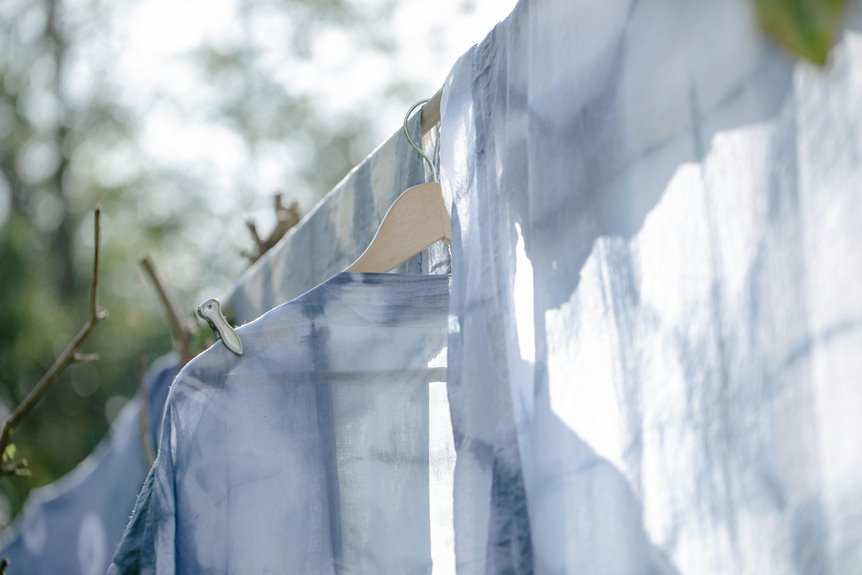
You can wash nonwoven polypropylene fabric, but you need to be gentle to maintain its shape and strength. Use cool or lukewarm water and hand-wash or choose a delicate machine cycle with mild soap. Avoid hot water, high heat, harsh chemicals, and vigorous scrubbing because these can damage the fabric. Always air dry away from direct sunlight or heat sources to keep it in good condition. If you want tips on cleaning and caring for this fabric properly, keep exploring more details.
Key Takeaways
- Nonwoven polypropylene fabric can be hand-washed gently in cool or lukewarm water without vigorous scrubbing to avoid damage.
- Machine washing on a delicate, cold water cycle inside a mesh bag is possible but may reduce fabric lifespan.
- Avoid using hot water, bleach, harsh detergents, and high heat drying to prevent warping or melting.
- Air dry the fabric flat or hang away from direct sunlight and heat sources to maintain integrity.
- Frequent washing degrades fabric strength and performance; inspect regularly and replace when showing wear or damage.
What Is Nonwoven Polypropylene Fabric?
Nonwoven polypropylene fabric is a type of material made by bonding polypropylene fibers together without weaving or knitting. When you handle it, you’ll notice it feels lightweight yet durable.
Unlike traditional textiles, this fabric’s fibers are randomly arranged and bonded through heat, chemicals, or pressure, which gives it unique strength and flexibility. You’ll find it repels moisture well and resists stretching or tearing easily.
Because it’s made from polypropylene, it’s naturally resistant to many chemicals and doesn’t absorb water, making it quick-drying. This fabric’s structure also makes it breathable, so it doesn’t trap heat.
When you get familiar with nonwoven polypropylene, you’ll appreciate how its design supports various practical applications while staying simple and efficient.
Common Uses of Nonwoven Polypropylene
Because it combines durability with lightweight breathability, polypropylene fabric finds its way into many everyday items you use. You’ll often see it in reusable shopping bags, medical masks, and even upholstery. Its resistance to water and chemicals makes it perfect for protective gear and disposable hygiene products. Here’s a quick look at some common uses:
| Item Type | Typical Use Case |
|---|---|
| Reusable Bags | Grocery shopping and carrying |
| Medical Supplies | Masks, gowns, and surgical drapes |
| Household Items | Furniture covers, upholstery |
Knowing where you encounter nonwoven polypropylene helps you understand why its cleaning needs differ from other fabrics, especially when you want to maintain its functionality.
Properties That Affect Cleaning Methods
Understanding the unique properties of polypropylene fabric will help you choose the right cleaning methods and avoid damaging it.
Polypropylene is hydrophobic, meaning it repels water, so it dries quickly but resists absorbing detergents. This affects how you clean stains and dirt since harsh scrubbing won’t penetrate easily.
Polypropylene repels water, dries fast, and resists detergent absorption, making stain removal more challenging.
The fabric’s low melting point—around 160°C (320°F)—means you should avoid hot water or high-heat drying, or it could warp or shrink.
Also, polypropylene resists many chemicals, so mild soaps work best without degrading the fibers.
Its lightweight, nonwoven structure can be delicate, so aggressive agitation or wringing could cause tears or deformation.
Keeping these properties in mind guarantees you’ll maintain the fabric’s integrity during cleaning.
Recommended Washing Techniques
Keeping the fabric’s sensitivity in mind, you should approach washing polypropylene with gentle techniques.
Start by hand-washing the fabric in cool or lukewarm water to avoid warping or melting the fibers. Agitate it softly, avoiding vigorous scrubbing or wringing, which can damage the structure.
If you choose machine washing, use a delicate cycle with cold water and place the fabric inside a mesh laundry bag for extra protection. Avoid high spin speeds to reduce stress on the fibers.
After washing, air dry the fabric flat or hang it away from direct sunlight and heat sources, as excessive heat can deform polypropylene. Avoid using a dryer to maintain the fabric’s integrity and longevity.
Detergents and Cleaning Agents to Use
When selecting detergents for nonwoven polypropylene, you should opt for mild, fragrance-free options that won’t break down the fibers. Harsh chemicals or strong fragrances can weaken the fabric’s structure. Instead, choose gentle detergents that clean effectively without causing damage. Here’s a quick guide to detergents and cleaning agents you can use:
| Detergent Type | Suitable For | Notes |
|---|---|---|
| Mild Liquid Soap | Light stains | Avoid additives |
| Fragrance-Free | Sensitive fabrics | Prevents fiber degradation |
| Gentle Powder | Heavier dirt | Use sparingly |
Stick to these to keep your nonwoven polypropylene clean and in good shape after each wash.
What to Avoid When Washing Nonwoven Polypropylene
You’ll want to avoid exposing nonwoven polypropylene to high heat because it can warp or melt the fabric.
Steer clear of harsh chemicals that might break down the fibers and reduce durability.
Keeping these risks in mind helps you maintain the fabric’s quality longer.
Heat Damage Risks
Although nonwoven polypropylene fabric is durable, exposing it to high heat can cause irreversible damage. You need to be cautious when dealing with temperatures during washing or drying.
Here’s what to avoid:
- Using hot water cycles in your washing machine—stick to cold or lukewarm water instead.
- Placing the fabric in a dryer set to high heat; air-drying is safer.
- Ironing the fabric, since direct heat can melt or deform it.
- Leaving it near heat sources like radiators or direct sunlight for prolonged periods.
Harsh Chemical Effects
Since harsh chemicals can degrade nonwoven polypropylene fabric, you should avoid using bleach, strong detergents, or fabric softeners when washing it. These substances can weaken the fibers, cause discoloration, and reduce the fabric’s lifespan. Instead, opt for mild soaps and gentle washing methods to maintain its integrity.
Here’s a quick guide on what to avoid:
| Chemical Type | Effect on Polypropylene |
|---|---|
| Bleach | Fiber weakening, discoloration |
| Strong Detergents | Breakdown of fiber structure |
| Fabric Softeners | Coating buildup, reduced breathability |
Drying and Maintenance Tips
When drying nonwoven polypropylene fabric, it’s best to air dry it flat or hang it up to maintain its shape and strength.
Avoid using high heat or tumble drying, as this can cause the fabric to warp or shrink.
To keep your fabric in top condition, follow these tips:
- Lay the fabric flat on a clean surface or hang it in a well-ventilated area.
- Keep it out of direct sunlight to prevent fading or degradation.
- Avoid wringing or twisting the fabric, which can damage the fibers.
- Store the fabric in a dry, cool place to prevent mold or mildew growth.
Signs Your Fabric Needs Replacement
If you notice visible wear and tear on your nonwoven polypropylene fabric, it’s a clear sign it’s time to replace it.
When the fabric loses its strength or starts to fray, it no longer offers the protection or durability you need.
Don’t wait until the damage worsens—swap it out as soon as you spot these issues.
Visible Wear and Tear
Though nonwoven polypropylene fabric is durable, you’ll notice signs of visible wear and tear that indicate it’s time to replace it.
These signs mean your fabric’s protective qualities might be compromised, even if it still looks usable. Keep an eye out for:
- Fraying edges – Threads unraveling or edges becoming rough signal weakening.
- Surface pilling – Small fiber balls forming on the fabric surface show abrasion.
- Discoloration – Fading or uneven color suggests prolonged exposure to sunlight or chemicals.
- Snags and tears – Small holes or pulls that grow worse with use reduce fabric effectiveness.
When you spot these, it’s best to switch to fresh fabric rather than risk reduced performance or safety.
Loss of Fabric Integrity
As you continue using nonwoven polypropylene fabric, its structural strength can weaken, compromising its protective function. When the fabric loses integrity, it won’t provide the same level of filtration or durability. You’ll notice it becoming thinner, less flexible, or developing small holes that reduce effectiveness. This degradation means it’s time to replace the fabric rather than wash it repeatedly.
Here are key signs your fabric’s integrity is compromised:
| Sign | What It Indicates |
|---|---|
| Thinning | Reduced material strength |
| Small holes or tears | Loss of barrier protection |
| Stiffness or brittleness | Material breakdown |
| Uneven texture | Fiber separation or damage |
If you spot any of these, replace the fabric to maintain safety and performance.
Frequently Asked Questions
Is Nonwoven Polypropylene Fabric Recyclable After Use?
Wondering if nonwoven polypropylene fabric is recyclable after use? You can recycle it, but availability depends on local facilities. Check with your recycling center to verify they accept this material before tossing it in the bin.
Can Nonwoven Polypropylene Fabric Be Dyed or Printed On?
You can dye or print on nonwoven polypropylene fabric, but it’s challenging due to its low absorbency. Using special inks or surface treatments helps achieve better color adhesion and vibrant, lasting designs on this material.
How Long Does Nonwoven Polypropylene Fabric Typically Last?
You’d expect lightweight nonwoven polypropylene fabric to wear out quickly, but it often lasts 1 to 3 years depending on use and exposure. Its durability contrasts with its delicate feel, surprising many users like you.
Are Nonwoven Polypropylene Fabrics Biodegradable?
Nonwoven polypropylene fabrics aren’t biodegradable, so they won’t break down quickly in the environment. You should recycle or dispose of them responsibly to reduce environmental impact since they can persist for many years if left in landfills.
What Are the Environmental Impacts of Producing Nonwoven Polypropylene?
You should know producing nonwoven polypropylene consumes fossil fuels and emits greenhouse gases. It generates plastic waste that’s hard to recycle, contributing to environmental pollution. Choosing sustainable alternatives helps reduce your ecological footprint considerably.