
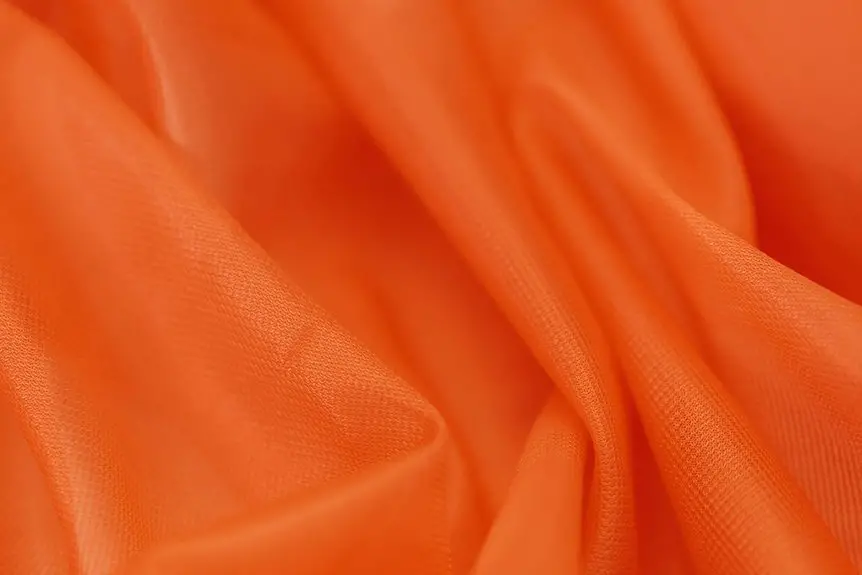
You can definitely use nonwoven fabric for upholstery since it offers durability, comfort, and breathability, making it ideal for everyday furniture. It’s lighter and more flexible than traditional materials, with options for water resistance and flame retardancy. Plus, it comes in many colors and patterns to match your style. Maintenance is simple with regular vacuuming and spot cleaning. If you want to explore how it compares to other fabrics and its sustainability benefits, there’s more to discover.
Key Takeaways
- Nonwoven fabric can be used for upholstery due to its strength, durability, and comfort suitable for light to medium-use furniture.
- It offers excellent breathability, enhancing seating comfort by preventing moisture buildup compared to traditional materials.
- Nonwoven fabrics are customizable in color, pattern, and texture, fitting various interior design styles from contemporary to bohemian.
- Maintenance involves regular vacuuming, spot cleaning with mild soap, and avoiding harsh chemicals to preserve fabric quality.
- Environmental impact is lower with options made from recycled or biodegradable fibers, using less water and energy in production.
Understanding Nonwoven Fabric: Composition and Manufacturing
Nonwoven fabric combines fibers bonded together without weaving or knitting, creating a versatile material used in upholstery.
When you explore its composition, you’ll find fibers like polyester, polypropylene, or natural fibers arranged randomly or in a specific orientation. These fibers aren’t interlaced like traditional fabrics but are held together through bonding methods.
You’ll encounter three primary manufacturing processes: mechanical, chemical, and thermal bonding. Mechanical bonding uses techniques such as needle punching to entangle fibers physically. Chemical bonding involves adhesives that glue fibers together, while thermal bonding melts fibers to fuse them.
This combination of fibers and bonding techniques gives nonwoven fabric its unique structure. Understanding this helps you appreciate why it’s a practical choice for upholstery projects needing durability and flexibility.
Key Properties of Nonwoven Fabric Relevant to Upholstery
When selecting fabric for upholstery, you want materials that offer strength, comfort, and durability. Nonwoven fabrics provide these key properties, making them a practical choice. They resist tearing, offer breathability, and maintain shape under pressure.
| Property | Benefit for Upholstery |
|---|---|
| Strength | Withstands daily wear and tear |
| Comfort | Soft texture enhances seating |
| Durability | Long-lasting without degrading |
| Breathability | Prevents moisture buildup |
These features guarantee your upholstery stays functional and attractive over time. You’ll appreciate nonwoven fabric’s balance between resilience and comfort, making it suitable for various furniture types without sacrificing quality or feel.
Comparing Nonwoven Fabric With Traditional Upholstery Materials
Although traditional upholstery materials like leather and woven fabrics have long been popular, you’ll find that nonwoven fabrics offer unique advantages that might better suit your needs.
Nonwovens are generally lighter and more flexible, making them easier to handle and install. They also provide excellent breathability, which can enhance comfort in seating. Unlike woven fabrics, nonwovens can be engineered with specific properties like water resistance or flame retardancy right from production.
While leather offers a classic look and durability, it requires more maintenance and can be costly. Woven fabrics often show wear patterns and may fade over time.
Nonwoven options give you versatility in texture and design without sacrificing ease of care. Choosing nonwoven fabric could mean finding a practical, stylish alternative that fits your lifestyle and budget.
Durability and Wear Resistance of Nonwoven Upholstery
You’ll want to know how nonwoven upholstery stands up regarding tensile strength compared to traditional fabrics.
Its abrasion resistance levels play a big role in how well it handles daily wear and tear.
Let’s explore how long these materials last under constant stress to see if they meet your durability needs.
Tensile Strength Comparison
Since upholstery must endure constant use, understanding the tensile strength of nonwoven fabrics is essential for evaluating their durability and wear resistance.
When you compare nonwoven fabrics to traditional woven materials, you’ll notice they generally have lower tensile strength due to their bonding methods. However, advancements in manufacturing—like thermal bonding and chemical adhesives—have greatly improved their load-bearing capacity.
If you’re selecting upholstery fabric, consider that some nonwoven types can handle moderate stress without tearing, making them suitable for light to medium-use furniture.
Abrasion Resistance Levels
Tensile strength gives you an idea of how well nonwoven fabrics withstand pulling forces, but abrasion resistance tells you how they hold up against friction and surface wear.
When you choose nonwoven fabric for upholstery, you want it to resist rubbing and scuffing, especially in high-traffic areas. Nonwovens vary widely—some are engineered with tough fibers or additional coatings that boost abrasion resistance, while others may wear down faster.
You’ll find abrasion levels measured by standardized tests, like the Martindale or Wyzenbeek tests, which simulate repeated rubbing. The higher the cycle count before the fabric shows wear, the better it stands up to daily use.
Keep in mind, abrasion resistance is key to maintaining appearance and function, so pick fabrics rated for your specific upholstery demands.
Longevity Under Stress
Durability plays an essential role when selecting nonwoven fabrics for upholstery, especially in environments that face constant use and pressure. You want a material that stands up to stress without losing shape or integrity.
Nonwoven fabrics often feature strong fiber bonding, which helps resist tearing and stretching over time. However, their longevity depends on factors like fiber type, bonding method, and fabric thickness. When you choose the right nonwoven fabric, it can handle daily wear and maintain its appearance for years.
Consider these key points to guarantee longevity under stress:
- High tensile strength for resistance to pulling forces
- Effective bonding techniques to prevent fiber separation
- Resistance to abrasion and pilling
- Flexibility to withstand repeated bending
- Moisture resistance to avoid degradation
These qualities help your upholstery last longer without compromising comfort or style.
Comfort and Breathability Considerations
Although nonwoven fabrics are often chosen for their strength and affordability, you’ll find that their comfort and breathability play an essential role in upholstery applications. When you sit on furniture covered with nonwoven fabric, you want it to feel pleasant, not stifling.
Many nonwoven materials are engineered to allow air circulation, helping reduce heat buildup and moisture retention. This means you can enjoy comfortable seating even during long periods. However, not all nonwovens are equally breathable, so you’ll want to select those designed with ventilation in mind.
Also, consider how the fabric interacts with padding beneath it to guarantee overall comfort. By paying attention to these factors, you can use nonwoven fabric upholstery that feels as good as it looks.
Design and Aesthetic Possibilities With Nonwoven Fabric
You’ll find that nonwoven fabrics offer unique textures and visual appeal that can elevate any piece of furniture.
With a wide range of colors and patterns available, you can easily match your upholstery to your personal style.
This versatility makes nonwoven fabric a great choice for various interior design themes.
Texture and Visual Appeal
When you choose nonwoven fabric for upholstery, you open up a world of texture and visual appeal that traditional materials often can’t match.
This fabric offers unique tactile experiences and creative design opportunities, allowing you to customize your furniture’s look and feel.
You’ll find that nonwoven fabrics can range from soft and smooth to coarse and rugged, giving you versatility in your design choices.
Here’s what you can expect:
- Varied textures that add depth and interest
- Lightweight yet durable surfaces
- Matte or glossy finishes for subtle effects
- Ability to mimic natural fibers or create abstract patterns
- Enhanced three-dimensional appearance through layering techniques
Color and Pattern Options
Beyond texture, nonwoven fabrics offer a broad spectrum of color and pattern options that let you tailor your upholstery to any style.
Whether you want vibrant hues to energize a room or subtle tones for a calming effect, you’ll find choices that fit perfectly. Nonwoven materials can be dyed easily, enabling bold, uniform colors or delicate gradients that enhance your furniture’s look.
Patterns, from geometric shapes to organic designs, add personality without overwhelming your space. You can mix and match colors and patterns to create a unique statement piece or maintain a cohesive theme.
With these options, nonwoven fabric gives you the freedom to customize your upholstery, ensuring it complements your décor and expresses your individual taste effortlessly.
Versatility in Interior Styles
Although nonwoven fabrics may seem simple at first glance, they adapt seamlessly to a wide range of interior styles, letting you achieve the exact look you want.
Whether you’re aiming for modern minimalism or cozy rustic charm, nonwoven upholstery can fit right in. You can easily mix and match textures and colors to complement your décor, creating unique focal points or subtle accents. Their flexibility means you’re not limited by fabric type when designing your space.
Here’s how nonwoven fabric works with different styles:
- Contemporary: Sleek, smooth finishes enhance clean lines.
- Bohemian: Layered textures add warmth and character.
- Industrial: Durable surfaces suit raw, edgy designs.
- Scandinavian: Soft, muted tones promote calm simplicity.
- Eclectic: Bold colors and patterns bring energy and fun.
Maintenance and Cleaning of Nonwoven Upholstery
Since nonwoven upholstery combines durability with delicate fibers, you’ll need to approach its maintenance and cleaning carefully to preserve its texture and appearance.
Start by regularly vacuuming your furniture with a soft brush attachment to remove dust and debris without damaging the fabric.
For spills, blot immediately using a clean, dry cloth—avoid rubbing, which can push stains deeper.
Use mild soap and water for spot cleaning, testing first on a hidden area to verify colorfastness.
Avoid harsh chemicals or bleach, as they can weaken fibers and alter color.
If deeper cleaning is necessary, consider professional upholstery services familiar with nonwoven materials.
Environmental Impact and Sustainability of Nonwoven Materials
When you choose nonwoven materials for upholstery, you also influence environmental impact and sustainability. Nonwovens can be made from recycled fibers and require less water and energy during production compared to woven fabrics.
However, the environmental footprint depends on the type of fibers used—natural or synthetic—and their biodegradability. You should consider how these fabrics break down after disposal and whether they can be recycled or reused.
Keep these sustainability factors in mind:
- Use nonwovens made from recycled or renewable fibers
- Opt for biodegradable or compostable options
- Select products with low energy and water consumption in manufacturing
- Check for certifications indicating eco-friendly standards
- Explore take-back or recycling programs for upholstery materials
Frequently Asked Questions
Can Nonwoven Fabric Be Used Outdoors?
You can use nonwoven fabric outdoors, but it depends on the type. Some are water-resistant and UV-treated, making them suitable. However, others might degrade quickly, so always check the fabric’s specifications before using it outside.
Is Nonwoven Fabric Hypoallergenic?
You won’t sneeze a million times around nonwoven fabric because it’s hypoallergenic! It’s designed to keep allergens away, making it perfect if you want cozy, irritation-free comfort without sacrificing style or practicality.
How Does Nonwoven Fabric React to Fire?
You’ll find that nonwoven fabric’s fire reaction depends on its material; some melt or shrink quickly, while others resist flames better. Always check fire-retardant treatments, so you can guarantee safety in your specific application.
Can Nonwoven Fabric Be Recycled After Use?
Recycling nonwoven fabric isn’t always a walk in the park because it often combines different fibers. But you can recycle some types if you sort them properly and check local programs. Don’t toss them blindly!
What Are Common Industries Using Nonwoven Fabric Besides Upholstery?
You’ll find nonwoven fabric used widely in healthcare for masks and gowns, in automotive for insulation and filters, in agriculture as crop covers, and in hygiene products like diapers and wipes, making it incredibly versatile across industries.