
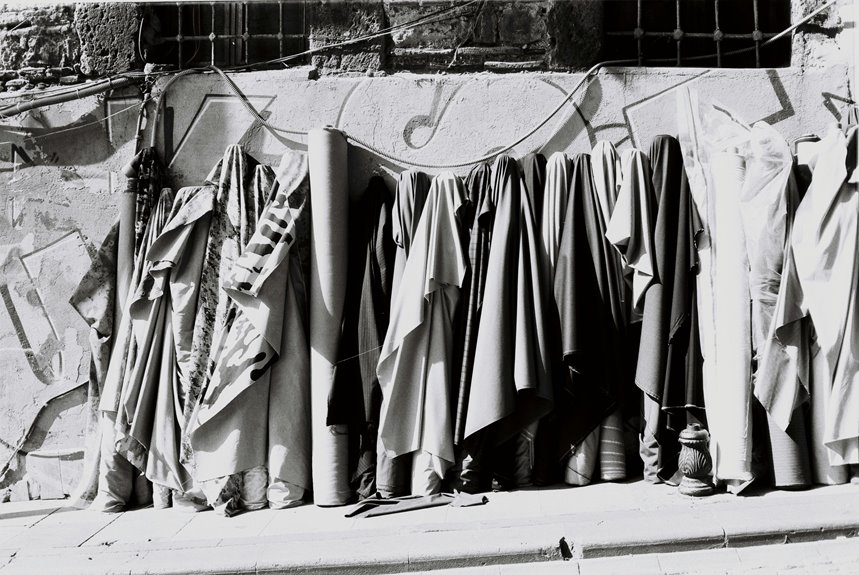
When sourcing fabrics from China’s wholesale online markets, you’ll find natural, synthetic, and blended options with varying weights and finishes. Verify suppliers by checking credentials, reviews, and requesting samples to guarantee quality and consistency. Use bulk buying to negotiate better prices and understand shipping methods like air or sea freight for cost and timing. Watch for quality control issues and communication barriers, but with smart strategies, you can secure great fabrics efficiently. Keep exploring to uncover expert tips and essential insights.
Key Takeaways
- Verify supplier credentials and reviews to ensure reliability when sourcing fabrics from China’s wholesale online markets.
- Request fabric samples to assess texture, color accuracy, and quality before placing bulk orders.
- Understand pricing structures, negotiate for bulk discounts, and consider seasonal price variations to optimize costs.
- Choose appropriate shipping methods (express, air, sea) and factor in customs duties and delivery times.
- Maintain clear communication, use translation tools if needed, and implement quality control checks to avoid inconsistencies.
Understanding the Types of Fabrics Available
When you explore China’s wholesale fabric markets, you’ll find a wide array of materials catering to every need.
Whether you’re after natural fibers like cotton, silk, or linen, or synthetic options such as polyester, nylon, or spandex, the choices are vast. You’ll also encounter blends that combine the best properties of different fabrics, offering durability, stretch, or breathability.
Explore natural fibers like cotton and silk or synthetics like polyester and spandex, plus versatile fabric blends.
Pay attention to the fabric weight, weave, and finish, as these factors impact your final product’s look and feel. From delicate chiffons to sturdy denim, the markets provide options for fashion, upholstery, or industrial use.
Understanding these types helps you select fabrics that match your project requirements, ensuring quality and functionality without compromise. Knowing your fabric basics sets a strong foundation for successful sourcing.
How to Identify Reliable Suppliers
Knowing the types of fabrics available is just the start; finding reliable suppliers is what assures you get quality materials consistently.
To identify trustworthy partners, focus on these key steps:
- Check Credentials: Verify their business license and certifications to assure legitimacy and compliance with industry standards.
- Review Feedback: Look at buyer reviews and ratings on platforms to gauge supplier reliability and product quality.
- Request Samples: Always ask for fabric samples before placing large orders to assess texture, color accuracy, and durability firsthand.
Pricing Strategies and Negotiation Tips
To get the best deals, you need to understand how pricing works in China’s fabric markets.
Knowing the cost breakdown helps you spot fair prices and avoid overpaying.
With the right negotiation tactics, you can confidently secure better terms and build strong supplier relationships.
Understanding Price Structures
Although price tags in China’s wholesale fabric markets provide a starting point, understanding the underlying price structures is essential for securing the best deals. Prices often reflect factors like material quality, order volume, and supplier margins.
To navigate this, focus on:
- Bulk Discounts – Suppliers usually offer lower rates for larger orders, so knowing your volume needs helps.
- Tiered Pricing – Prices may drop in stages as you hit specific quantity thresholds.
- Seasonal Variations – Fabric prices can fluctuate based on demand cycles and availability.
Effective Negotiation Techniques
When you enter China’s wholesale fabric markets, mastering negotiation techniques can considerably lower your costs and build strong supplier relationships.
Start by researching average prices to understand what’s reasonable. Always express genuine interest but avoid showing desperation, as this can weaken your bargaining position.
Don’t hesitate to ask for discounts on bulk orders or repeat purchases. Use silence strategically after stating your offer; it often prompts sellers to lower prices.
Be polite but firm, and remember that walking away can sometimes lead to better offers.
Also, consider negotiating payment terms or shipping costs to get more value.
Finally, building rapport with suppliers through consistent communication can open doors to exclusive deals and priority treatment.
Shipping and Logistics: What to Expect
When buying fabric wholesale from China, you’ll encounter various shipping options with different costs and speeds.
It’s important to understand delivery timeframes to plan your orders effectively.
You’ll also need to navigate customs clearance, which can impact how quickly your shipment arrives.
Shipping Options Overview
How do you navigate the complex world of shipping fabric from China’s wholesale markets?
First, you’ll want to understand the main shipping options available to you:
- Express Couriers – Fast and reliable for smaller shipments but pricier per kilogram.
- Air Freight – Ideal for medium-sized orders, balancing speed and cost.
- Sea Freight – Best for large volumes, offering the lowest cost but longer transit times.
Each option has pros and cons depending on your budget, order size, and urgency.
Don’t forget to check if your supplier offers shipping solutions or prefers specific carriers.
Also, factor in customs clearance and potential import duties to avoid surprises.
Delivery Timeframes Explained
Understanding delivery timeframes plays an essential role in planning your fabric orders effectively.
When ordering from China’s wholesale fabric markets, expect shipping times to vary based on your chosen method. Express courier services typically deliver within 3-7 days, making them ideal for urgent needs but at a higher cost. Standard air freight usually takes 7-15 days, balancing speed and affordability. Sea freight, while the most economical for bulk orders, can take 20-40 days depending on the port and route.
Keep in mind, processing times at the supplier’s end can add several days before shipment. Tracking options let you monitor your order’s progress, helping you stay informed.
Handling Customs Clearance
Although customs clearance can seem intimidating, you’ll find that knowing the basic requirements and procedures helps your shipments move smoothly through the process.
To handle customs clearance effectively, keep these key points in mind:
- Documentation: Confirm you have accurate invoices, packing lists, and certificates of origin. Missing or incorrect paperwork can cause delays.
- Duties and Taxes: Be aware of applicable tariffs and import taxes for fabrics. Calculate these costs beforehand to avoid surprises.
- Customs Broker: Consider hiring a customs broker who knows the rules and can expedite clearance, reducing your workload.
Quality Control and Sample Requests
When you shop in China’s wholesale fabric markets, ensuring product quality is essential, so you should always request samples before placing large orders.
Samples let you verify fabric texture, color accuracy, and durability firsthand. Don’t hesitate to ask suppliers about their quality control procedures to understand how they maintain standards during production.
Once you receive samples, check for consistency with your order specifications and look for defects. If you spot issues, communicate immediately to avoid costly mistakes.
Common Challenges and How to Overcome Them
Maneuvering through China’s wholesale fabric markets can throw some unexpected challenges your way, but knowing the common obstacles helps you prepare and respond effectively.
Here are three frequent issues and how you can tackle them:
Common challenges in China’s fabric markets and practical tips to overcome them effectively.
- Language Barriers: Use translation apps or hire a local agent to communicate clearly with suppliers and avoid misunderstandings.
- Quality Inconsistencies: Always request samples before placing large orders, and consider third-party inspections for added assurance.
- Payment Risks: Opt for secure payment methods like Alibaba Trade Assurance or PayPal to protect your transactions.
Frequently Asked Questions
What Payment Methods Are Safest for Online Fabric Purchases?
You want security, convenience, and speed. You should use PayPal, credit cards, or trusted escrow services. These methods protect your payment info, offer dispute resolution, and guarantee your fabric purchase goes smoothly and safely every time.
Are There Any Import Taxes or Duties on Fabric Shipments?
Yes, you’ll likely face import taxes or duties on fabric shipments depending on your country’s regulations. Check your local customs website to understand specific rates and rules before ordering to avoid unexpected costs or delays.
Can I Return or Exchange Fabrics if Unsatisfied?
You can return or exchange fabrics if unsatisfied, but policies vary by seller. Always check their return terms before purchasing, and keep communication clear to guarantee a smooth process and avoid misunderstandings or extra costs.
How Do I Handle Customs Clearance for Large Orders?
Oh, customs clearance? Just charm the officials with your dazzling paperwork and patience. Seriously, you’ll need accurate invoices, import licenses, and possibly a customs broker to navigate tariffs and regulations smoothly for your large orders.
What Are the Typical Delivery Times for Wholesale Fabric Orders?
Delivery times usually range from 7 to 21 days, depending on order size, fabric type, and shipping method. You’ll want to factor in processing and customs clearance, which can add a few extra days to the timeline.