
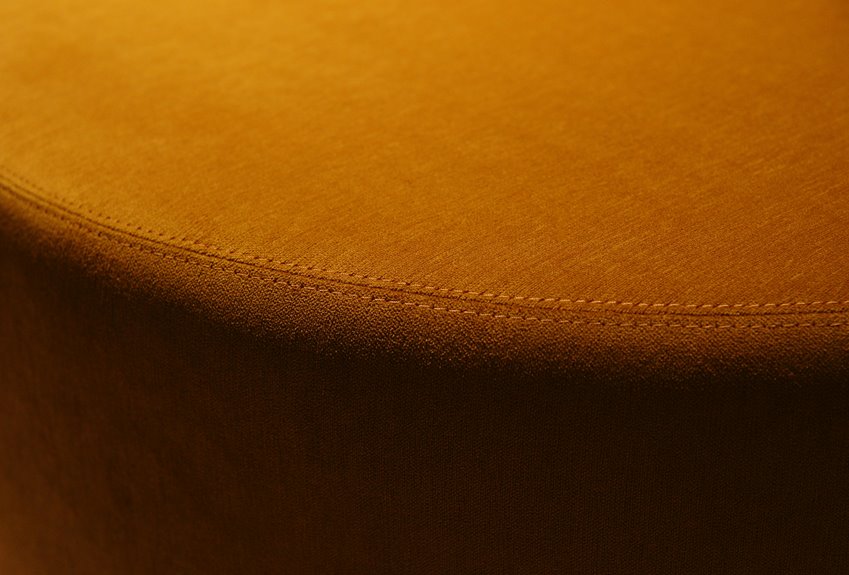
When choosing velvet for upholstery, go for synthetic blends like polyester or nylon—they offer great durability and stain resistance for high-traffic spaces. Crushed or embossed velvet adds stylish texture, while classic solid colors provide versatile elegance. Look for fabrics with high rub counts to guarantee they hold up over time. Regular care like gentle vacuuming keeps velvet looking fresh. If you want to discover the best fabrics and expert tips to match your style and needs, keep exploring these options.
Key Takeaways
- Choose synthetic velvet blends like polyester or nylon for superior durability, high rub counts, and better stain resistance in upholstery.
- Crushed and embossed velvets add unique texture and visual interest, while solid velvet offers versatile style options for various interiors.
- Cotton velvet provides softness and breathability but is less durable than synthetic options for heavy-use furniture.
- Regular care includes vacuuming with a soft brush, spot cleaning with mild detergent, and professional cleaning for deep stains to maintain velvet’s appearance.
- Test fabric samples under room lighting to ensure desired color and sheen, and select hues that complement your décor and hide stains well.
Understanding Velvet Fabric Types
Velvet fabric comes in various types, each with unique qualities that affect its look and feel. When choosing velvet for upholstery, you’ll encounter options like crushed velvet, which has a textured, shimmering surface created by twisting the fabric while wet.
Then, there’s cotton velvet, known for its softness and breathability, making your furniture comfortable and inviting. Silk velvet offers a luxurious sheen and smooth touch but tends to be less practical for heavy use.
Synthetic velvets, such as polyester or nylon blends, provide durability and stain resistance, making them more suitable for everyday furniture. Understanding these types helps you pick velvet that matches your style and usage needs without compromising comfort or aesthetics.
Assessing Durability for Upholstery Use
When you select fabric for upholstery, durability should be at the top of your list. You want velvet that can withstand daily wear without losing its plush texture or vibrant color.
Check the fabric’s rub count or double rub rating—higher numbers mean better resistance to abrasion. Look for velvet made from synthetic fibers like polyester or nylon; they tend to hold up better than natural fibers under heavy use.
Consider the weave tightness too; a dense weave adds strength and reduces pilling. Also, think about stain resistance, especially if you have kids or pets. Choosing velvet with a protective finish can make maintenance easier.
Popular Velvet Styles and Patterns
You’ll find velvet comes in classic patterns like stripes or florals, as well as modern textures that add depth to your furniture.
Deciding between patterned and solid velvet depends on the look you want to achieve.
Let’s explore how these styles can transform your upholstery.
Classic Velvet Patterns
Although many fabrics come in various patterns, velvet stands out with its rich textures and timeless designs.
When choosing classic velvet patterns for upholstery, you’ll often encounter damask, floral, and geometric motifs that add depth without overwhelming your space. These patterns enhance velvet’s natural sheen, creating a luxurious look that suits both vintage and traditional interiors.
You’ll appreciate how damask offers intricate, symmetrical designs, while floral patterns bring subtle elegance. Geometric patterns, on the other hand, provide a structured and balanced feel.
Opting for these classic patterns guarantees your furniture remains stylish and relevant for years. By selecting classic velvet patterns, you embrace sophistication and enduring appeal, making your upholstery a striking centerpiece in any room.
Modern Velvet Textures
Since modern velvet textures emphasize innovation, they bring fresh energy to upholstery designs.
You’ll notice these velvets often combine unique weaves and finishes, such as crushed velvet, panne velvet, and embossed velvet.
Crushed velvet, with its irregular sheen, adds depth and movement, perfect for creating a dynamic focal point.
Panne velvet’s smooth, shiny surface feels luxurious and contemporary, ideal if you want subtle sophistication.
Embossed velvet features raised patterns, offering tactile interest without overwhelming the space.
When you choose modern velvet textures, you’re not just picking a fabric—you’re selecting a style statement that blends comfort with cutting-edge design.
These textures elevate your furniture, making it stand out while maintaining the plush softness velvet is known for.
Patterned vs. Solid Velvet
When choosing velvet for upholstery, deciding between patterned and solid styles plays a crucial role in defining your space’s character. Solid velvet offers timeless elegance and versatility, easily blending with various decor. Patterned velvet, on the other hand, adds visual interest and can become a focal point in your room.
| Style | Pros | Best For |
|---|---|---|
| Solid Velvet | Classic, versatile, easy mix | Minimalist, modern spaces |
| Patterned Velvet | Adds texture, unique appeal | Statement pieces, eclectic rooms |
| Floral | Soft, romantic feel | Traditional or vintage looks |
| Geometric | Bold, contemporary | Modern, graphic interiors |
| Embossed | Luxurious, tactile | Formal or elegant settings |
Choose based on your room’s vibe and how much personality you want to inject.
Best Velvet Fabrics for High-Traffic Areas
Choosing the best velvet fabric for high-traffic areas means prioritizing durability without sacrificing style. You want velvet that withstands daily wear while maintaining its rich texture.
Look for velvets made from synthetic fibers like polyester or nylon, as they resist crushing and fading better than natural fibers. Additionally, opt for fabrics with a tight weave and higher rub count to guarantee longevity.
Consider these velvet fabric options for busy spaces:
- Polyester velvet: Durable, stain-resistant, and easy to clean
- Nylon-blend velvet: Strong and resilient against abrasion
- Microfiber velvet: Soft but tough, repels dirt effectively
- Chenille velvet: Dense texture, hides wear well
- Performance velvet: Treated for extra durability and stain resistance
These choices keep your upholstery looking fresh and elegant, even in high-traffic zones.
Caring for Velvet Upholstery
You’ll want to keep your velvet upholstery looking fresh by using the right cleaning techniques and maintenance tips.
Regularly brushing and spot-cleaning can prevent dirt buildup and preserve the fabric’s softness.
Let’s explore simple steps to help you care for your velvet furniture effectively.
Cleaning Techniques
Because velvet is delicate, caring for it properly guarantees your upholstery stays beautiful for years.
When cleaning velvet, you need to be gentle and precise to avoid crushing the pile or causing water stains. Always test any cleaning method on a hidden area first.
Here are key cleaning techniques you should follow:
- Vacuum regularly with a soft brush attachment to remove dust and debris.
- Blot spills immediately with a clean, dry cloth—don’t rub or scrub.
- Use a mild detergent diluted with water for spot cleaning, applied sparingly.
- Avoid soaking velvet; use a barely damp cloth for cleaning.
- Consider professional cleaning for tough stains or deep cleaning to preserve fabric integrity.
Following these steps helps maintain your velvet’s lush texture and vibrant appearance.
Maintenance Tips
While velvet upholstery adds elegance to any space, it demands consistent care to keep its rich texture and color intact.
You should regularly vacuum your velvet furniture with a soft brush attachment to remove dust and prevent dirt buildup. Avoid exposing velvet to direct sunlight, as it can cause fading.
When spills occur, blot immediately with a clean, dry cloth—never rub, as that can damage the fabric. Rotate cushions often to guarantee even wear.
For deeper cleaning, test any cleaning product on an inconspicuous area first. Consider professional cleaning annually to maintain its plush feel.
Combining Velvet With Other Upholstery Materials
When mixing velvet with other upholstery materials, you can create a dynamic and visually appealing space that balances texture and color.
Velvet’s softness contrasts beautifully with materials like leather or linen, adding depth to your decor. To make the most of this combination, consider these approaches:
Velvet’s plush texture pairs exquisitely with leather or linen, enriching your space with layered depth and warmth.
- Pair velvet with smooth leather for a rich, sophisticated look.
- Use linen alongside velvet to introduce a casual, breathable element.
- Combine velvet cushions with a woven fabric sofa to add tactile variety.
- Mix velvet with metallic accents for a touch of glamour.
- Coordinate colors carefully to maintain harmony between different textures.
Expert Tips for Choosing Velvet Upholstery
How do you choose the perfect velvet upholstery that suits your style and needs? Start by considering the fabric’s durability—look for high double rub counts if your furniture will get heavy use.
Next, think about the pile direction and texture; short pile velvet is easier to clean and maintain.
Don’t overlook color: pick a shade that complements your room but also hides stains well. Test fabric samples under your room’s lighting to see the true color and sheen.
Finally, check the fabric’s fiber content; synthetic blends often offer better stain resistance and durability than pure silk or cotton velvets.
Keep maintenance in mind—choose velvet that’s easy to clean with appropriate upholstery cleaners or professional services. This way, your velvet will stay beautiful for years.
Frequently Asked Questions
Can Velvet Fabric Cause Allergies or Skin Irritation?
Velvet fabric can feel like a soft cloud, but it might cause allergies or skin irritation if you’re sensitive to dust mites or certain fibers. You should test a small patch before using it extensively.
Is Velvet Upholstery Suitable for Outdoor Furniture?
Velvet upholstery isn’t ideal for outdoor furniture because it absorbs moisture and fades in sunlight. You’ll want weather-resistant fabrics like solution-dyed acrylics instead, which handle moisture, UV rays, and mildew much better outdoors.
How Eco-Friendly Is Velvet Fabric Production?
Did you know traditional velvet production can use up to 100 liters of water per kilogram? You’ll find eco-friendly velvet options made from recycled fibers, reducing environmental impact while keeping that luxurious feel you love.
Does Velvet Upholstery Fade in Direct Sunlight?
Yes, velvet upholstery can fade in direct sunlight over time. You’ll want to protect it from prolonged exposure by using curtains or UV window film to keep its rich color vibrant and prevent damage.
Can Velvet Fabric Be Easily Recycled or Repurposed?
When velvet’s life slows down, you can’t just toss it away—it’s a bit stubborn. However, you can creatively repurpose it into cushions or small decor, though recycling velvet fabric isn’t the easiest path you’ll find.