
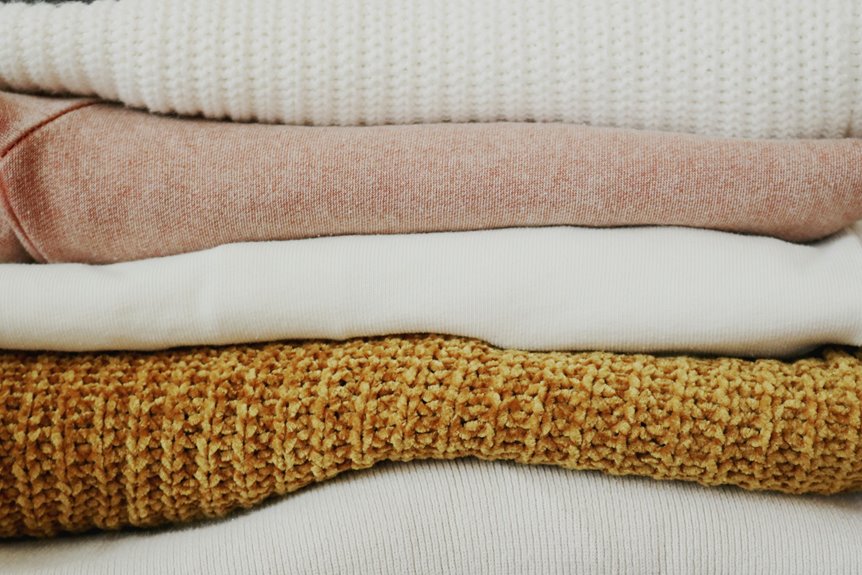
Choosing baby clothes is like selecting the perfect blanket for a chilly night; it needs to be soft and comforting. Natural fabrics play an essential role in ensuring your baby’s delicate skin stays irritation-free. With so many options available, it can be tricky to know which materials truly offer the best protection. So, what should you look for when selecting the ideal fabrics for your little one?
Key Takeaways
- Choose organic cotton for its softness and breathability, ideal for preventing skin irritation in babies.
- Bamboo fabric is hypoallergenic and moisture-wicking, ensuring dryness and comfort for sensitive skin.
- Opt for wool in cooler weather, as it provides warmth without overheating while being gentle on skin.
- Linen is lightweight and breathable, making it perfect for summer to keep babies cool and comfortable.
- Always look for fabrics with safety certifications like Oeko-Tex or GOTS to ensure they are free from harmful chemicals.
Benefits of Choosing Natural Fabrics for Babies
When you choose natural fabrics for your baby’s clothes, you’re not just making a fashion statement; you’re also prioritizing their health and comfort.
Natural fabrics like cotton, bamboo, and linen are breathable, allowing air to circulate and keeping your little one cool and dry. These materials are less likely to irritate sensitive skin, reducing the risk of rashes and allergies. They also absorb moisture effectively, helping to regulate your baby’s temperature.
Natural fabrics like cotton, bamboo, and linen keep your baby cool, dry, and comfortable while minimizing skin irritation and allergies.
Plus, natural fabrics are biodegradable, making them an eco-friendly choice for your family. By opting for these fabrics, you’re ensuring your baby feels cozy while also caring for the planet.
Ultimately, you’re creating a safe, nurturing environment for your precious child.
Top Natural Fabric Options for Baby Clothes
Choosing the right fabric for your baby’s clothes can make a significant difference in their comfort and well-being.
Cotton is a top choice, as it’s soft, breathable, and gentle against delicate skin. Look for organic cotton to avoid harmful chemicals.
Bamboo fabric is another fantastic option; it’s hypoallergenic and moisture-wicking, keeping your baby dry and comfy.
For cooler weather, consider wool, which provides warmth without overheating.
Linen is also great for warmer months, as it’s lightweight and breathable.
Finally, hemp offers durability and natural mold resistance, making it a practical choice for active little ones.
Why Synthetic Fabrics Should Be Avoided
When choosing baby clothes, you might want to steer clear of synthetic fabrics.
These materials can trap heat against your baby’s skin, leading to discomfort.
Plus, the chemicals used in production can cause irritation and raise environmental concerns that impact us all.
Heat Retention Issues
Although synthetic fabrics might seem convenient for baby clothes, they often struggle with heat retention, making them less suitable for your little one.
These materials can trap heat against your baby’s skin, leading to discomfort and potential overheating. Babies are especially sensitive to temperature changes, and too much heat can cause irritability and disrupt their sleep.
Natural fabrics, like cotton and bamboo, allow for better airflow and moisture-wicking properties, helping to regulate your baby’s body temperature.
By choosing clothing made from breathable materials, you create a more comfortable environment that supports healthy sleep patterns and overall well-being.
Prioritizing natural fabrics guarantees your baby stays cozy without the risk of overheating or discomfort.
Chemical Irritation Risks
While synthetic fabrics may offer durability and easy care, they often contain harmful chemicals that can irritate your baby’s sensitive skin.
These chemicals can lead to rashes, allergies, and discomfort. It’s essential to be aware of the potential risks associated with synthetic materials.
Here are three common irritants to watch out for:
- Formaldehyde – Often used in finishes, it can cause skin reactions and respiratory issues.
- Phthalates – These are used to soften fabrics but can disrupt hormones and lead to skin sensitivities.
- Dyes and Bleaches – Many synthetic fabrics are treated with harsh chemicals that can trigger allergic reactions.
Choosing natural fabrics can help keep your baby comfortable and free from irritation.
Environmental Concerns
Choosing synthetic fabrics not only poses risks to your baby’s skin but also has significant environmental implications.
These materials, like polyester and nylon, are derived from petroleum, contributing to the depletion of non-renewable resources. When washed, they release microplastics into our waterways, harming marine life and ecosystems. Additionally, the production process generates considerable greenhouse gases, worsening climate change.
By opting for natural fabrics, you’re not just making a safer choice for your child; you’re also supporting sustainable practices that protect our planet. Organic cotton, bamboo, and linen are biodegradable and reduce your carbon footprint.
Caring for Natural Fabrics to Maintain Quality
Caring for natural fabrics is essential to keep your baby’s clothes looking great and lasting longer.
You’ll want to pay attention to washing instructions, use the right drying techniques, and store the fabrics properly.
Washing Instructions Importance
To keep your baby’s clothes looking fresh and feeling soft, understanding the importance of proper washing instructions for natural fabrics is essential.
Following these guidelines will help maintain their quality and comfort:
- Use Gentle Detergents: Opt for mild, fragrance-free detergents to avoid skin irritation and preserve fabric integrity.
- Wash in Cold Water: Cold water helps prevent shrinkage and fading, keeping the colors vibrant and the fibers intact.
- Avoid Fabric Softeners: These can contain chemicals that may irritate your baby’s sensitive skin. Instead, try natural alternatives like vinegar.
Drying Techniques Best Practices
While it’s easy to toss your baby’s natural fabric clothes in the dryer, opting for the right drying techniques is essential to maintain their quality.
Air drying is your best bet; it helps prevent shrinkage and keeps the fabric soft. Lay the clothes flat on a clean, dry surface or hang them using a drying rack.
If you need to use a dryer, choose a low heat setting and remove the clothes while they’re still slightly damp to avoid over-drying. Always check care labels for specific instructions.
Avoid direct sunlight, as it can cause fading and weaken fibers. Following these practices will help keep your baby’s clothes looking fresh and feeling gentle against their sensitive skin.
Proper Storage Methods
How can you guarantee your baby’s natural fabrics stay in top shape during storage? Proper storage methods are essential to maintain their quality and softness. Here are three key tips:
- Clean Before Storing: Always wash and dry your baby clothes before putting them away. This prevents stains and odors from setting in.
- Choose Breathable Containers: Use cotton or linen bags instead of plastic bins. This allows air circulation, preventing moisture buildup and mildew.
- Avoid Direct Sunlight: Store fabrics in a cool, dark place. Sunlight can fade colors and weaken fibers, affecting their durability.
Understanding Certifications for Safe Baby Fabrics
When choosing baby clothes, understanding fabric certifications can make a significant difference in ensuring your little one’s safety and comfort. Certifications help you identify safe fabrics that are free from harmful chemicals and allergens. Look for labels like Oeko-Tex Standard 100, which guarantees no harmful substances, or GOTS (Global Organic Textile Standard), ensuring organic production and sustainable practices.
| Certification | What It Means | Benefits |
|---|---|---|
| Oeko-Tex Standard 100 | No harmful chemicals in fabric | Safe for sensitive skin |
| GOTS | Organic and environmentally friendly | Sustainable and ethical sourcing |
| USDA Organic | No synthetic fertilizers or pesticides | Healthier for your baby and the planet |
Prioritize these certifications to keep your baby safe and comfortable.
Seasonal Considerations for Baby Clothing Fabrics
Choosing the right fabric for your baby’s clothes not only involves checking for safety certifications but also considering the season.
Each season brings unique challenges for your baby’s comfort and skin health. Here are key fabric considerations for different seasons:
- Summer: Opt for lightweight, breathable fabrics like organic cotton or linen that wick moisture away and keep your baby cool.
- Winter: Choose warmer materials such as bamboo or merino wool. These natural fabrics provide insulation while allowing skin to breathe.
- Transitional Seasons: For spring and fall, layer with soft fabrics like jersey knit or Tencel. They offer versatility and can adjust to fluctuating temperatures.
Frequently Asked Questions
Can Natural Fabrics Help Prevent Diaper Rash in Babies?
Imagine using organic cotton diapers; they’re soft and breathable. Natural fabrics can indeed help prevent diaper rash in babies by reducing moisture buildup and irritation, keeping your little one comfortable and their skin healthy.
How Do I Choose the Right Size for Natural Fabric Baby Clothes?
When choosing the right size for baby clothes, measure your baby’s height and weight. Refer to the brand’s sizing chart, and remember that babies grow quickly, so consider sizing up for comfort and longevity.
Are There Specific Colors Safer for Baby Clothes?
Imagine a calming blue sky on a sunny day—soft hues like pastels or earthy tones are often safer for baby clothes. Bright colors may contain harsher dyes, so stick to gentle shades for your little one.
What Are the Environmental Benefits of Using Natural Fabrics for Baby Clothes?
Using natural fabrics for baby clothes helps reduce environmental impact. You’re supporting sustainable practices, decreasing chemical use, and promoting biodegradable materials. These choices contribute to a healthier planet for your little one and future generations.
Can Babies Be Allergic to Natural Fabrics Like Cotton or Bamboo?
Even the softest clouds can bring unexpected storms. Yes, babies can be allergic to natural fabrics like cotton or bamboo. It’s essential to monitor their skin reactions and consult a pediatrician if irritation occurs.