
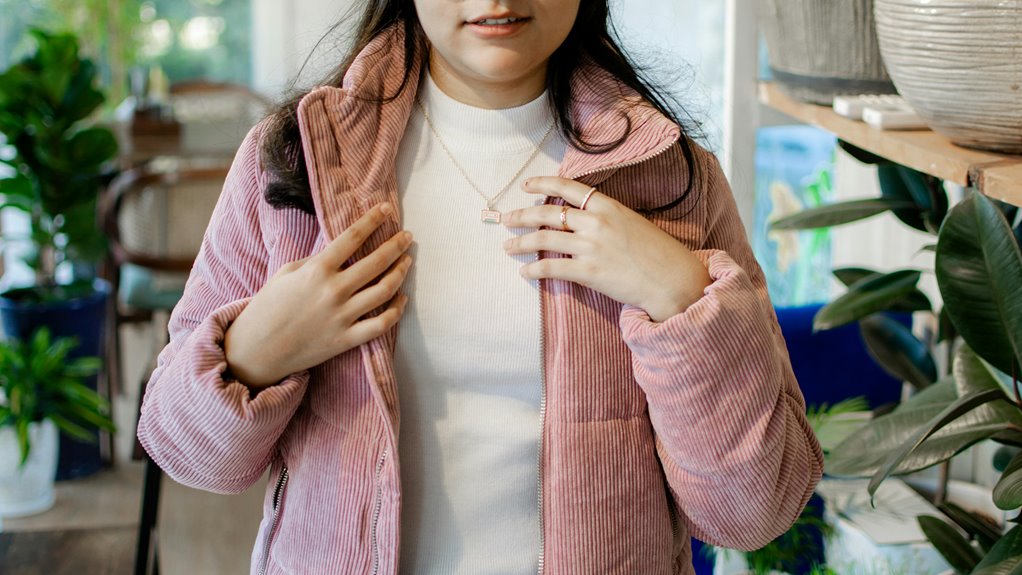
If you want the best corduroy fabric, Italy leads with luxurious, vibrant textiles crafted using advanced weaving and sustainable practices. The U.S. blends heritage with innovation, offering durable, authentic textures from organic cotton. Japan excels in precision and rich, lasting hues through cutting-edge techniques. India brings a unique mix of traditional handloom and modern methods, while Turkey provides quality, eco-friendly corduroy with competitive pricing. Keep exploring to discover what makes each location special.
Key Takeaways
- Italy leads in luxurious corduroy with vibrant colors and advanced weaving techniques emphasizing craftsmanship and sustainability.
- The United States blends heritage weaving methods with modern machinery, focusing on durable, authentic textures and organic cotton.
- Japan offers unmatched precision craftsmanship and advanced dyeing for rich, long-lasting hues with perfect rib alignment.
- India combines traditional handloom weaving with modern processes, producing strong, uniquely textured corduroy with vibrant natural and synthetic dyes.
- Turkey provides competitively priced, soft yet sturdy corduroy by merging traditional skills with sustainable, efficient manufacturing technologies.
Italy: Renowned for Luxurious Corduroy Textiles
Italy stands out for producing some of the most luxurious corduroy textiles in the world.
When you choose Italian corduroy, you’re tapping into centuries of craftsmanship and innovation. Italian manufacturers pay close attention to detail, using high-quality cotton blends and advanced weaving techniques to create fabrics that feel soft yet durable.
You’ll notice the vibrant colors and rich texture that only Italian mills can achieve. If you want corduroy that combines elegance with comfort, Italy is the place to look.
Their commitment to sustainable practices also means you’re getting fabrics made with care for the environment.
Whether you’re designing clothing or upholstery, Italian corduroy offers a refined finish that elevates your project effortlessly.
United States: Heritage and Innovation in Corduroy Production
While corduroy has deep roots in American fashion, the United States continues to push boundaries by blending heritage techniques with modern innovation.
When you explore American corduroy production, you’ll find mills that honor traditional weaving methods while incorporating advanced machinery to enhance fabric durability and feel. This balance guarantees you get corduroy with authentic texture and contemporary performance.
You’ll also notice a strong focus on sustainability, as many U.S. producers source organic cotton and adopt eco-friendly dyeing processes.
Whether you’re a designer or a consumer, the American corduroy industry offers fabrics that reflect decades of craftsmanship, combined with cutting-edge improvements.
This dynamic approach makes the U.S. a key player in producing quality corduroy fabrics that suit both classic and modern styles.
Japan: Precision Craftsmanship and Advanced Techniques
Japan stands out for its meticulous approach to corduroy production, combining precision craftsmanship with cutting-edge technology.
When you choose Japanese corduroy, you experience fabric that’s both durable and luxuriously soft. They blend traditional techniques with innovative machinery, ensuring each piece meets exacting standards.
Here’s why you’ll appreciate Japanese corduroy:
- Unmatched Quality Control – Every yard undergoes strict inspection to guarantee flawless texture and color consistency.
- Advanced Dyeing Techniques – These methods create rich, lasting hues that won’t fade over time.
- Expert Weaving Precision – Skilled artisans and automated looms work in harmony for perfect rib alignment and fabric strength.
India: Traditional Weaving Meets Modern Corduroy Fabric
Moving from Japan’s high-tech precision, India offers a compelling blend of age-old weaving traditions and modern corduroy production. When you explore Indian corduroy, you’ll notice how artisans combine handloom techniques with contemporary machinery, creating fabrics that balance durability and texture. This fusion makes Indian corduroy ideal for both fashion and upholstery.
Here’s a quick look at key aspects of Indian corduroy manufacturing:
| Aspect | Description | Benefit |
|---|---|---|
| Weaving Techniques | Handloom + power loom | Unique texture, strong fabric |
| Regions | Gujarat, Tamil Nadu, West Bengal | Rich textile heritage |
| Fabric Quality | Medium to heavy-weight | Versatile use |
| Dyeing Methods | Natural and synthetic dyes | Vibrant, long-lasting colors |
| Export Focus | Europe, North America | High global demand |
Turkey: Emerging Hub for Quality Corduroy Manufacturing
Because Turkey straddles both Europe and Asia, it has become a strategic location for quality corduroy manufacturing.
You’ll find that Turkish manufacturers combine traditional craftsmanship with modern technology, ensuring each fabric is durable and stylish. Their commitment to sustainable practices also means you’re choosing eco-friendly options without sacrificing quality.
When you buy Turkish corduroy, you enjoy:
- Exceptional texture that feels soft yet sturdy against your skin.
- Vibrant colors that stay rich, wash after wash.
- Competitive pricing thanks to efficient production and local sourcing.
Turkey’s emerging textile hubs are gaining your trust by delivering consistent quality and innovation.
If you want corduroy that stands out, Turkey offers a compelling choice that fits your needs perfectly.
Frequently Asked Questions
What Are the Environmental Impacts of Corduroy Manufacturing?
Imagine corduroy as a forest, its fibers growing from soil heavy with dyes and chemicals. When you wear it, you carry that earth’s burden—water pollution and energy use—so choose wisely to lighten nature’s load.
How Does Corduroy Fabric Care Differ From Other Textiles?
You’ll need to wash corduroy inside out on a gentle cycle to protect its texture. Unlike smoother fabrics, avoid high heat drying, as it can damage the pile and cause shrinkage or fading.
What Is the History Behind Corduroy Fabric?
You might find it interesting that corduroy’s roots trace back to ancient Egypt, though it gained popularity in 18th-century England. You’ll see its ridged texture was once prized for durability and warmth.
Are There Sustainable Corduroy Options Available?
You can find sustainable corduroy options made from organic cotton or recycled fibers. Many brands now focus on eco-friendly production, so you’re able to choose stylish fabrics without compromising the environment or quality.
How Does Corduroy Thickness Affect Its Uses?
You’ll find thicker corduroy’s perfect for warmth and durability, ideal for jackets or pants. Thinner corduroy feels lighter and softer, making it great for shirts or dresses. Choose thickness based on your project’s needs.