
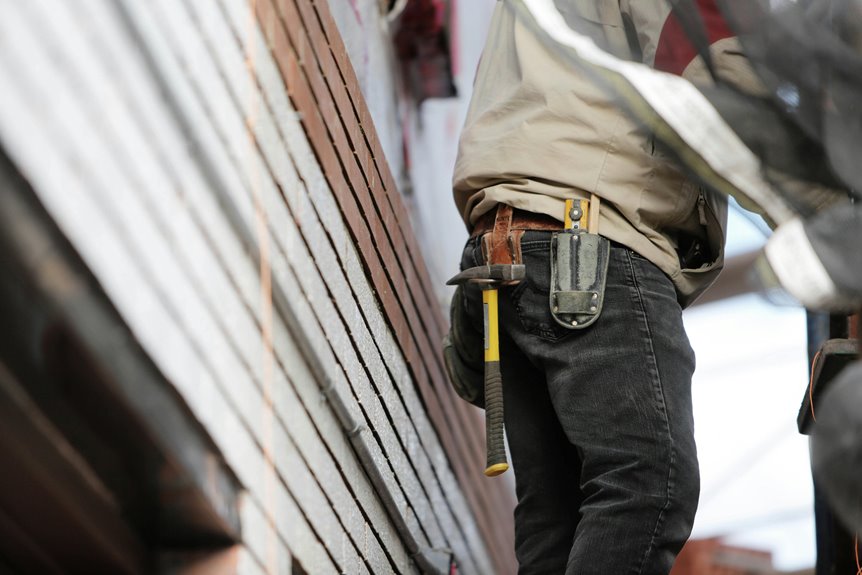
You’ll find polycotton pants are great for workwear because they blend cotton’s softness with polyester’s strength. They offer comfort and breathability while being durable enough for daily wear and tear. These pants resist shrinking, wrinkles, and fading, making maintenance easier and extending their lifespan. Plus, they keep you cool and dry during long hours. If you want to understand why they perform so well and how to care for them, keep exploring the details.
Key Takeaways
- Polycotton pants blend cotton and polyester, offering breathability and durability ideal for various work environments.
- They resist shrinking, fading, and wrinkles better than pure cotton, maintaining a professional look.
- The fabric’s moisture-wicking properties keep workers cool and dry during long hours.
- Polycotton pants endure repeated washing and daily wear without losing strength or comfort.
- Easy maintenance with cold wash and low heat drying extends their lifespan and performance.
Understanding Polycotton Fabric Composition
Although you might be familiar with cotton or polyester individually, polycotton blends both fibers to combine their best qualities. When you wear polycotton, you get the softness and breathability of cotton alongside the strength and wrinkle resistance of polyester.
The typical mix ranges from 50/50 to 65% polyester and 35% cotton, but ratios vary depending on the intended use. This combination enhances durability without sacrificing comfort. You’ll notice polycotton resists shrinking and fading better than pure cotton, making it easier to maintain.
Plus, the fabric dries faster thanks to polyester’s moisture-wicking properties. Understanding this composition helps you appreciate why polycotton is a versatile choice, blending natural feel with synthetic resilience to suit various demands.
Benefits of Polycotton Pants for Work Environments
With the unique blend of cotton and polyester, polycotton pants offer advantages that make them ideal for demanding work environments. You’ll find they balance comfort and functionality, keeping you comfortable throughout your shift.
Here’s why polycotton pants work well for your workplace needs:
- Breathability: They allow air to circulate, reducing sweat buildup.
- Ease of Care: They resist wrinkles and dry faster than pure cotton.
- Cost-Effective: Typically more affordable than 100% cotton or synthetic pants.
- Versatility: Suitable for various industries, from construction to healthcare.
- Color Retention: They hold dye well, so your pants look professional longer.
Choosing polycotton means you won’t have to sacrifice comfort or appearance while working hard.
Durability Factors of Polycotton Workwear
You’ll want to understand how polycotton stacks up in fabric strength compared to other materials.
It’s important to evaluate its resistance to wear since workwear takes a beating every day.
Plus, knowing how maintenance affects its longevity will help you get the most out of your pants.
Fabric Strength Comparison
When you compare fabric strength, polycotton stands out because it combines the resilience of polyester with the comfort of cotton. This blend creates a fabric that holds up well under daily wear and tear, making it a smart choice for workwear.
You get the best of both worlds—durability without sacrificing softness. Here’s how polycotton measures up against other fabrics:
- Polyester adds tensile strength and shape retention.
- Cotton contributes breathability and softness.
- The blend resists stretching and shrinking better than pure cotton.
- Polycotton endures repeated washing without losing integrity.
- It offers moderate abrasion resistance, balancing comfort and toughness.
Choosing polycotton means you’re investing in work pants that maintain strength and feel good, even during long shifts.
Resistance to Wear
Although workwear faces constant friction and stress, polycotton pants resist wear better than many other fabrics. When you move, bend, or kneel, the blend’s synthetic fibers add strength, reducing the risk of tearing or thinning. This means you won’t have to worry about holes forming quickly in high-friction areas like knees or pockets.
The cotton component still offers breathability, so the fabric doesn’t sacrifice comfort for durability. Plus, the tightly woven structure of polycotton helps it maintain its integrity even after extended use.
If your job involves rough surfaces or repetitive movements, polycotton pants stand up well to abrasion. Choosing them means you get workwear that holds up without compromising on flexibility or ease of movement.
Maintenance and Longevity
Polycotton pants not only resist wear but also stand up to regular care without losing their strength or comfort.
To keep your workwear in top shape, proper maintenance plays a key role in extending their lifespan. You’ll find they dry quickly and resist shrinking, which saves time and hassle.
Here’s how you can maintain them effectively:
- Wash in cold water to prevent fabric damage
- Use mild detergent to protect fibers
- Avoid bleach to maintain color and strength
- Tumble dry on low or air dry to reduce wear
- Iron on low heat to prevent fabric degradation
Comfort and Breathability in Polycotton Pants
If you spend long hours on your feet, you’ll appreciate how polycotton pants balance comfort and breathability. The cotton fibers allow air circulation, reducing sweat and heat buildup, while polyester adds flexibility and durability. This blend keeps you comfortable without sacrificing strength, ideal for demanding work environments.
| Feature | Cotton Benefits | Polyester Benefits |
|---|---|---|
| Breathability | High air permeability | Moderate air permeability |
| Moisture Wicking | Absorbs moisture | Dries quickly |
| Comfort | Soft texture | Adds stretch |
This combination means you stay cool and dry throughout your shift. Polycotton pants won’t cling uncomfortably, letting you move freely while handling tough tasks.
Care and Maintenance Tips for Polycotton Workwear
Keeping your polycotton workwear in top shape starts with proper care and maintenance. You want your pants to last through tough job days while staying comfortable.
Follow these simple tips to keep them looking and performing their best:
- Wash in cold or warm water to avoid shrinking and fading.
- Use mild detergent to protect fabric fibers.
- Avoid bleach, which can weaken the material.
- Tumble dry on low heat or air dry to prevent damage.
- Iron on medium heat if needed, but avoid high temperatures.
Comparing Polycotton Pants to Other Workwear Fabrics
When choosing workwear, you’ll want to contemplate how different fabrics handle durability, comfort, and maintenance.
Polycotton blends combine cotton’s breathability with polyester’s strength, offering a balance that pure cotton or polyester might lack. Cotton is soft and comfortable but wears out faster and wrinkles easily. Polyester resists wrinkles and dries quickly but can feel less breathable and trap heat.
Polycotton pants give you durability without sacrificing too much comfort, making them ideal for long shifts. Plus, they resist stains and are easier to care for than pure cotton.
While materials like denim offer toughness, they can be heavier and less flexible. Ultimately, polycotton pants provide a practical middle ground, giving you reliable wear and comfort on the job.
Frequently Asked Questions
Are Polycotton Pants Suitable for Formal Office Settings?
You can wear polycotton pants in formal office settings if the dress code allows. They blend comfort with a polished look, but make sure the fabric and fit appear sharp enough to maintain a professional appearance.
Can Polycotton Pants Be Customized With Company Logos?
Picture your team proudly sporting crisp polycotton pants, each logo stitched perfectly on the fabric. You can easily customize these pants with company logos, creating a unified, professional look that’s both durable and comfortable for daily wear.
Do Polycotton Pants Require Special Washing Detergents?
You don’t need special detergents for polycotton pants; regular laundry soap works fine. Just avoid bleach and fabric softeners to maintain fabric quality and color. Wash in cold water to keep them looking good longer.
How Do Polycotton Pants Perform in Extreme Weather Conditions?
You’ll find polycotton pants offer moderate protection in extreme weather, but they’re not ideal for very cold or hot conditions. They breathe better than pure polyester but don’t insulate or wick moisture as well as specialized fabrics.
Are Polycotton Pants Environmentally Friendly or Sustainable?
You shouldn’t expect polycotton pants to be very environmentally friendly since they combine synthetic and natural fibers, making recycling tricky. However, choosing organic cotton blends or recycled polyester can boost sustainability if you care about eco-impact.