
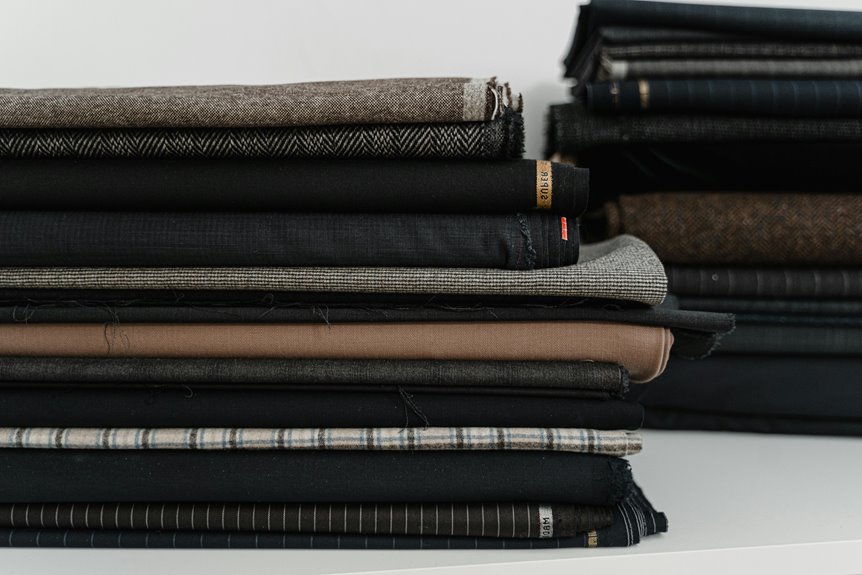
If you prefer a crisp, cool feel and better airflow, percale sheets suit you well—they’re lightweight, breathable, and keep you cool, especially in warm weather. Regular cotton sheets feel softer and come in various textures, offering cozy comfort and versatility for different climates. Percale tends to be more durable but pricier, while regular cotton is budget-friendly. Keep your personal comfort and climate in mind; understanding these differences will help you pick the perfect sheet for your needs.
Key Takeaways
- Percale sheets have a crisp, cool feel with a tight weave, making them ideal for hot sleepers and warm climates.
- Regular cotton sheets offer a softer, varied texture and are versatile for both warm and cool environments.
- Percale sheets promote better airflow and moisture-wicking, enhancing temperature regulation compared to many regular cotton weaves.
- Regular cotton sheets come in various weaves like sateen, which can feel silkier but may retain more warmth than percale.
- Percale sheets tend to be pricier but more durable, while regular cotton sheets provide comfort and affordability for everyday use.
What Are Percale Sheets?
Percale sheets are a type of cotton fabric known for their crisp, cool feel and tight weave. When you choose percale, you’re picking a fabric woven in a simple one-over-one-under pattern, which creates a matte finish and a smooth texture.
This weave gives percale its durability and breathability, making it ideal if you tend to sleep hot or prefer a lightweight sheet. You’ll notice percale sheets often have a thread count ranging from 180 to 200, ensuring they’re not too dense but just right for airflow.
Unlike other cotton fabrics, percale doesn’t have a glossy sheen, so it feels fresh and clean against your skin. If you appreciate sheets that get softer with each wash, percale is a smart choice to contemplate.
Characteristics of Regular Cotton Sheets
You’ll notice regular cotton sheets often have a softer, more varied texture compared to percale.
They’re breathable, helping you stay cool, yet durable enough for everyday use.
Let’s explore how these qualities impact your sleep experience.
Fabric Texture and Feel
Anyone who’s touched regular cotton sheets knows they offer a soft, breathable feel that adapts well to different temperatures.
When you lie down on them, you’ll notice their smooth texture provides a cozy, comforting sensation without feeling heavy. Unlike percale, which tends to have a crisp, matte finish, regular cotton sheets often feel silkier and more supple against your skin.
They drape nicely over your body, giving you a gentle hug rather than a firm, structured touch. You’ll also appreciate that regular cotton’s texture can vary slightly depending on the weave and thread count, ranging from lightweight and airy to a bit denser and plush.
Breathability and Durability
While the soft texture of regular cotton sheets feels inviting, their breathability and durability also play a big role in your overall comfort and how long they last.
Regular cotton sheets are naturally breathable, allowing air to circulate and keeping you cool through the night. However, their breathability can vary depending on the weave and thread count.
Durability-wise, these sheets tend to hold up well with proper care, resisting wear and tear over time. To get the most out of your regular cotton sheets, keep these points in mind:
- Choose a medium thread count for better airflow and strength.
- Wash gently to maintain fabric integrity and softness.
- Avoid high heat drying to prevent premature wear.
This balance makes regular cotton sheets a reliable choice for everyday comfort.
Weave Differences Between Percale and Regular Cotton
Although both percale and regular cotton sheets are made from cotton fibers, their weave patterns set them apart considerably.
Percale features a tight, plain weave where each thread crosses over one and under one, creating a crisp, matte finish with a smooth feel. This pattern gives percale sheets their signature durability and lightweight texture.
Regular cotton sheets, on the other hand, often use various weaves, including sateen or twill, which affect their softness and sheen. Sateen weaves, for example, have more threads on the surface, resulting in a silkier, shinier fabric that feels heavier than percale.
When you choose between these sheets, understanding their weave differences helps you decide if you want a crisp, breathable feel or a softer, more luxurious texture.
Breathability and Temperature Regulation
Because you want a comfortable night’s sleep, understanding how percale and regular cotton sheets handle breathability and temperature regulation is key.
Percale sheets have a crisp, lightweight weave that allows air to circulate freely, keeping you cool throughout the night. Regular cotton sheets, depending on their weave, might feel softer but can trap more heat.
Percale’s crisp weave promotes airflow and cooling, while regular cotton may feel softer but retain more heat.
Here’s what you should know:
- Percale’s tight yet breathable weave promotes better airflow, ideal for hot sleepers.
- Regular cotton’s breathability varies; sateen weaves tend to retain more warmth.
- Both fabrics absorb moisture well, but percale dries faster, reducing night sweats.
Choosing percale means you’ll likely feel cooler and fresher, especially in warm climates or during summer months.
Durability and Longevity Comparison
When you invest in sheets, you want them to last through countless washes and nights of use.
Percale sheets generally hold up well over time thanks to their tight, plain weave, which resists pilling and thinning. Their durability makes them a smart choice if you want sheets that maintain their structure and crispness after repeated laundering.
Regular cotton sheets, depending on the weave and quality, can be durable but might show wear sooner, especially if they use a looser weave or lower thread count. You’ll find that high-quality cotton sheets last long as well, but percale’s sturdier construction often gives it an edge in longevity.
Ultimately, if durability is a priority, percale sheets tend to outlast regular cotton sheets without sacrificing comfort.
Feel and Texture: Smooth vs. Crisp
If you prefer sheets that feel crisp and breathable, percale is likely to appeal to you with its matte finish and cool, textured surface.
This weave creates a firm, lightweight fabric that’s perfect if you like that fresh, airy feel.
On the other hand, regular cotton sheets, especially those with a sateen weave, offer a smoother, silkier touch. They feel soft against your skin and have a subtle sheen, giving your bed a bit of luxury.
Regular cotton sheets with a sateen weave feel smooth and silky, adding a subtle sheen and touch of luxury.
Here’s a quick look at the feel and texture differences:
- Percale: Crisp, matte, cool, and breathable
- Regular Cotton (Sateen weave): Smooth, silky, slightly shiny, cozy
- Regular Cotton (Plain weave): Soft but less crisp than percale, with varied textures depending on quality
Maintenance and Care Requirements
You’ll want to follow specific washing instructions to keep your sheets looking fresh.
Knowing how each type holds up over time helps you get the most out of your investment.
Plus, mastering stain removal tips will make maintenance much easier.
Washing Instructions
Because percale sheets feature a tight weave, they require gentle washing to maintain their crisp texture and prevent wear. You’ll want to wash them in cool or warm water on a gentle cycle.
Avoid using bleach or harsh detergents, as these can break down the fibers and dull the fabric’s look. To keep your sheets feeling fresh and soft, tumble dry on low heat or air dry them.
Here are some quick tips for washing your percale sheets:
- Use mild detergent to protect the fabric’s integrity.
- Wash sheets separately to reduce friction and pilling.
- Remove sheets promptly from the dryer to minimize wrinkles and maintain crispness.
Following these steps helps your percale sheets stay crisp and comfortable longer.
Durability Over Time
Proper washing and drying habits play a big role in how long your sheets last, especially when it comes to percale versus regular cotton.
Percale sheets tend to be more durable due to their tight weave, but they still require gentle care. Always wash them in cold or warm water and avoid harsh detergents to prevent fiber damage.
Regular cotton sheets might feel softer initially but can wear out faster if you use hot water or bleach frequently.
When drying, choose a low heat setting to avoid shrinking or weakening fibers in both types. Also, removing sheets promptly from the dryer reduces wrinkles and fabric stress.
Stain Removal Tips
How do you tackle stains on percale and regular cotton sheets without damaging the fabric? The key is acting quickly and using gentle methods.
For both types, avoid harsh chemicals or bleach, which can weaken fibers and fade colors. Instead, try these effective stain removal tips:
- Blot the stain immediately with a clean cloth; don’t rub, as this spreads the stain.
- Pre-treat with a mild detergent or a mixture of water and white vinegar before washing.
- Wash in cold water on a gentle cycle to protect the fabric’s integrity.
Price Differences and Value for Money
When comparing percale sheets and regular cotton sheets, you’ll notice distinct price differences that impact their value for money.
Percale sheets tend to be pricier due to their tighter weave and often higher-quality cotton, like long-staple fibers. Regular cotton sheets usually come at a lower cost but might lack the durability and crisp feel percale offers.
If you value longevity and a cool, breathable texture, investing in percale can be worthwhile. However, if budget constraints are tight and you prefer a softer, more relaxed feel, regular cotton sheets provide solid comfort without breaking the bank.
Ultimately, consider how often you replace sheets and your comfort preferences to decide which option gives you the best value for your money.
Best Uses for Percale Sheets
You’ll find percale sheets perfect if you sleep hot or live in a warm climate since they’re breathable and crisp.
They work best during spring and summer, keeping you cool all night.
If you like a lightweight, matte finish with a smooth feel, percale is the way to go.
Ideal Climates and Seasons
Percale sheets excel in warm and humid climates, thanks to their crisp, breathable weave that keeps you cool throughout the night.
If you live somewhere with hot summers or high humidity, these sheets help wick moisture away and promote airflow, preventing overheating.
They’re also great for spring and early fall when temperatures fluctuate, allowing you to stay comfortable without switching bedding.
Consider using percale sheets if you:
- Experience warm nights and want enhanced breathability
- Live in regions with high humidity year-round
- Need versatile bedding for changing seasons
Suitable Sleep Preferences
If you tend to sleep hot or sweat during the night, percale sheets offer a crisp, breathable surface that helps regulate your body temperature.
Their lightweight weave promotes airflow, keeping you cool and comfortable throughout the night.
You’ll appreciate percale sheets if you prefer a matte finish and a bit of texture against your skin, rather than the smooth, silky feel of sateen or other cotton sheets.
Percale also works well if you like your sheets to feel fresh and crisp right out of the dryer.
On the other hand, if you want extra softness or a warmer feel, you might lean toward regular cotton sheets with a sateen weave.
But when breathability and a crisp touch matter most, percale is your best bet.
Best Uses for Regular Cotton Sheets
Although regular cotton sheets may not have the crispness of percale, their softness and breathability make them ideal for everyday comfort.
Regular cotton sheets lack percale’s crispness but offer unmatched softness and breathability for daily comfort.
If you’re looking for sheets that feel cozy and adapt well to various temperatures, regular cotton is a great choice. You’ll appreciate their gentle touch during cooler nights and the way they allow air to circulate when it’s warmer.
Plus, they’re easy to care for and durable.
Here are some of the best uses for regular cotton sheets:
- Daily use: Perfect for your go-to bedding because they balance comfort and practicality.
- Sensitive skin: Their natural fibers reduce irritation and keep you comfortable all night.
- Versatile climates: Great for both warm and cool environments due to their breathability and softness.
How to Choose the Right Cotton Sheet for You
How do you know which cotton sheet suits your needs best? Start by considering the weave. Percale offers a crisp, breathable feel, perfect if you tend to sleep hot.
Sateen provides a silky, smooth texture with a slight sheen, ideal if you want a luxurious touch.
Next, check the thread count; aim for 200-400 for durability and softness without overheating.
Don’t overlook the cotton type—long-staple cotton, like Egyptian or Pima, guarantees stronger, softer sheets.
Also, factor in your climate: percale suits warmer areas, while regular cotton might work better in cooler rooms.
Finally, think about care—some sheets require gentle washing.
Frequently Asked Questions
Are Percale Sheets Hypoallergenic?
You’ll find percale sheets are generally hypoallergenic since their tight weave resists dust mites and allergens. If you have sensitive skin or allergies, choosing percale can help keep your sleep environment cleaner and more comfortable.
Can Percale Sheets Help With Night Sweating?
If you love waking up soaked like a rainforest, percale sheets aren’t for you. But if you’d rather stay cool and dry, their crisp, breathable weave helps wick away sweat, keeping you comfy all night long.
Do Percale Sheets Shrink After Washing?
You might notice percale sheets shrink slightly after the first wash because they’re made from cotton fibers that tighten. To minimize shrinking, wash them in cold water and air dry or use a low heat setting.
Are Percale Sheets Suitable for Sensitive Skin?
You’ll find percale sheets great for sensitive skin because they’re breathable, crisp, and made from natural cotton. Their tight weave reduces irritation, so you can sleep comfortably without worrying about itchiness or allergies.
How Eco-Friendly Are Percale Sheets Compared to Regular Cotton?
You’ll find percale sheets made from organic cotton more eco-friendly since they use less water and pesticides. Regular cotton can have a bigger environmental impact unless it’s sustainably grown or certified organic.