
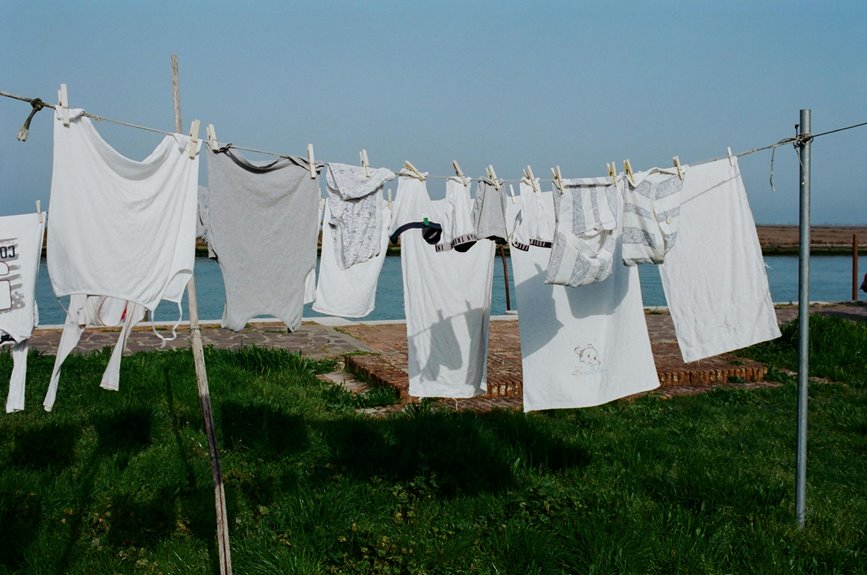
Yes, hand-washed clothes are less likely to pill than machine-washed ones. When you hand wash, you control the agitation and reduce friction, which helps preserve the fabric’s fibers. In contrast, machine washing increases wear and tear, leading to more pilling. By using milder detergents and cooler water while hand washing, you minimize damage and keep your garments looking fresh longer. If you’re interested, there’s even more to explore about washing methods and care tips for your clothes.
Key Takeaways
- Hand-washing minimizes friction, reducing the likelihood of fibers breaking and forming pills compared to machine washing.
- The controlled environment of hand-washing allows for gentler treatment of delicate fabrics, preserving their integrity.
- Machine washing often involves harsher agitation and temperature, increasing the risk of pilling on fabrics.
- Hand-washing can use milder detergents and cooler water, which are less damaging to fibers compared to machine washing.
- Overall, hand-washed clothes tend to maintain their appearance and softness longer, making them less prone to pilling.
Understanding Pilling: What Causes It?
When you wash your clothes, you might notice small balls of fuzz forming on the fabric—this phenomenon is known as pilling.
Pilling occurs when fibers in your clothing rub against each other or against other materials during washing and drying. This friction causes the fibers to break and tangle, creating those annoying little balls.
Fabrics made from shorter fibers, like cotton or wool, are more prone to pilling. The type of garment construction and the quality of the fibers also play a role. For instance, loosely woven fabrics tend to pill more easily.
The Impact of Washing Methods on Fabric
Although hand-washing might seem like a more gentle approach, the method you choose can greatly impact your fabric’s longevity and appearance.
Machine-washing, especially on harsher cycles, can cause friction that leads to pilling and wear. If you regularly toss your clothes into the washer, you might notice them losing their softness and shape over time.
On the other hand, hand-washing allows you to control the water temperature and agitation, which can help maintain your fabric’s integrity. You’re also less likely to mix different fabrics, minimizing damage from rougher materials.
Choosing the right washing method matters; it can make a significant difference in how your clothes look and feel, ultimately affecting their lifespan and your satisfaction with them.
Benefits of Hand Washing for Delicate Fabrics
Hand washing offers significant advantages for delicate fabrics that can easily be damaged by harsher washing methods.
When you choose to hand wash, you have complete control over the process, allowing you to gently clean your garments without the rough tumbling of a machine. This method reduces the risk of snagging, stretching, or tearing fibers, helping your clothes retain their original shape.
Additionally, you can use mild detergents and cooler water, which are more suitable for sensitive materials. Hand washing also gives you the opportunity to spot clean stains effectively, ensuring they’re treated without putting the entire garment at risk.
Ultimately, this careful approach helps prolong the life of your favorite delicate items, keeping them looking fresh and beautiful for longer.
The Risks of Machine Washing and Pilling
While machine washing offers convenience, it comes with significant risks, particularly when it comes to pilling. When you toss your clothes into a machine, the agitation and friction can cause fibers to break and form those annoying little balls. This is especially true for delicate fabrics or items with loosely woven fibers.
Additionally, using harsh detergents or washing on high settings can exacerbate the problem, leading to increased wear and tear. You mightn’t notice the damage immediately, but over time, pilling can make your favorite garments look worn out.
Even if you’re careful, the very nature of machine washing creates an environment where pilling is more likely to occur than with gentle hand washing.
Tips for Reducing Pilling in Both Washing Methods
Reducing pilling in your clothes is possible with a few simple strategies, whether you choose to wash by hand or machine.
First, always sort your laundry by fabric type; washing heavier items separately minimizes friction. Use cold water and a gentle detergent, as harsher chemicals can weaken fibers.
Sort laundry by fabric type to reduce friction, and always use cold water with a gentle detergent to protect fibers.
If you’re machine washing, opt for a delicate cycle and consider using a laundry bag for fragile items. When hand washing, be gentle and avoid wringing out your clothes too aggressively.
After washing, lay your garments flat to dry instead of hanging them, which can also help maintain their shape.
Finally, invest in a fabric shaver to remove any pills that do form, keeping your clothes looking fresh and new.
Comparing Longevity: Hand-Washed vs. Machine-Washed Garments
When considering longevity, the way you wash your clothes can make a big difference.
Hand-washing tends to create less fabric friction, which can help preserve your garments, while machine washing mightn’t always adhere to specific care instructions.
Let’s compare these methods to see how they impact the lifespan of your favorite clothes.
Fabric Friction Impact
One of the key factors influencing the longevity of your garments is fabric friction, which varies greatly between hand-washing and machine-washing.
When you hand-wash, you typically use gentler movements, reducing friction on the fibers. This careful approach helps maintain the fabric’s integrity, resulting in less pilling over time.
In contrast, machine-washing can subject your clothes to harsher agitation, especially in the spin cycle, which increases friction and can lead to premature wear and tear.
Additionally, the type of detergent you choose can also affect how much friction your garments endure.
Washing Techniques Comparison
While fabric friction plays a significant role in garment longevity, the techniques you use for washing can also have a profound impact.
When you hand-wash your clothes, you typically treat them with greater care, using gentler motions and avoiding the harsh agitation of machines. This careful handling can help preserve fibers, leading to less pilling and extending the life of your garments.
On the other hand, machine-washing often subjects fabrics to more intense friction and tumbling, which can result in more wear and tear over time.
If you’re aiming for longevity, consider how your washing method might affect your favorite clothes. In the end, choosing the right technique can make all the difference in maintaining your wardrobe’s quality.
Care Instructions Adherence
Adhering to care instructions can greatly influence how long your garments last, especially when comparing hand-washed and machine-washed items. When you follow the labels, you guarantee that your clothes receive the proper treatment they need.
Hand-washing often allows you to control water temperature and detergent use, which can be gentler on fabrics. This attention to detail helps in preventing wear and tear.
On the other hand, machine washing can sometimes neglect these nuances, leading to faster deterioration if settings aren’t adhered to.
Ultimately, by consistently following care instructions, whether you hand-wash or machine-wash, you’ll maximize your clothes’ lifespan and maintain their appearance, making your investment in quality garments worthwhile.
Frequently Asked Questions
Can Fabric Type Influence Pilling During Washing Methods?
Certain fabrics, like wool, can pill more than smoother materials. Notably, around 30% of pilling occurs during washing. So, when you choose fabric types, consider their pilling tendencies alongside your washing method for better care.
How Often Should I Hand Wash to Prevent Pilling?
You should hand wash delicate fabrics every few wears, depending on usage. Regular maintenance helps prevent pilling and keeps your clothes looking fresh. Pay attention to fabric types and their specific care requirements for best results.
Are There Specific Detergents That Reduce Pilling?
Choosing the right detergent’s like picking the perfect partner; it can make all the difference. Look for gentle, pH-balanced formulas that soften fabrics and minimize friction, helping to keep your clothes pill-free and looking fresh.
Do Dryer Settings Affect Pilling After Machine Washing?
Yes, dryer settings can affect pilling after machine washing. Using high heat can cause friction and increase pilling, while low heat or air-drying reduces it. Always check fabric care labels for the best results.
Can Pilling Be Repaired Once It Occurs?
Yes, you can repair pilling once it occurs. Gently use a fabric shaver or lint roller to remove pills. For delicate fabrics, try using scissors to trim them away carefully, restoring your clothing’s appearance.