
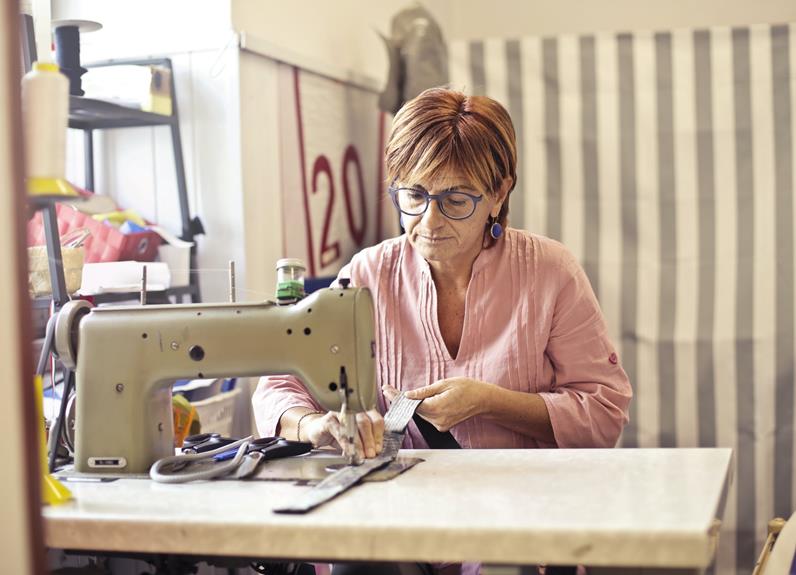
Are hair sewing machines the ultimate fabric tools?
In recent years, the emergence of hair sewing machines has revolutionized the world of fabric design and creation. These innovative machines have garnered attention for their potential to streamline and enhance the process of working with various fabrics.
From intricate patterns to delicate textures, the use of hair sewing machines presents an intriguing proposition for those seeking mastery in fabric manipulation.
As we delve into the evolution, advantages, limitations, and impact of hair sewing machines on fabric design and the fashion industry, it becomes essential to explore their potential as the ultimate fabric tools in the future.
Key Takeaways
- Hair sewing machines have evolved from manual to automated machines, offering features like automatic threading and adjustable stitch length.
- These machines can handle various fabrics, including delicate silk and synthetic materials like nylon and polyester.
- Hair sewing machines enable designers to achieve precision stitching for complex patterns and designs, enhancing fabric manipulation and productivity.
- The future potential of hair sewing machines includes advancements in smart technology, artificial intelligence integration, and a focus on environmental sustainability.
Evolution of Hair Sewing Machines
As a fabric enthusiast, you have witnessed the remarkable evolution of hair sewing machines, from their humble beginnings to the innovative tools they're today. The innovation trends in hair sewing machines have been largely driven by the market demand for more efficient and precise tools.
In the past, these machines were primarily manual, requiring a high level of skill and expertise to operate effectively. However, with the advancement of technology, hair sewing machines have become more automated, incorporating features such as automatic threading, adjustable stitch length, and digital displays for easier navigation.
The market demand for hair sewing machines that offer a wider range of functionalities has led to the development of models that can handle a variety of fabrics with ease, from delicate silks to heavy-duty denim. Additionally, there's been a growing trend towards compact and portable hair sewing machines, catering to the needs of modern sewers who value mobility and convenience.
Advantages of Hair Sewing Machines
You've witnessed the remarkable evolution of hair sewing machines, and with advancements in technology, these machines offer numerous advantages for fabric enthusiasts.
One of the primary benefits of hair sewing machines is their versatility. These machines are designed to handle a wide range of fabrics, from delicate silks to heavy denims, allowing you to explore various sewing projects without the need for multiple machines.
Additionally, hair sewing machines are known for their efficiency. They can complete intricate stitching patterns and complex designs in a fraction of the time it would take when sewing by hand or using traditional sewing machines. This efficiency not only saves time but also enables you to take on more ambitious projects and meet tight deadlines.
Moreover, hair sewing machines are cost-effective in the long run. While the initial investment may seem significant, the time and effort saved, as well as the professional finish achieved, make these machines a worthwhile investment for serious fabric enthusiasts.
Limitations of Hair Sewing Machines
Hair sewing machines, while efficient, do come with some limitations. Stitching precision can be a challenge, especially when working with delicate or intricate designs. Additionally, some hair types and textures may not be compatible with the machine, leading to potential difficulties in achieving desired results.
Stitching Precision Challenges
When using a hair sewing machine, it can be challenging to achieve the level of stitching precision required for intricate fabric work. Here are some common limitations and challenges you may encounter:
- Thread Tension: Achieving consistent thread tension can be difficult, leading to uneven stitches and potential fabric puckering.
- Needle Flexibility: Hair sewing machines may have limitations in using different needle sizes and types, impacting the ability to work with varying fabric weights and types.
- Complex Stitching Patterns: The machines may struggle with intricate stitching patterns, limiting the versatility for advanced fabric work.
- Manual Dexterity: Hair sewing machines require a high level of manual dexterity to maneuver the fabric accurately, which can be challenging for intricate designs.
Addressing these challenges through improving techniques and leveraging technological advancements can help enhance stitching precision when using hair sewing machines.
Material Compatibility Issues
Although hair sewing machines offer versatility, they have limitations in material compatibility that can impact their effectiveness.
When it comes to silk compatibility, hair sewing machines may present challenges due to the delicate nature of silk fabric. The fine, slippery texture of silk can cause difficulties in achieving consistent stitching without causing damage to the material.
Additionally, hair sewing machines may struggle with synthetic materials such as nylon, polyester, and spandex. These materials can be more resistant and less pliable, leading to potential issues with stitch formation and tension control.
It's essential to consider these material compatibility limitations when deciding whether a hair sewing machine is the right tool for your specific fabric projects.
Impact on Fabric Design
Maximizing efficiency in fabric design is a key benefit of hair sewing machines, allowing you to achieve intricate patterns with ease. The impact of hair sewing machines on fabric design is substantial, influencing various aspects such as fabric manipulation, creative expression, and overall design complexity.
- Precision Stitching: Hair sewing machines enable precise stitching, allowing you to create complex patterns and designs with accuracy and consistency. This level of precision enhances the overall quality and aesthetic appeal of fabric designs.
- Intricate Detailing: These machines facilitate the incorporation of intricate detailing into fabric designs, enabling you to experiment with a wide range of patterns, textures, and embellishments. This capability opens up new possibilities for creative expression and artistic exploration.
- Efficient Fabric Manipulation: Hair sewing machines streamline the process of fabric manipulation, making it easier to manipulate different types of fabrics to achieve desired design effects. This efficiency allows for greater experimentation and innovation in fabric design techniques.
- Enhanced Productivity: By significantly reducing the time and effort required for complex fabric designs, hair sewing machines contribute to enhanced productivity, enabling designers to focus more on the creative aspects of their work and explore new design possibilities.
Integration Into Fashion Industry
Hair sewing machines have the potential to revolutionize the fashion industry by offering new avenues for design and innovation.
They can seamlessly integrate into the existing production processes, allowing for the creation of intricate fabric designs and patterns.
This integration could lead to the development of unique and trend-setting fashion pieces that capture the attention of the industry.
Fashion Industry Impact
When integrating hair sewing machines into the fashion industry, you'll discover a revolutionary tool that streamlines fabric manipulation and enhances creative potential.
Fabric Innovations: Hair sewing machines have sparked fabric innovations by allowing designers to experiment with unconventional materials and textures, leading to the creation of unique and avant-garde designs.
Streamlined Production: The integration of hair sewing machines into the fashion industry has significantly improved production efficiency, enabling designers to create intricate garments with greater speed and accuracy.
Enhanced Customization: Hair sewing machines offer the opportunity for enhanced customization, allowing designers to cater to individual preferences and create bespoke pieces with intricate detailing.
Sustainable Practices: With the ability to seamlessly sew different types of fabric, hair sewing machines promote sustainable practices by reducing fabric waste and enabling the repurposing of materials in the fashion industry.
Design and Innovation
You can integrate hair sewing machines into the fashion industry to revolutionize fabric manipulation and unleash creative potential.
Design innovation and technological advancements have made these machines more versatile, offering designers the ability to experiment with new textures, patterns, and embellishments.
By incorporating hair sewing machines into the fashion industry, designers can push the boundaries of traditional fabric manipulation techniques, creating unique and intricate designs that were previously unattainable.
The integration of these machines opens up a world of possibilities, allowing for the creation of innovative garments that captivate and inspire.
As the fashion industry continues to evolve, the use of hair sewing machines represents a significant step towards redefining the creative process and elevating design to new heights.
Future Potential and Innovations
Certainly, you can consistently enhance your sewing experience with hair sewing machines as manufacturers continually innovate and develop advanced features. The future potential and innovations in hair sewing machines are exciting, with technological advancements paving the way for new applications and enhanced capabilities.
Here's what you can anticipate in the future:
- Smart Connectivity: Future hair sewing machines may integrate smart technology, allowing for seamless connectivity with devices such as smartphones or tablets. This could enable remote monitoring, automatic updates, and personalized stitching recommendations.
- Advanced Stitching Algorithms: As technology continues to evolve, future hair sewing machines might incorporate advanced stitching algorithms that optimize thread tension, stitch length, and speed based on fabric types and sewing patterns.
- Artificial Intelligence Integration: There's potential for hair sewing machines to integrate artificial intelligence, enabling them to learn from user preferences and provide tailored suggestions for optimal sewing outcomes.
- Environmental Sustainability: With a growing focus on sustainability, future hair sewing machines may feature eco-friendly materials, energy-efficient operation, and innovative recycling capabilities to minimize environmental impact.
The future of hair sewing machines holds great promise, with technological advancements poised to revolutionize the sewing experience and expand its potential applications.
Frequently Asked Questions
Can Hair Sewing Machines Be Used for Creating Intricate and Detailed Fabric Designs?
Yes, hair sewing machines can be used to create intricate designs and detailed patterns on fabric. The precision and versatility of these machines make them suitable for achieving complex and elaborate designs with ease.
What Are the Environmental Implications of Using Hair Sewing Machines in the Fashion Industry?
When considering the environmental impact of hair sewing machines in the fashion industry, it's crucial to evaluate their role in sustainable design and eco-friendly production. Implementing these machines can significantly reduce waste and energy consumption, promoting a more environmentally conscious approach to fabric creation.
How Do Hair Sewing Machines Compare to Traditional Fabric Sewing Machines in Terms of Speed and Efficiency?
When comparing hair sewing machines to traditional fabric sewing machines in terms of speed and efficiency, hair sewing machines offer greater precision and versatility. Their innovative design allows for faster and more efficient fabric work.
Are There Any Potential Health Risks Associated With Using Hair Sewing Machines for Fabric Design and Production?
When using hair sewing machines for fabric design, there are potential risks and ergonomic concerns. It's essential to consider the strain on your body and potential health hazards associated with prolonged use of this equipment.
Can Hair Sewing Machines Be Used for Creating Sustainable and Eco-Friendly Fabric Designs?
When creating sustainable fashion and eco-friendly textiles, hair sewing machines can be a valuable tool. They enable precise stitching and intricate designs, contributing to the production of high-quality, environmentally conscious fabric products.