
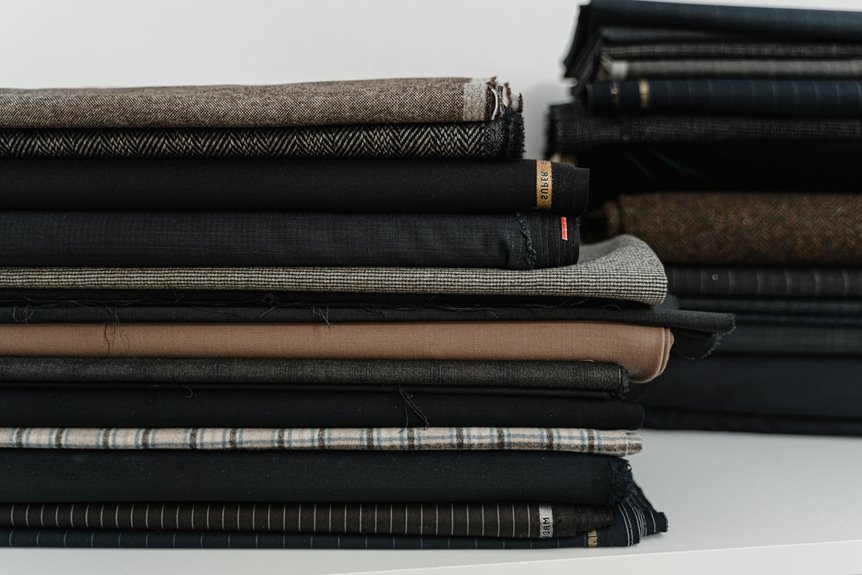
You’ll find cotton percale sheets produce very little static because they’re made from tightly woven natural cotton fibers, which don’t hold electrical charges like synthetics do. Static can still develop from dryness, over-drying, or friction in bed, but it’s usually mild and manageable. These sheets stay crisp, durable, and breathable, making them great for comfort. If you want to understand what causes static and how to keep it at bay, there’s more useful info ahead for you.
Key Takeaways
- Cotton percale sheets typically generate minimal static due to their natural cotton fibers and tight plain weave.
- Static buildup in cotton percale sheets can occur in low humidity or dry climates, especially during winter months.
- Over-drying cotton percale sheets in the dryer increases friction, leading to more static cling.
- Using fabric softeners, dryer balls, and maintaining indoor humidity can effectively reduce static in cotton percale bedding.
- Cotton percale sheets produce less static than synthetic fabrics, making them a good choice for comfort and reduced cling.
Understanding Cotton Percale Fabric
Cotton percale fabric offers a crisp, cool feel that many people love for their bedding.
When you choose percale, you’re selecting a plain weave made from tightly woven cotton fibers. This weave creates a smooth texture that feels light and breathable against your skin.
Because of its structure, percale tends to be more durable and less prone to pilling compared to other cotton weaves. You’ll notice its matte finish and fresh, airy touch, perfect for warmer climates or if you tend to sleep hot.
Percale’s durable weave resists pilling and feels fresh and breathable—ideal for warm sleepers and hot climates.
Percale sheets also improve with washing, becoming softer without losing their characteristic crispness.
Understanding these qualities helps you appreciate why cotton percale is a popular bedding choice, especially if you want a clean, cool sleeping environment.
How Static Electricity Develops in Bedding
Although it might seem surprising, static electricity often builds up in your bedding when friction causes electrons to transfer between fibers.
When you move around in bed, rubbing sheets against each other or your skin, electrons jump from one fiber to another. This movement creates an imbalance of electrical charges. Since electrons carry a negative charge, the fibers with extra electrons become negatively charged, while those that lose electrons become positively charged.
This difference in charge causes the static cling you notice when sheets stick to your body or each other. The dry environment in your bedroom can make this effect more noticeable because moisture helps dissipate static charges.
Understanding this basic process helps you see why static appears in your bedding and what triggers it.
Factors Contributing to Static in Cotton Percale Sheets
When you choose percale sheets, several factors can increase the chance of static buildup. Understanding these helps you manage or reduce unwanted shocks and clinginess.
Key contributors include:
- Low Humidity: Dry air encourages static electricity, making static more common in winter or dry climates.
- Fabric Blend: While pure cotton reduces static, blends with synthetic fibers can increase it.
- Washing and Drying Methods: Over-drying sheets in a dryer strips moisture, intensifying static.
- Friction: Movement between sheets, or between sheets and your body, creates friction that generates static charges.
Comparing Static Levels: Cotton Percale vs. Other Fabrics
You might notice that cotton percale sheets generate less static cling compared to synthetic fabrics like polyester.
The type of fabric greatly affects how much static builds up, with natural fibers typically producing less.
Understanding these differences can help you choose sheets that stay comfortable and static-free.
Static Cling Comparison
Since static cling can be a nuisance, it helps to understand how cotton percale sheets compare to other fabrics in this regard.
Cotton percale generally produces less static than synthetic materials, but more than some natural fibers. Here’s a quick comparison:
- Cotton Percale: Minimal static, especially when kept slightly humid.
- Silk: Very low static due to its natural protein fibers.
- Polyester: High static, often leading to clingy sheets.
- Flannel (cotton blend): Can generate moderate static because of blended fibers.
When you choose cotton percale, you’re opting for a fabric that balances breathability and static control better than many synthetics.
However, environmental factors like humidity also play a role in static cling, so keep that in mind.
Fabric Type Impact
Understanding how different fabric types affect static levels helps you choose sheets that suit your comfort needs.
Cotton percale sheets naturally generate less static compared to synthetic fabrics like polyester or nylon because cotton fibers don’t hold electric charges as easily. If you want to reduce static cling, cotton percale is a smart choice.
On the other hand, synthetic blends often trap more static due to their fiber structure, which can cause discomfort and clinginess, especially in dry environments.
Silk and linen also tend to produce less static but may differ in texture and care requirements.
Seasonal Effects on Static in Bedding
Although static buildup in cotton percale sheets can occur year-round, seasonal changes often amplify the problem.
During colder months, dry indoor air increases static electricity, making your sheets more prone to clinginess. You’ll notice less static in humid summer months when moisture naturally reduces electrical charges.
To manage this, consider these seasonal factors:
- Winter’s dry air lowers humidity, boosting static electricity.
- Using humidifiers can add moisture, reducing static.
- Summer’s higher humidity naturally minimizes static issues.
- Shifting seasons may still cause static due to fluctuating humidity levels.
Signs You Have Static in Your Sheets
How can you tell if your cotton percale sheets have static? One clear sign is when the sheets cling to your body or each other, making it hard to move freely.
Sheets clinging to your body or each other is a clear sign of static in cotton percale bedding.
You might also notice small sparks or tiny shocks when you touch the sheets, especially in dry conditions.
Another indicator is hearing a crackling or rustling sound as you shift in bed.
If your sheets seem to attract lint, hair, or dust more than usual, static is likely the cause.
You may find it annoying when your pajamas stick to the sheets or when pulling the covers feels like a minor tug-of-war.
Recognizing these signs helps you identify static issues early, so you can address them and enjoy a more comfortable night’s sleep.
Practical Tips to Reduce Static in Cotton Percale Sheets
When you want to keep static from disrupting your sleep, there are simple steps you can take to reduce it in your cotton percale sheets.
Here are four practical tips you can try:
- Use a Humidifier: Increasing moisture in the air helps prevent static buildup on your sheets.
- Apply Fabric Softener: A small amount during washing can reduce friction and static cling.
- Avoid Overdrying: Remove sheets while slightly damp to maintain natural moisture and lower static.
- Add Dryer Balls: Wool or rubber dryer balls help separate sheets and reduce static by improving air circulation.
Benefits of Using Cotton Percale Despite Static Concerns
You might notice some static, but cotton percale sheets offer unmatched breathability that keeps you cool all night.
They’re also built to last, giving you durable comfort for years to come.
Let’s explore why these benefits make cotton percale a smart choice despite the static.
Breathability and Comfort
Although static cling can be annoying, you’ll still appreciate cotton percale sheets for their exceptional breathability and comfort.
These sheets offer a crisp, cool feel that helps regulate your body temperature throughout the night, making them ideal for warm climates or hot sleepers.
Here’s what makes cotton percale sheets stand out:
- They allow air to flow freely, reducing sweat and moisture buildup.
- The tight weave creates a smooth surface that feels fresh against your skin.
- Their lightweight nature prevents overheating, promoting better sleep quality.
- Natural fibers wick away humidity, keeping you dry and comfortable.
Durability and Longevity
Even if static cling sometimes bothers you, cotton percale sheets offer impressive durability that makes them a smart investment.
You’ll find that their tightly woven fibers resist wear and tear, maintaining a crisp feel wash after wash. Unlike other fabrics that may pill or weaken quickly, percale cotton stands strong, ensuring your sheets last for years.
This longevity means you won’t have to replace them frequently, saving you money in the long run. Plus, their durability doesn’t compromise comfort; you still get that cool, breathable texture you love.
Maintaining Your Sheets to Minimize Static Build-Up
When caring for your cotton percale sheets, managing static build-up starts with simple, consistent maintenance habits.
You can keep static at bay by focusing on moisture and fabric care. Follow these tips:
- Wash sheets with a mild detergent and avoid over-drying to maintain natural fiber moisture.
- Use a fabric softener or dryer balls to reduce friction between fibers.
- Avoid synthetic materials in your bedding ensemble that can increase static.
- Store sheets in a cool, dry place with a bit of humidity to prevent excessive dryness.
Frequently Asked Questions
Can Cotton Percale Sheets Trigger Allergies or Skin Irritation?
You might experience allergies or skin irritation if you’re sensitive to cotton or if the sheets haven’t been washed properly. However, cotton percale is usually breathable and gentle, minimizing the risk for most people.
Are Cotton Percale Sheets Suitable for Hot Sleepers?
You’ll love cotton percale sheets if you’re a hot sleeper. They’re lightweight, breathable, and have a crisp feel that helps wick moisture away, keeping you cool and comfortable all night long.
How Long Do Cotton Percale Sheets Typically Last?
You can expect cotton percale sheets to last about 3 to 5 years with proper care. They’re durable, but regular washing and avoiding harsh detergents will help keep them crisp and comfortable longer.
Do Cotton Percale Sheets Shrink After Washing?
Wonder if your cotton percale sheets will shrink after washing? Yes, they can shrink slightly, especially if washed in hot water or dried on high heat. You’ll want to use cool settings to keep them fitting perfectly.
Are Cotton Percale Sheets Environmentally Friendly?
You’ll find cotton percale sheets can be eco-friendly if made from organic cotton and processed sustainably. They’re breathable and durable, reducing waste, but always check certifications to verify they meet environmental standards before buying.