
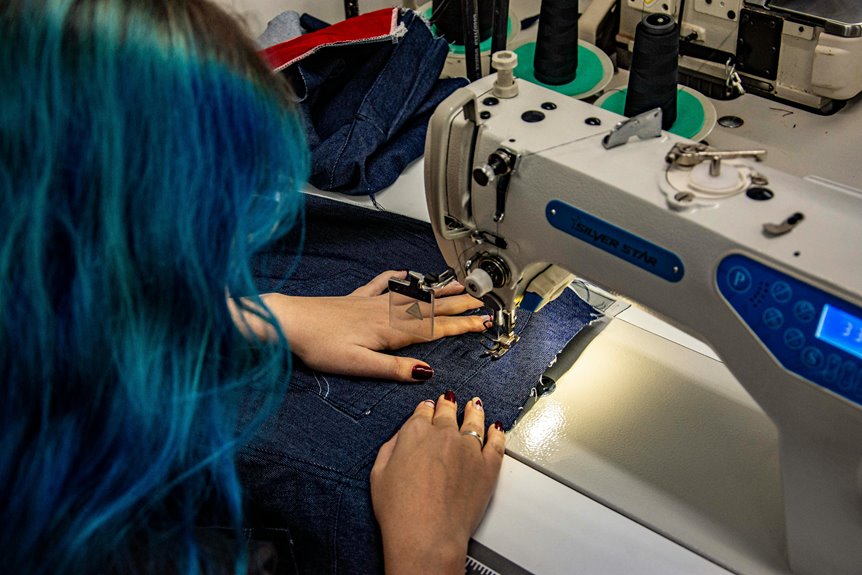
If you’re sourcing aramid fabric in India, top manufacturers like Kores India and Garware Technical Fibres offer high-quality, durable, and certified products with reliable supply chains. They provide customization options and use advanced technologies to enhance fabric strength and heat resistance. Paying attention to certifications and supplier responsiveness will help you secure the best material. Exploring these key players and industry trends can give you a clearer picture of the market’s potential and innovations.
Key Takeaways
- Leading Indian aramid fabric manufacturers include Kores India, Garware Technical Fibres, SRF Limited, and Sutlej Textiles.
- Top suppliers offer certified, high-quality aramid fabrics meeting IS 1653, ISO 9001, and sometimes EN 45545 standards.
- Customization options for thickness, weave, color, and special finishes cater to diverse industrial applications.
- Domestic manufacturers provide competitive pricing but imported fabrics offer superior global-standard compliance and consistent quality.
- Strong supplier relationships emphasize timely delivery, quality assurance, and responsive customer support for long-term partnerships.
Overview of Aramid Fabric and Its Applications in India
Aramid fabric plays an essential role in various industries across India due to its exceptional strength and heat resistance. When you choose aramid fabric, you tap into a material that’s lightweight yet incredibly durable, perfect for demanding environments.
You’ll find it widely used in protective clothing for firefighters, military personnel, and industrial workers, where safety is vital. Additionally, it’s a key component in automotive and aerospace parts, helping improve performance and safety.
Essential for protective gear and automotive parts, aramid fabric enhances safety and performance across industries.
In India’s growing manufacturing sector, aramid fabric supports innovation by enhancing product longevity and reliability. Whether you’re involved in construction, defense, or transportation, using aramid fabric guarantees superior protection and resilience.
Its unique properties make it indispensable, giving you confidence in products designed to withstand extreme conditions.
Leading Aramid Fabric Manufacturers in India
When you rely on high-performance fabrics for safety and durability, knowing where to source them matters. In India, several manufacturers stand out for delivering quality aramid fabrics tailored to various industries like defense, automotive, and fire protection. These companies focus on innovation, compliance, and customer support, ensuring you get reliable materials for your needs.
| Manufacturer | Key Strengths |
|---|---|
| Kores India | Wide product range, quality |
| Garware Technical Fibres | Advanced technology, eco-friendly |
| SRF Limited | Consistent supply, global standards |
| Sutlej Textiles | Custom solutions, strong R&D |
Choosing from these leaders helps you access top-grade aramid fabric backed by expertise and proven performance.
Key Features to Consider When Choosing Aramid Fabric Suppliers
Selecting the right fabric supplier can make all the difference in your project’s success. When choosing aramid fabric suppliers, you should prioritize quality assurance to guarantee consistent, high-performance material.
Check if the supplier offers certifications that prove their fabric meets industry standards. Timely delivery is essential, so verify their logistics capabilities to avoid project delays.
Consider their production capacity to make certain they can handle your order volume without compromising quality. Don’t forget to evaluate customer support responsiveness; you want a partner who communicates clearly and addresses your concerns promptly.
Pricing is important, but don’t let it overshadow quality and reliability. Finally, ask for samples to test the fabric’s suitability before committing, helping you avoid costly mistakes and ensuring your final product performs as expected.
Regional Hubs for Aramid Fabric Production in India
Understanding where aramid fabric production is concentrated in India can help you choose suppliers who aren’t only reliable but also strategically positioned to meet your delivery and quality needs.
India hosts several regional hubs known for their expertise in aramid fabric manufacturing.
- Mumbai, Maharashtra – A major textile and industrial center, Mumbai offers access to well-established suppliers and robust logistics networks.
- Surat, Gujarat – Known for its textile innovation, Surat provides competitive pricing and a skilled workforce focused on synthetic fibers.
- Coimbatore, Tamil Nadu – This hub specializes in technical textiles, ensuring high-quality aramid fabric production with advanced manufacturing techniques.
Innovations and Technologies in Indian Aramid Fabric Industry
You’ll find that Indian manufacturers are adopting advanced weaving techniques to boost aramid fabric strength and flexibility.
They’re also embracing sustainable production methods to reduce environmental impact.
Plus, nanotechnology is being applied to enhance fabric performance in innovative ways.
Advanced Weaving Techniques
Although aramid fabric is traditionally known for its strength and durability, the Indian industry has embraced advanced weaving techniques that push these qualities even further.
When you explore suppliers and manufacturers, you’ll find they use innovative methods to enhance fabric performance and versatility.
Here are three key techniques gaining traction:
- Jacquard Weaving: This allows complex patterns and multi-directional strength, improving fabric flexibility without compromising toughness.
- Air-Jet Looms: These speed up production while maintaining tight, uniform weaves, resulting in more consistent fabric quality.
- 3D Weaving: This technique creates multi-layered fabrics that offer superior impact resistance and dimensional stability.
Sustainable Production Methods
Because environmental concerns are rising, the Indian aramid fabric industry is adopting sustainable production methods that reduce waste and energy consumption.
When you explore these manufacturers, you’ll find they use eco-friendly solvents and recycle chemical byproducts to minimize pollution. They also invest in energy-efficient machinery and renewable energy sources, cutting their carbon footprint.
Water-saving dyeing techniques help conserve precious resources while maintaining high fabric quality. You’ll notice many suppliers implement strict waste management systems, ensuring leftover materials are repurposed or responsibly disposed of.
Nanotechnology Applications
As nanotechnology advances, Indian aramid fabric manufacturers are integrating these innovations to enhance material performance and durability.
You’ll notice fabrics becoming stronger, lighter, and more resistant to heat and chemicals thanks to nanoscale modifications. These improvements open new applications in defense, aerospace, and industrial safety gear.
Here are three key nanotech applications you should know about:
- Nanocoatings: Applied to aramid fibers, these coatings boost water repellency and reduce wear, extending fabric life.
- Nano-reinforcements: Embedding carbon nanotubes or graphene enhances tensile strength and flexibility without adding bulk.
- Smart textiles: Incorporating nanosensors allows real-time monitoring of fabric conditions, improving safety and maintenance.
Comparing Domestic and Imported Aramid Fabric Options
When you compare domestic and imported aramid fabrics, price differences often stand out first.
You’ll also want to contemplate quality and adherence to industry standards. Understanding these factors helps you make the best choice for your needs.
Price Differences
Although imported aramid fabrics often come with higher price tags due to shipping and tariffs, you might find that domestic options offer more competitive rates without compromising on quality.
When deciding between the two, consider these key price factors:
- Shipping and Import Duties: Imported fabrics include added costs for freight and customs, which can greatly increase the final price you pay.
- Bulk Purchase Discounts: Domestic suppliers often provide better discounts on large orders, helping you save more if you buy in volume.
- Currency Fluctuations: Imported fabric prices may vary with exchange rates, introducing unpredictability to your budgeting.
Quality and Standards
While domestic aramid fabrics have made significant strides in meeting industry standards, imported options often set the benchmark for quality due to advanced manufacturing technologies and stringent international certifications. When choosing between domestic and imported aramid fabric, you’ll want to evaluate factors like durability, flame resistance, and compliance with global standards.
| Feature | Domestic Aramid Fabric | Imported Aramid Fabric |
|---|---|---|
| Manufacturing Tech | Improving but less advanced | State-of-the-art |
| Certification Standards | Meets Indian standards | Meets global standards (ISO, NFPA) |
| Quality Consistency | Variable | High and consistent |
This comparison helps you make an informed decision based on your quality and compliance needs.
Quality Standards and Certifications for Aramid Fabric in India
Since aramid fabric plays an essential role in safety and performance, you need to guarantee it meets strict quality standards and certifications in India.
This assures reliability and compliance with industry regulations. When choosing suppliers, focus on these key certifications:
- IS 1653 – Indian Standard for textile fibers, ensuring aramid fibers meet durability and strength criteria.
- ISO 9001 – Confirms the manufacturer’s quality management system aligns with global standards for consistent product quality.
- EN 45545 – European railway fire safety standard adopted by some Indian manufacturers for fire-resistant aramid fabrics.
Customization Services Offered by Aramid Fabric Manufacturers
Meeting quality standards is just one aspect of choosing the right aramid fabric supplier in India. You’ll want a manufacturer who offers customization services tailored to your specific needs.
Many suppliers let you select fabric thickness, weave patterns, and color options to match your project requirements. You can also request specialized finishes, such as water or flame resistance, depending on your application.
Custom sizes and roll lengths are commonly available, guaranteeing minimal waste and optimized usage. Some manufacturers even provide technical support to help you choose the best fabric properties for your industry.
Pricing Trends and Market Demand for Aramid Fabric in India
You’ve probably noticed how aramid fabric prices in India have been shifting lately due to raw material costs and supply challenges.
Understanding what’s driving demand—from defense to automotive sectors—can help you anticipate market moves.
Let’s explore how these factors shape future opportunities in this growing industry.
Current Price Fluctuations
Although aramid fabric remains essential in various industries across India, its prices have seen notable fluctuations recently. You might notice sudden spikes or dips that impact your purchasing decisions. Understanding these changes can help you plan better.
Several factors contribute to this volatility:
- Raw Material Costs: Fluctuations in petrochemical prices directly affect aramid fabric costs.
- Supply Chain Disruptions: Delays or shortages in imports can cause temporary price hikes.
- Currency Exchange Rates: Changes in the rupee’s value against the dollar influence import expenses.
Demand Drivers Overview
Price fluctuations don’t just affect how much you pay—they also shape the demand for aramid fabric across India’s industries. When prices drop, manufacturers in automotive, defense, and protective gear sectors tend to increase orders, capitalizing on cost savings.
Conversely, rising prices may lead you to reconsider bulk purchases or seek alternative materials. The growing need for lightweight, high-strength fabrics in safety equipment and industrial applications drives consistent demand.
Additionally, government initiatives supporting defense modernization and infrastructure development boost consumption. You’ll notice that as industries expand, their reliance on aramid fabric grows, influencing market demand directly.
Understanding these pricing trends helps you anticipate shifts in availability and cost, enabling smarter procurement decisions aligned with changing industrial needs.
Future Market Projections
As demand for aramid fabric in India continues to rise, you can expect pricing trends to reflect both market growth and supply chain dynamics.
Prices may fluctuate based on raw material availability, production costs, and technological advancements. Market demand is set to expand, driven by industries like defense, automotive, and electronics.
Here’s what you should watch for:
- Raw Material Costs: Volatility in precursor chemicals can directly impact fabric prices.
- Technological Innovation: Improvements in manufacturing could lower costs and increase supply.
- Industrial Expansion: Growth in sectors using aramid fabric will push demand higher, influencing pricing.
How to Establish Long-Term Partnerships With Aramid Fabric Suppliers
Building strong, long-term partnerships with aramid fabric suppliers requires clear communication, mutual trust, and consistent quality standards. You should set expectations early, maintain transparency in transactions, and regularly assess product quality. Establishing shared goals guarantees both parties stay aligned on growth and innovation. Timely payments and respecting contractual terms also build trust.
Here’s a quick guide to help you nurture these partnerships:
| Key Aspect | Action Step |
|---|---|
| Communication | Schedule regular check-ins |
| Quality Assurance | Conduct frequent inspections |
| Trust & Reliability | Honor commitments and payments |
Frequently Asked Questions
What Are the Environmental Impacts of Aramid Fabric Production in India?
You should know aramid fabric production consumes significant energy and uses hazardous chemicals, which can pollute water and air. You must consider waste management and worker safety to reduce its environmental impact effectively.
How Is Aramid Fabric Recycled or Disposed of in India?
Recycling aramid fabric isn’t a walk in the park; you’ll find limited options in India. Most fabric ends up incinerated or in landfills, though some innovative firms try chemical recycling to break it down for reuse.
What Safety Measures Are Taken by Workers in Aramid Fabric Manufacturing?
You’ll wear protective gloves, masks, and goggles to guard against fibers and chemicals. Proper ventilation’s guaranteed, and safety training’s mandatory. You’ll follow strict protocols to prevent accidents and minimize exposure during manufacturing processes.
Are There Any Government Subsidies for Aramid Fabric Manufacturers in India?
Don’t put all your eggs in one basket—India offers some government subsidies and incentives for advanced textile manufacturers, including aramid fabric producers, to boost innovation and exports. You can explore schemes like the Technology Upgradation Fund.
How Does Climate Affect Aramid Fabric Storage and Durability in India?
You should store aramid fabric away from humidity and direct sunlight, as India’s hot, humid climate can degrade its strength and durability. Keep it in cool, dry conditions to maintain its performance and longevity effectively.