
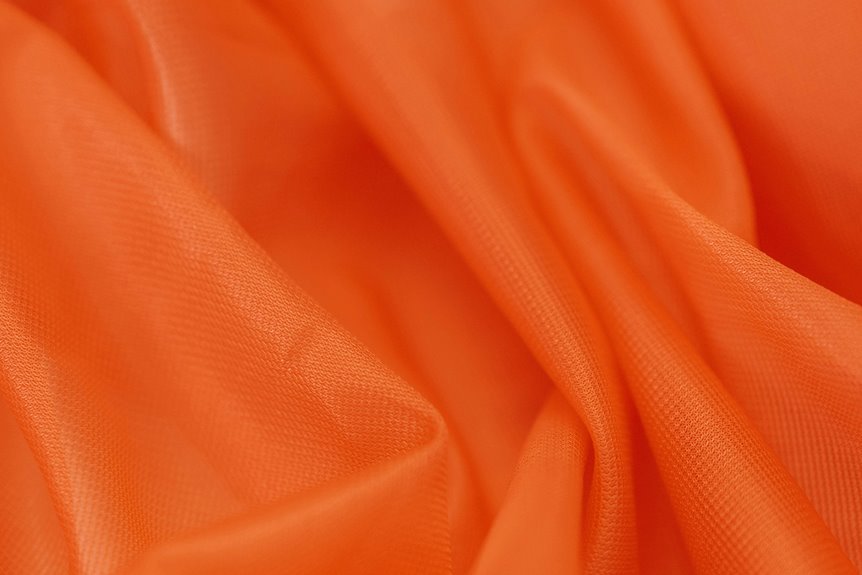
Nonwoven fabric is a versatile material made by bonding fibers without weaving or knitting, offering cost-effective strength and flexibility. You’ll find types like spunbond, meltblown, and spunlace, each suited for different uses—from medical masks to industrial filters. Compared to woven or knitted fabrics, nonwovens produce faster and cheaper but may lack durability. They have environmental challenges but also evolving sustainable options. Keep exploring to uncover how nonwoven fabrics shape various industries and applications.
Key Takeaways
- Nonwoven fabric bonds fibers without weaving, offering quick, cost-effective production with customizable properties like breathability and water resistance.
- Common types include spunbond, meltblown, spunlace, needle-punched, and composite nonwovens, each suited for different applications.
- Manufacturing involves fiber selection, web formation (dry, wet, spunlaid), and bonding methods (mechanical, thermal, chemical) to ensure strength and durability.
- Widely used in medical, industrial, consumer, and agricultural sectors for disposable, lightweight, and functional products.
- Environmental concerns include synthetic fiber waste and microplastics, but sustainable recycling and biodegradable innovations are emerging.
What Is Nonwoven Fabric?
Nonwoven fabric is a type of material made by bonding fibers together without weaving or knitting. When you use nonwoven fabric, you’re working with a versatile material that offers strength and flexibility without the traditional thread structure.
Unlike woven fabrics, nonwovens don’t rely on interlacing yarns, which makes them quicker to produce and often more cost-effective. You’ll find nonwoven fabrics in many everyday items, from medical masks to disposable wipes, because they combine durability with lightweight properties.
If you need a fabric that’s breathable, absorbent, or even water-resistant, nonwovens can be engineered to meet those needs. So, when you think about fabrics beyond cotton or wool, nonwoven materials provide innovative solutions tailored for specific uses.
How Is Nonwoven Fabric Manufactured?
You’ll start by choosing the right fibers based on the fabric’s purpose.
Then, these fibers are arranged into a web using different formation techniques.
Finally, bonding methods hold the fibers together to create the finished nonwoven fabric.
Fiber Selection Process
Although choosing the right fiber might seem straightforward, it plays an essential role in determining the performance and feel of the fabric you’ll end up with. You must consider properties like strength, softness, and absorbency. Common fibers include natural options like cotton and synthetic ones like polyester. Each fiber behaves differently during manufacturing, affecting the final product’s durability and texture.
Here’s a quick comparison:
| Fiber Type | Key Property | Typical Use |
|---|---|---|
| Cotton | Softness | Hygiene products |
| Polyester | Strength | Industrial fabrics |
| Rayon | Absorbency | Medical textiles |
| Nylon | Elasticity | Apparel and filters |
| Polypropylene | Moisture resistance | Disposable items |
Picking the right fiber guarantees your nonwoven fabric meets your specific needs.
Web Formation Techniques
There are several key methods to form the fabric web that ultimately shapes your nonwoven material. You’ll encounter dry laid, wet laid, and spunlaid techniques as the primary approaches.
In dry laid, fibers are carded or air-laid into a loose web by mechanical means, perfect for natural or synthetic fibers.
Wet laid mimics papermaking, suspending fibers in water before draining and forming a web, ideal for shorter fibers.
Spunlaid (or spunbond) spins continuous filaments directly onto a conveyor belt, creating a uniform web quickly and efficiently.
Each method affects your fabric’s texture, strength, and application potential. Understanding these techniques helps you pick the right process tailored to your product’s performance needs before moving on to bonding methods.
Bonding Methods Overview
Nonwoven fabrics rely on several bonding methods to hold their fibers together and give the material strength and durability.
You’ll find three main bonding techniques used in manufacturing nonwovens, each with its unique advantages:
1. Mechanical Bonding – This involves physically entangling fibers, often through needle punching or hydroentangling (water jets).
It’s great for creating strong, durable fabrics without adhesives.
2. Thermal Bonding – Here, heat melts thermoplastic fibers to fuse them together.
It’s quick and clean, perfect for producing lightweight, soft fabrics.
3. Chemical Bonding – This method uses adhesives or binders to glue fibers.
It offers flexibility in texture and strength, ideal for specialized applications.
Understanding these helps you appreciate how nonwoven fabrics get their unique properties and how they fit your needs.
What Are the Different Types of Nonwoven Fabrics?
When you explore the world of nonwoven fabrics, you’ll find they come in several types, each designed for specific uses and created through distinct processes.
The main categories include spunbond, meltblown, spunlace, and needle-punched fabrics.
Spunbond nonwovens are strong and durable, made by bonding continuous filaments. Meltblown fabrics consist of fine fibers ideal for filtration due to their dense structure.
Spunlace, or hydroentangled fabrics, use high-pressure water jets to entangle fibers, resulting in soft, flexible material. Needle-punched nonwovens involve mechanically interlocking fibers with barbed needles, producing thick, sturdy fabrics.
Additionally, you’ll find composite nonwovens, combining these methods to enhance performance.
Understanding these types helps you choose the right fabric based on strength, texture, and function.
What Are the Common Uses of Nonwoven Fabric?
You’ll find nonwoven fabrics everywhere, from medical masks and hygiene products to industrial filters and packaging.
They’re designed to meet specific needs, whether it’s protection, durability, or comfort.
Let’s explore how these versatile materials serve both healthcare and everyday consumer uses.
Medical and Hygiene Applications
Medical and hygiene products rely heavily on nonwoven fabric for their effectiveness and safety. When you use items like surgical masks or baby diapers, nonwoven fabrics provide essential benefits like breathability, filtration, and comfort.
Here are three common medical and hygiene applications you’ll encounter:
- Surgical and medical gowns – They protect both patients and healthcare workers from contamination.
- Face masks and respirators – Nonwoven layers filter airborne particles, keeping you safe.
- Disposable hygiene products – Diapers, sanitary napkins, and wipes use nonwovens for absorbency and softness.
Because these fabrics resist bacteria and liquids, you get reliable protection and hygiene every time.
Industrial and Consumer Uses
Although nonwoven fabrics are well-known for their medical uses, they also play a significant role in many industrial and consumer products.
You’ll find them in filtration systems, where they trap dust and pollutants efficiently. In the automotive industry, they provide sound insulation and cushioning, improving comfort and safety.
When it comes to home goods, nonwovens appear in items like mattress covers, cleaning wipes, and disposable tablecloths. You might also encounter them in agriculture as crop covers and weed barriers, helping plants thrive while reducing the need for chemicals.
These fabrics are lightweight, durable, and cost-effective, making them perfect for such diverse applications.
How Does Nonwoven Fabric Compare to Woven and Knitted Fabrics?
How does nonwoven fabric stack up against woven and knitted fabrics in everyday use? You’ll find nonwovens differ mainly in structure and function. Unlike woven or knitted fabrics, nonwovens bond fibers directly, skipping the interlacing or looping processes.
Nonwoven fabrics differ from woven and knitted by bonding fibers directly, skipping traditional weaving or knitting steps.
Here’s how they compare:
- Durability: Woven and knitted fabrics generally offer better strength and stretch, making them ideal for clothing. Nonwovens are less durable but excel in disposable or single-use products.
- Production Speed: Nonwovens are faster and cheaper to produce, perfect for mass-produced items like medical masks or wipes.
- Breathability and Comfort: Knitted fabrics often provide superior breathability and flexibility, while nonwovens can be engineered for specific functions like filtration rather than comfort.
Knowing these differences helps you choose the right fabric for your needs.
What Are the Environmental Impacts of Nonwoven Fabrics?
When you consider the environmental impacts of nonwoven fabrics, you’ll find both challenges and opportunities.
These fabrics often rely on synthetic fibers like polypropylene, which come from fossil fuels and can persist in landfills for years. If discarded improperly, they contribute to microplastic pollution, affecting ecosystems.
However, you can also find nonwovens made from biodegradable or recycled materials, reducing their footprint. The production process tends to use less water and energy compared to woven fabrics, which is a plus.
Plus, some manufacturers now focus on recycling nonwoven waste or designing fabrics for easier disposal. By choosing nonwoven products thoughtfully and supporting sustainable innovations, you can help minimize their environmental impact while benefiting from their versatility.
What Are the Advantages and Disadvantages of Nonwoven Fabric?
Because nonwoven fabrics serve so many purposes, you’ll find they come with distinct advantages and disadvantages. Knowing these can help you decide when to use them effectively.
Nonwoven fabrics offer unique benefits and drawbacks, guiding smart choices for their effective use.
1. Advantages: Nonwoven fabrics are cost-effective, lightweight, and offer excellent filtration and absorbency. They’re versatile, allowing customization for various industries from medical to automotive.
2. Disadvantages: They generally lack the durability and strength of woven fabrics, which might limit their use in heavy-duty applications.
Also, some nonwovens aren’t as breathable, which can affect comfort in clothing.
3. Environmental Concerns: While some nonwovens are recyclable, many are made from synthetic fibers that don’t biodegrade easily, posing disposal challenges.
Understanding these pros and cons helps you choose nonwoven fabrics wisely for your projects.
How Is Nonwoven Fabric Evolving in Modern Industries?
Why are nonwoven fabrics becoming central to innovation across so many sectors? You’ll find they offer unmatched versatility and cost-effectiveness, making them perfect for evolving industrial needs.
In healthcare, for example, these fabrics improve protective gear and hygiene products with enhanced filtration and comfort.
In automotive and aerospace, they reduce weight while boosting durability, helping you meet strict efficiency standards.
The fashion industry uses nonwovens for sustainable, eco-friendly materials, so you can support greener choices.
Plus, advancements in technology let manufacturers customize properties like strength, absorbency, and breathability to fit your specific applications.
As industries push for smarter, lighter, and more sustainable solutions, nonwoven fabrics keep adapting—making them an essential part of your modern manufacturing toolkit.
Frequently Asked Questions
Can Nonwoven Fabrics Be Recycled or Reused Effectively?
You might think nonwoven fabrics can’t be reused, but they actually can—though recycling them is tricky due to mixed materials. You can repurpose them creatively, but effective recycling depends on local facilities and fabric types.
What Are the Cost Differences Between Nonwoven and Traditional Fabrics?
You’ll find nonwoven fabrics generally cost less than traditional ones because they require less labor and time to produce. However, prices vary based on material type, quality, and production methods, so always compare specific options.
Are There Any Health Risks Associated With Nonwoven Fabric Production?
You should know that nonwoven fabric production can expose you to chemicals and dust, which might cause respiratory or skin irritation. Proper ventilation and protective gear help minimize these health risks during manufacturing.
How Do Nonwoven Fabrics Perform in Extreme Weather Conditions?
Imagine scorching heat and biting cold—nonwoven fabrics adapt well, resisting moisture and maintaining strength. You’ll find they perform reliably in extreme weather, offering breathability and durability, so you won’t worry about wear or discomfort outdoors.
What Innovations Are Happening in Nonwoven Fabric Dyeing and Printing?
You’ll find innovations like digital printing and eco-friendly dyeing revolutionizing nonwoven fabrics. These methods reduce water use, increase color vibrancy, and allow precise designs, giving you more sustainable and customizable options than ever before.