
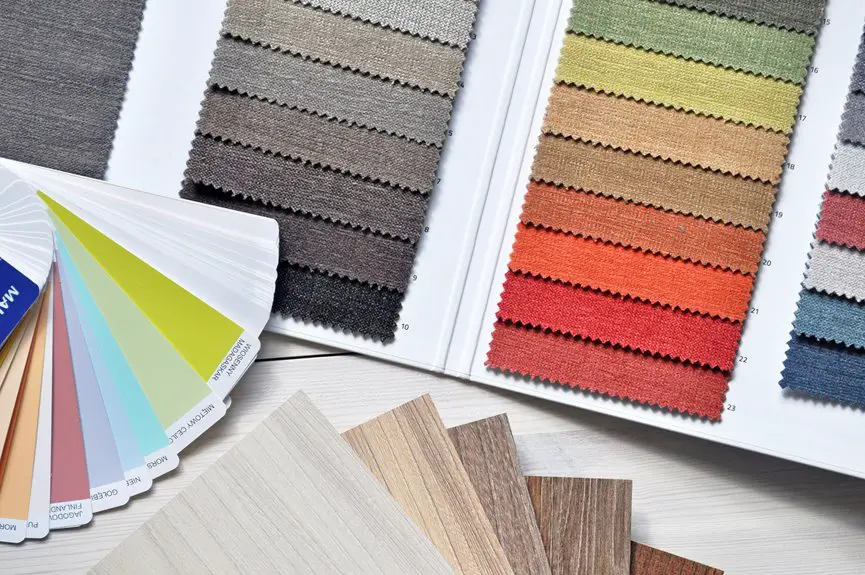
If you’re exploring stitch-bonded nonwoven fabrics, you’ll find they combine durability with flexibility by reinforcing fibers through precise stitching. These fabrics use materials like polyester, polypropylene, and cotton to meet various needs and improve strength and tear resistance. The stitching patterns and density enhance breathability and performance. Plus, many incorporate sustainable fibers to support eco-friendly goals. As you go further, you’ll discover how these fabrics suit diverse industries and evolving innovations.
Key Takeaways
- Stitch-bonded nonwoven fabrics combine fiber webs with stitching to improve strength, durability, and dimensional stability.
- They use materials like polyester, polypropylene, and cotton, with growing focus on recycled and biodegradable fibers for sustainability.
- Advanced stitching techniques, including chain and lock stitches, enhance fabric strength, flexibility, and breathability.
- Mechanical properties such as tensile strength and wear resistance are enhanced by stitch density and fiber choice.
- Applications span automotive, medical, and home furnishings, benefiting from efficient, low-waste automated production processes.
Understanding Stitch-Bonded Nonwoven Fabric Technology
Stitch-bonded nonwoven fabric technology combines the strength of stitching with the versatility of nonwoven materials to create durable, flexible textiles. When you use this technology, you’re fundamentally reinforcing a web of fibers by stitching through it, which enhances its mechanical integrity.
You’ll find that the stitching process adds dimensional stability and improves resistance to tearing and abrasion. Unlike traditional woven fabrics, stitch-bonded nonwovens don’t rely on weaving patterns but instead depend on needle or thread bonding to hold fibers together.
This approach allows you to customize fabric thickness, density, and strength for specific applications. By controlling stitch patterns and densities, you can tailor the fabric’s performance without compromising its lightweight nature. This makes it ideal for various industrial and consumer uses.
Materials Used in Stitch-Bonded Nonwoven Fabrics
Choosing the right materials plays an essential role in defining the performance and durability of stitch-bonded nonwoven fabrics. You’ll find that fibers like polyester, polypropylene, and natural fibers each bring unique properties, affecting strength, softness, and breathability. Additionally, your choice of yarns for stitching influences fabric stability and flexibility.
Here’s a quick look at common materials:
| Material | Key Characteristics |
|---|---|
| Polyester | Strong, durable, moisture-resistant |
| Polypropylene | Lightweight, chemical-resistant |
| Cotton | Soft, breathable, biodegradable |
The Stitching Process Explained
You’ll see that the stitching process relies on a precise needle penetration technique to bind the fibers firmly.
Different stitch patterns are used to achieve various fabric strengths and textures.
Understanding these basics helps you appreciate how stitch-bonded nonwovens get their unique properties.
Needle Penetration Technique
The needle penetration technique plays an essential role in the stitching process, where needles pierce through layers of fibers to bind them together securely. You control needle speed, depth, and angle to guarantee consistent penetration without damaging the fabric. This precision helps maintain fabric strength and durability.
Here’s a quick overview of key needle penetration factors:
| Factor | Purpose | Impact on Fabric |
|---|---|---|
| Needle Speed | Controls stitching rate | Affects uniformity |
| Penetration Depth | Guarantees proper fiber binding | Prevents fabric damage |
| Needle Type | Matches fiber characteristics | Improves stitch quality |
| Penetration Angle | Optimizes needle entry | Reduces fiber displacement |
Mastering these variables lets you create stitch-bonded fabrics that hold up under stress while keeping the material intact.
Stitch Patterns Variety
Stitch patterns play an essential role in defining the strength, flexibility, and appearance of stitch-bonded nonwoven fabrics.
When you choose a stitch pattern, you’re directly influencing how the fabric performs under stress and how it looks. Common patterns include chain stitch, lock stitch, and tricot stitch, each offering unique benefits.
For instance, chain stitch provides excellent elasticity, while lock stitch guarantees high durability. You can also vary stitch density and direction to enhance fabric properties like breathability or reinforcement.
Understanding these patterns helps you tailor fabrics to specific applications, whether for automotive, upholstery, or medical uses.
Mechanical Properties and Durability
You’ll want to understand how stitch-bonded nonwoven fabrics hold up under stress, starting with their tensile strength.
It’s important to evaluate how they resist wear and tear over time, especially in demanding applications.
Let’s explore these mechanical properties to see how durable these fabrics really are.
Tensile Strength Analysis
Understanding tensile strength is essential when evaluating stitch-bonded nonwoven fabrics, as it directly impacts their mechanical performance and durability.
When you test tensile strength, you measure how much force the fabric can withstand before breaking. This helps you predict how the fabric will behave under stress in real-world applications.
Stitch patterns, fiber types, and bonding techniques all influence tensile strength. You’ll find that fabrics with tighter stitch spacing and stronger fibers tend to resist tension better.
By analyzing tensile strength, you can select materials suited for specific uses, ensuring reliability and longevity.
Wear and Tear Resistance
Wear and tear resistance plays an essential role in determining how well nonwoven fabrics hold up under repeated use and harsh conditions.
When you choose stitch-bonded nonwoven fabrics, you’re opting for materials designed to withstand abrasion, punctures, and stress without quickly degrading. The stitching reinforces the fabric’s structure, helping it maintain integrity even after frequent handling or exposure to rough surfaces.
This durability means you can rely on these fabrics in demanding applications, from protective clothing to upholstery. You’ll notice fewer snags and less fraying, which extends the fabric’s lifespan and reduces replacement costs.
Applications Across Different Industries
Although stitch-bonded nonwoven fabrics might seem specialized, they play an essential role in many industries you encounter daily. You’ll find them in automotive interiors, medical supplies, and home furnishings. Their strength and flexibility make them ideal where durability meets comfort.
Here’s a quick look at where these fabrics are used:
| Industry | Common Applications |
|---|---|
| Automotive | Seat covers, headliners, insulation |
| Healthcare | Surgical gowns, masks, wound dressings |
| Home Textiles | Upholstery, mattress covers, curtains |
Environmental Benefits and Sustainability
When you choose stitch-bonded nonwoven fabrics, you’re supporting materials that often use less energy and produce less waste during manufacturing compared to traditional textiles.
Choosing stitch-bonded nonwoven fabrics means supporting energy-efficient, low-waste manufacturing over traditional textiles.
These fabrics typically require fewer processing steps, which reduces resource consumption and lowers their carbon footprint. You’ll also find many stitch-bonded nonwovens made from recycled or biodegradable fibers, helping to minimize environmental impact.
Plus, their durability means products last longer, reducing the need for frequent replacements. By opting for these fabrics, you contribute to a more sustainable textile industry that prioritizes eco-friendly practices.
This choice aligns with growing environmental awareness and helps promote circular economy principles, making stitch-bonded nonwovens a smart and responsible option for both manufacturers and consumers alike.
Comparison With Other Nonwoven Fabric Types
Stitch-bonded nonwoven fabrics stand out not only for their environmental benefits but also in how they compare to other nonwoven types.
Unlike spunbond or meltblown fabrics, stitch-bonded textiles offer superior mechanical strength due to their unique stitching process. You’ll notice they provide better dimensional stability and durability, making them ideal for applications requiring reinforcement.
While traditional needle-punched nonwovens rely solely on fiber entanglement, stitch-bonded fabrics combine this with stitching, enhancing tear resistance without sacrificing flexibility.
However, they might be thicker and less breathable than some lightweight spunbond materials, which you should consider depending on your needs.
Future Trends and Innovations in Stitch-Bonded Fabrics
As the demand for sustainable and high-performance materials grows, you’ll see stitch-bonded fabrics evolving with new technologies and eco-friendly innovations.
Manufacturers are integrating biodegradable fibers and recycled content to reduce environmental impact without sacrificing durability. You’ll also find advances in stitching techniques that enhance fabric strength and flexibility, making these materials suitable for more demanding applications like automotive interiors and medical textiles.
Smart textiles are another exciting frontier; by embedding sensors and conductive threads, stitch-bonded fabrics can monitor health or environmental conditions.
Additionally, automation and AI-driven production processes are improving consistency and lowering costs, allowing you to access these high-quality fabrics more easily.
Staying informed about these trends will help you leverage stitch-bonded fabrics effectively in your projects and product designs.
Frequently Asked Questions
How Do Stitch-Bonded Nonwovens Compare in Cost to Woven Fabrics?
You’ll find stitch-bonded nonwovens generally cost less than woven fabrics because they require less time and energy to produce. Their simpler manufacturing process helps you save money without sacrificing certain performance qualities.
What Are the Care and Washing Instructions for Stitch-Bonded Fabrics?
Think of your stitch-bonded fabric as a delicate tapestry; you’ll want to wash it gently in cold water, avoid harsh detergents, and air-dry it to preserve its strength and texture. Don’t bleach or tumble dry it.
Can Stitch-Bonded Nonwovens Be Customized for Specific Textile Designs?
Yes, you can customize stitch-bonded nonwovens for specific textile designs. You’ll choose different fibers, stitch patterns, and bonding techniques to achieve the desired texture, strength, and appearance that fit your project perfectly.
Are There Any Health Risks Associated With Wearing Stitch-Bonded Nonwoven Garments?
Imagine wearing a soft shield that breathes; stitch-bonded nonwoven garments usually pose minimal health risks. Unless you’re allergic to specific fibers, you’ll enjoy comfort without worry, as these fabrics keep you safe and cozy throughout your day.
What Machinery Brands Are Recommended for Stitch-Bonding Production?
You should check out brands like Karl Mayer, Pegasus, and James Heal for stitch-bonding machinery. They offer reliable, efficient machines that can boost your production quality and speed. Don’t forget to compare features before deciding!