
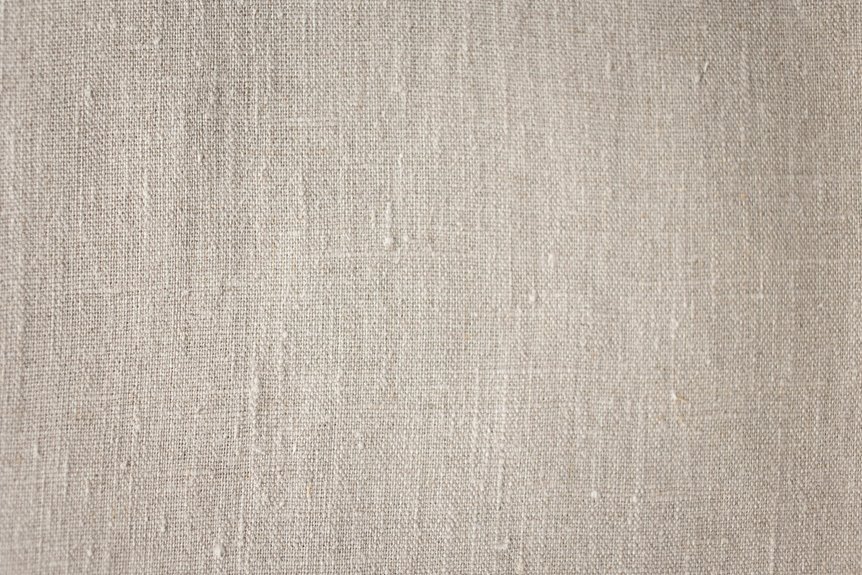
To source hemp fabric from China successfully, start by researching reliable suppliers with proven quality and certifications like GOTS or OEKO-TEX. Request samples to assess fiber strength and texture, then clarify pricing, payment terms, and order minimums. Make certain you understand shipping options and customs regulations to avoid delays. Verifying supplier legitimacy and compliance is essential for a smooth process. Learn how to navigate these steps thoroughly to guarantee you get quality fabric at the best value.
Key Takeaways
- Research reputable Chinese hemp fabric suppliers with verified licenses and positive customer reviews via platforms like Alibaba or Global Sources.
- Request product samples and certifications such as OEKO-TEX or GOTS to assess hemp fabric quality and sustainability standards.
- Clarify pricing details, minimum order quantities, and negotiate payment terms to manage costs and cash flow effectively.
- Understand import regulations, required documentation, and legal status of hemp in your country before shipping.
- Partner with reliable freight forwarders to handle shipping logistics, customs clearance, and manage tariffs or duties smoothly.
Understanding the Hemp Fabric Market in China
Although the hemp fabric market in China is vast and complex, you’ll find it offers a wide range of quality options at competitive prices.
China has become a global leader in hemp production, supported by favorable climate and government policies. You’ll encounter manufacturers producing everything from raw hemp fibers to finished textiles, catering to various industries like fashion, home goods, and industrial uses.
China leads hemp production with supportive policies, offering diverse products for fashion, home, and industry.
The market includes both traditional, handmade fabrics and modern, machine-processed options, so you can choose based on your specific needs.
Hemp fabric quality varies depending on factors such as fiber length, processing techniques, and blends with other materials.
Identifying Reliable Hemp Fabric Suppliers
How can you find trustworthy hemp fabric suppliers in China amid such a vast market? Start by researching suppliers with a solid track record and positive customer reviews.
Use platforms like Alibaba or Global Sources, but don’t rely solely on online information. Reach out directly to ask about their production capacity, minimum order quantities, and lead times.
Request references or samples to verify their reliability. Verify their business licenses and factory certifications to guarantee legitimacy.
Building a relationship through clear communication helps gauge professionalism and responsiveness.
Also, consider suppliers who specialize specifically in hemp fabric rather than general textiles, as they tend to have deeper expertise.
Taking these steps will help you identify dependable partners who can meet your sourcing needs effectively.
Assessing Quality and Certification Standards
When sourcing hemp fabric from China, you need to carefully assess quality and certification standards to confirm you get a product that meets your expectations and regulatory requirements.
Start by requesting detailed product specifications and samples to verify fiber strength, texture, and color consistency.
Check if the supplier complies with international standards like OEKO-TEX, GOTS, or ISO certifications, which confirm environmental and safety benchmarks.
Confirm that the hemp is cultivated using sustainable practices and free from harmful chemicals.
Don’t hesitate to ask for third-party lab test results to validate the fabric’s composition and durability.
Navigating Pricing and Payment Terms
After ensuring the hemp fabric meets your quality and certification standards, it’s important to understand the pricing structure and payment terms offered by suppliers.
Understanding pricing and payment terms is crucial after verifying hemp fabric quality and certifications
Ask for detailed quotes that break down costs per yard or kilogram, including any discounts for bulk orders. Be clear about minimum order quantities, as this often affects pricing.
Payment terms can vary, so clarify whether suppliers require a deposit upfront or full payment before shipment. Popular methods include T/T (wire transfer) and L/C (letter of credit), each with its own pros and cons.
Negotiate payment schedules that protect your investment without straining your cash flow. Confirm if there are any hidden fees, such as banking charges or currency conversion costs.
Clear communication here helps prevent surprises and builds trust with your supplier.
Managing Shipping and Import Regulations
Although sourcing hemp fabric from China can be straightforward, managing shipping and import regulations requires careful attention to avoid delays and extra costs.
You’ll want to familiarize yourself with customs requirements in both China and your country, including necessary documentation like commercial invoices, packing lists, and certificates of origin.
Choosing the right shipping method—sea freight for large orders or air freight for smaller, urgent shipments—also impacts timing and cost.
Don’t forget to verify hemp’s legal status in your country to guarantee compliance.
Working with a reliable freight forwarder can simplify handling tariffs, duties, and import permits.
Staying proactive about regulations helps you avoid unexpected fees and keeps your supply chain running smoothly from China to your doorstep.
Frequently Asked Questions
Can Hemp Fabric Be Blended With Other Fibers in China?
Yes, you can blend hemp fabric with other fibers like cotton or polyester in China. Manufacturers there often customize blends to meet your quality and texture preferences, ensuring you get the fabric mix that suits your needs perfectly.
What Are the Environmental Benefits of Hemp Fabric?
You’ll feel like you’re saving the planet single-handedly! Hemp fabric uses way less water, needs no pesticides, absorbs tons of CO2, and biodegrades quickly. Choosing hemp means you’re making Earth breathe easier instantly.
How Is Hemp Fabric Dyed and Printed in Chinese Factories?
You’ll find Chinese factories dye hemp fabric using eco-friendly, water-based dyes and natural pigments. They print designs through screen printing or digital methods, ensuring vibrant colors while minimizing environmental impact and preserving hemp’s natural texture.
Are There Seasonal Trends Affecting Hemp Fabric Availability?
Ever wonder if hemp fabric availability changes with the seasons? You’ll find it does, as harvesting depends on weather. So, you should plan your orders around peak harvest times to get the best quality and quantity.
What Are Common Uses of Hemp Fabric in Chinese Fashion?
You’ll find hemp fabric widely used in Chinese fashion for eco-friendly casual wear, traditional-style garments, and accessories. Designers love its breathability and durability, making it perfect for comfortable, sustainable clothing that suits everyday wear.