
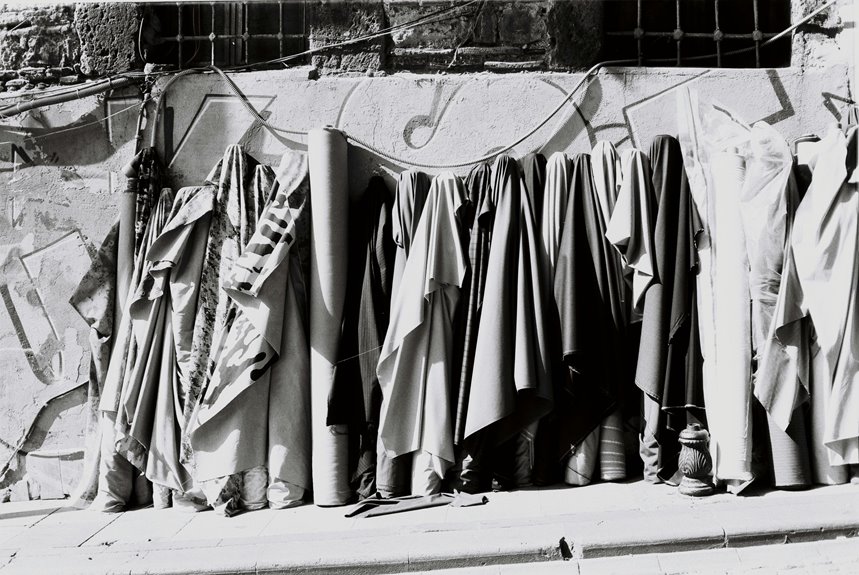
If you’re sourcing fabrics in Bangladesh, you’ll find a strong textile industry offering natural fabrics like cotton, jute, and silk, plus growing synthetic options. You can benefit from competitive pricing thanks to local manufacturing and government incentives. Keep in mind quality control can vary, so regular inspections and clear standards help. Sustainable practices are increasingly prioritized, appealing to eco-conscious buyers. Understanding supplier dynamics and policy benefits will give you an edge as you explore this vibrant market further.
Key Takeaways
- Bangladesh’s textile industry excels in cotton, jute, silk, polyester, and nylon fabrics with strong infrastructure and skilled labor.
- Competitive pricing stems from local manufacturing, minimal middlemen, and flexible order quantities, enhancing cost efficiency for sourcing agents.
- Sustainable practices dominate, emphasizing organic cotton, eco-friendly dyes, water conservation, and certifications like GOTS and OEKO-TEX.
- Quality control challenges include inconsistent fabric texture, color, and defects, necessitating clear standards and frequent inspections.
- Building strong supplier relationships and leveraging government incentives like tax breaks and export benefits ensure reliable sourcing and smoother operations.
Overview of Bangladesh’s Textile Industry
Although Bangladesh’s textile industry faces global competition, it remains one of the world’s largest and fastest-growing sectors.
When you explore sourcing options here, you’ll find a robust infrastructure supporting everything from raw material processing to finished garment production. The industry employs millions, demonstrating its significant economic impact and skilled labor availability.
You’ll appreciate how the government’s incentives have bolstered export growth, making Bangladesh a top choice for affordable, high-volume textile manufacturing.
Plus, the country’s commitment to sustainable practices is gaining traction, appealing to buyers focused on eco-friendly sourcing.
As you navigate this market, keep in mind that Bangladesh’s textile sector offers competitive pricing without compromising quality, making it ideal for meeting diverse sourcing needs efficiently and reliably.
Key Fabric Types Produced in Bangladesh
You’ll find Bangladesh produces a wide range of fabrics, with popular natural options like cotton and jute leading the way.
At the same time, synthetic fabrics such as polyester and nylon are gaining significant traction.
Understanding these key fabric types helps you source materials that fit your needs perfectly.
Popular Natural Fabrics
Natural fabrics form the backbone of Bangladesh’s textile industry, offering a range of high-quality materials that sourcing agents should know about.
Cotton stands out as the most prevalent natural fabric here, prized for its breathability and softness. You’ll also encounter jute, known as the “golden fiber,” which Bangladesh produces abundantly—it’s strong, biodegradable, and used for eco-friendly bags and home textiles.
Silk, though less common, features in luxury fabric segments, appreciated for its sheen and smooth texture. Additionally, you’ll find muslin, a finely woven cotton fabric with historical significance, still valued for its lightweight and delicate feel.
Understanding these natural fabrics helps you select the right materials that align with quality demands and sustainability trends in global markets.
Synthetic Fabric Varieties
When sourcing synthetic fabrics from Bangladesh, you’ll find a diverse range tailored to meet various market needs. Key varieties include polyester, nylon, acrylic, and spandex blends.
Polyester dominates due to its durability, wrinkle resistance, and cost-effectiveness, making it ideal for activewear and fashion garments. Nylon offers superior strength and elasticity, often used in sportswear and outerwear. Acrylic mimics wool’s warmth and softness, suitable for knitwear and sweaters. Spandex adds stretch and comfort, frequently blended with other fibers for enhanced flexibility.
Bangladesh’s manufacturers combine these synthetics to create versatile fabrics that support fast fashion and performance apparel. By understanding these synthetic fabric types, you can better match materials to your product requirements, ensuring quality and competitive pricing in your sourcing efforts.
Competitive Pricing and Cost Advantages
When you compare prices in the Bangladesh fabric market, you’ll notice significant cost advantages that come from local manufacturing.
These benefits help you secure competitive rates without sacrificing quality.
Understanding how to leverage these pricing strategies can boost your sourcing efficiency.
Price Comparison Strategies
Although sourcing agents in Bangladesh face a competitive fabric market, you can gain an edge by mastering price comparison strategies. Start by evaluating fabric quality alongside price to avoid sacrificing durability for cost. Use multiple supplier quotes to spot hidden fees or discounts. Keep track of price trends to negotiate better deals and leverage volume discounts.
Here’s a quick comparison framework to guide you:
| Factor | What to Check |
|---|---|
| Base Price | Compare unit costs across suppliers |
| Additional Costs | Include shipping, taxes, and fees |
| Volume Discounts | Identify thresholds for price cuts |
Local Manufacturing Benefits
Mastering price comparisons gives you a solid foundation, but tapping into local manufacturing brings even greater advantages.
When you source fabrics directly from Bangladesh’s manufacturers, you cut out middlemen, reducing costs markedly. Local production means you benefit from lower labor and material expenses, which translates into competitive pricing without compromising quality.
Additionally, working closely with manufacturers speeds up communication and order adjustments, helping you avoid costly delays. You’ll also find more flexibility in minimum order quantities, letting you manage inventory smarter.
Sustainable and Eco-Friendly Practices
As you explore the Bangladesh fabric market, you’ll find that sustainable and eco-friendly practices play a crucial role in shaping the industry’s future.
Many manufacturers now prioritize organic cotton, low-impact dyes, and water-saving technologies to reduce environmental footprints. You’ll notice that sourcing agents actively seek suppliers committed to fair labor practices and minimizing waste.
Certifications like GOTS and OEKO-TEX have become essential markers of credibility in this market, guiding you to responsible producers.
By focusing on sustainability, you not only support environmental protection but also meet the growing demand from global buyers for ethical products.
Embracing these practices can enhance your sourcing strategy, ensuring that the fabrics you procure align with both quality standards and eco-conscious values.
Major Textile Hubs and Manufacturing Centers
When you plunge into Bangladesh’s fabric market, you’ll quickly see that certain regions stand out as major textile hubs and manufacturing centers.
Dhaka, the capital, remains the heart of garment manufacturing, hosting numerous factories and textile mills.
Dhaka stands as Bangladesh’s garment hub, bustling with factories and textile mills.
Nearby Narayanganj is famous for its dense concentration of weaving and dyeing units, ideal for sourcing diverse fabrics.
Chittagong, the port city, supports heavy textile production and efficient export logistics, making it a strategic location for sourcing agents.
Gazipur, just north of Dhaka, has rapidly grown into a textile powerhouse with numerous spinning and knitting factories.
Knowing these hubs helps you target your sourcing efforts effectively, ensuring you connect with manufacturers who can meet your specific fabric needs and production timelines while benefiting from Bangladesh’s established textile infrastructure.
Quality Standards and Certifications
Although Bangladesh’s fabric market offers competitive prices and vast variety, ensuring quality standards and certifications is essential for sourcing agents like you.
You’ll want to verify that suppliers comply with international benchmarks such as ISO 9001 for quality management and OEKO-TEX Standard 100 for harmful substances, which guarantee product safety and consistency.
Additionally, certifications like GOTS (Global Organic Textile Standard) and BCI (Better Cotton Initiative) demonstrate commitment to sustainable practices.
These credentials not only protect your brand reputation but also ease compliance with global retailers’ requirements.
When negotiating, ask for documentation and conduct random inspections to confirm adherence.
Export Trends and Market Growth
Since Bangladesh has steadily expanded its textile production capacity, you can expect significant shifts in export trends and market growth. The country has become one of the top global fabric exporters, driven by increasing demand from major markets like the US and Europe.
As a sourcing agent, you’ll notice a rise in the volume and variety of fabrics available, including sustainable and specialized textiles. Bangladesh’s competitive pricing and improved infrastructure make it easier for you to secure timely shipments.
Additionally, government incentives and trade agreements have boosted export capabilities. By tapping into these trends, you can leverage Bangladesh’s growing market to diversify your sourcing options and enhance your supply chain efficiency, positioning your business for long-term success in the textile industry.
Challenges in Sourcing From Bangladesh
When sourcing from Bangladesh, you’ll face challenges like quality control issues that can affect your product standards.
Supply chain disruptions might delay your orders, causing unexpected setbacks.
Plus, maneuvering through regulatory compliance can be tricky and time-consuming without proper guidance.
Quality Control Issues
If you want consistent fabric quality from Bangladesh, you’ll need to navigate several quality control challenges. Fabric mills vary in standards, so you might face inconsistencies in texture, color, and durability.
Without rigorous inspections, defects like uneven dyeing or weak stitching can slip through, affecting your final product. You’ll also need to manage variations caused by different raw material sources and fluctuating production processes.
To tackle this, establish clear quality benchmarks and conduct frequent on-site checks or third-party inspections. Communicating your expectations clearly with suppliers reduces misunderstandings.
Keep in mind, proactive quality control saves you from costly returns and maintains your brand reputation. Staying vigilant throughout production guarantees the fabric meets your specifications every time.
Supply Chain Disruptions
Maintaining consistent quality in fabrics from Bangladesh is just one part of the sourcing puzzle. You also have to navigate frequent supply chain disruptions that can delay your orders and increase costs.
Strikes, transportation bottlenecks, and port congestion often cause shipment delays, making it tough to stick to tight production schedules. Additionally, power outages and infrastructure limitations can slow down manufacturing processes, impacting delivery timelines.
Seasonal demand spikes and raw material shortages further complicate your planning. To stay ahead, you need strong local partnerships and real-time communication channels with suppliers.
Being proactive by building buffer times into your schedules and diversifying your supplier base will help you manage these disruptions effectively and keep your supply chain resilient in Bangladesh’s dynamic market.
Regulatory Compliance Challenges
Although Bangladesh offers competitive fabric sourcing opportunities, maneuvering its regulatory landscape can pose significant challenges for you. You’ll need to navigate complex import-export rules, customs procedures, and compliance with local labor and environmental laws.
Regulations may change frequently, so staying updated requires constant attention. Non-compliance risks delays, fines, or even shipment rejections, impacting your delivery timelines and costs.
Additionally, documentation requirements can be stringent, demanding accuracy and thoroughness to avoid complications. Partnering with reliable local agents or legal advisors can help you interpret and meet these regulations efficiently.
Building Relationships With Local Suppliers
Developing strong relationships with local suppliers is essential for sourcing agents in Bangladesh’s fabric market. You’ll find that trust and clear communication pave the way for smoother negotiations and better deals.
Make an effort to visit suppliers regularly, understand their production capabilities, and respect their timelines. Being transparent about your expectations helps prevent misunderstandings and builds mutual respect.
You should also stay informed about their challenges and show flexibility when possible, which encourages loyalty. Building rapport goes beyond business—taking time to learn about their culture and values strengthens your partnership.
Ultimately, these relationships give you access to higher-quality fabrics, competitive pricing, and reliable delivery schedules, all vital for successful sourcing in this dynamic market.
Impact of Government Policies and Incentives
When you navigate Bangladesh’s fabric market, you’ll quickly see how government policies and incentives shape sourcing opportunities. The government offers tax breaks, duty exemptions, and export incentives that lower your overall costs.
These policies encourage local manufacturers to invest in advanced technology and sustainable practices, improving fabric quality and variety. You’ll also benefit from streamlined customs procedures designed to speed up shipments.
However, staying updated on policy changes is vital, as shifts can impact pricing and delivery timelines. By leveraging these incentives, you can negotiate better deals and guarantee a more reliable supply chain.
Understanding the regulatory environment helps you mitigate risks and maximize value when sourcing fabrics in Bangladesh’s dynamic market.
Future Outlook for the Bangladesh Fabric Market
As global demand for sustainable and high-quality fabrics grows, you’ll find Bangladesh’s fabric market positioned for significant expansion.
The country’s focus on eco-friendly production and technological upgrades means you can expect improved fabric quality and a broader product range. Government incentives will likely continue, encouraging investment and innovation in textile manufacturing.
You’ll also notice increasing integration of digital tools, which streamlines sourcing and supply chain management, making your work more efficient.
However, stay mindful of global trade dynamics and environmental regulations that could affect market access.
Frequently Asked Questions
How Do Currency Fluctuations Affect Fabric Sourcing Costs in Bangladesh?
As they say, “A penny saved is a penny earned.” When currency fluctuates, you’ll see fabric costs rise or fall unpredictably, affecting your budget. Staying updated helps you negotiate better and avoid unexpected expenses.
What Payment Methods Are Safest for International Buyers?
You’ll find letters of credit and escrow services safest for international payments. They protect your funds until you confirm delivery. Using PayPal or wire transfers with trusted suppliers also reduces risks but always verify credentials first.
How Can Sourcing Agents Verify Supplier Authenticity in Bangladesh?
Like a medieval knight verifying a scribe’s scroll, you check supplier authenticity by visiting factories, requesting business licenses, reviewing certifications, asking for client references, and conducting third-party audits to guarantee legitimacy and reliability.
What Are Typical Lead Times for Fabric Orders?
Typical lead times for fabric orders range from 2 to 6 weeks, depending on fabric type and order size. You’ll want to confirm timelines with suppliers to avoid delays and guarantee smooth production schedules.
Are There Language Barriers When Negotiating With Bangladeshi Suppliers?
About 80% of Bangladeshi suppliers speak basic English, so you won’t face major language barriers when negotiating. Still, you should speak clearly and confirm details to avoid misunderstandings and guarantee smooth communication.