
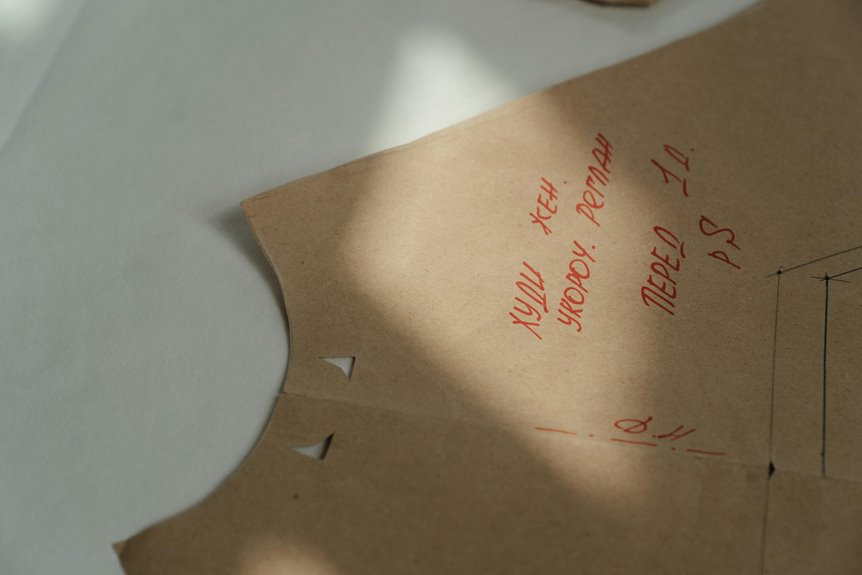
When working with nonwoven fabrics, choose the right type like spunbond for strength or meltblown for delicate projects. Use sharp fabric scissors and a self-healing cutting mat to get clean edges. Sew with fine needles and shorter stitches to prevent tearing, or try heat sealing or fabric glue for bonding. Adding texture and color pops your design, but watch for fraying and static cling. Keep going to explore tips, tricks, and creative ideas that make your crafting shine.
Key Takeaways
- Understand different nonwoven types like spunbond, meltblown, and needle-punched to choose the right fabric for your craft project.
- Use sharp fabric scissors or rotary cutters on a stable, self-healing cutting mat to achieve clean, precise cuts without fraying.
- Employ fine, sharp needles and shorter stitch lengths when sewing nonwoven fabrics to prevent tearing and strengthen seams.
- Utilize bonding methods such as heat sealing, ultrasonic welding, or fabric adhesives based on fabric type and project durability needs.
- Experiment with projects like reusable gift bags, custom wall art, and decorative coasters while managing static and fraying with sprays or heat.
Understanding Different Types of Nonwoven Fabrics
Nonwoven fabrics come in a variety of types, each designed to serve specific purposes. When you start working with them, you’ll notice three main categories: spunbond, meltblown, and needle-punched.
Spunbond fabrics are strong and durable, perfect for reusable items like bags or upholstery. Meltblown fabrics have fine fibers that filter well, making them ideal for masks or medical use. Needle-punched nonwovens offer a felt-like texture, great for crafts needing a soft, sturdy feel.
You’ll also find bonded and hydroentangled types, each offering unique strength and flexibility. Understanding these differences helps you choose the right fabric for your project, ensuring your craft not only looks good but performs well over time.
Essential Tools for Crafting With Nonwovens
To get started with crafting using nonwoven fabrics, you’ll need a few essential tools that make cutting, shaping, and assembling much easier. Having the right tools not only improves accuracy but also speeds up your project. Focus on quality scissors, a durable cutting mat, and a reliable adhesive suited for nonwovens. Other helpful items include fabric weights, pins, and measuring tools. Here’s a quick overview:
| Tool | Purpose | Recommended Type |
|---|---|---|
| Scissors | Precise cutting | Sharp, fabric-specific |
| Cutting Mat | Protects surfaces | Self-healing, medium-sized |
| Adhesive | Bonding pieces | Fabric glue, double-sided tape |
With these in hand, you’ll enjoy smoother crafting sessions and better results.
Techniques for Cutting Nonwoven Materials
When cutting nonwoven fabrics, you’ll want to choose sharp scissors or rotary cutters for clean edges.
Make sure to use a stable cutting surface to keep your material steady and prevent fraying.
These simple steps will help you achieve precise cuts every time.
Sharp Tools Selection
Although cutting nonwoven materials might seem straightforward, choosing the right sharp tools can make all the difference in your project’s outcome. You want edges that are clean and precise, so your fabric doesn’t fray or distort.
Here are three tool options to evaluate:
- Sharp Fabric Scissors – Designed specifically for textiles, these scissors glide through nonwovens without snagging.
- Rotary Cutters – Ideal for straight cuts, they offer smooth, consistent slicing on flat surfaces.
- Craft Knives – Perfect for detailed or curved cuts, just make sure the blades are fresh and sharp.
Keep your tools well-maintained and replace blades regularly. Using dull tools can cause jagged edges and waste material, undermining your hard work.
Cutting Surface Tips
A stable cutting surface guarantees your nonwoven fabric stays flat and secure while you work, preventing unwanted shifts that can ruin your cuts.
Use a self-healing cutting mat to protect both your tools and work area. These mats provide a smooth, firm base that won’t dull your blades quickly.
Avoid cutting directly on slippery or uneven surfaces, as they can cause jagged edges or fabric distortion. If your fabric tends to slip, place a lightweight, non-slip material underneath to keep it steady.
Always verify your workspace is well-lit so you can see your cutting lines clearly.
Sewing and Bonding Methods for Nonwoven Fabrics
When working with nonwoven fabrics, you’ll want to use sewing techniques that prevent fraying and maintain strength.
You can also explore popular bonding methods like heat sealing and adhesive bonding to join pieces without stitching. Understanding these options helps you choose the best approach for your project’s needs.
Effective Sewing Techniques
Since nonwoven fabrics lack the woven structure of traditional textiles, you’ll need to adjust your sewing techniques to prevent fraying and guarantee strong seams.
Start by choosing the right needle; a universal or ballpoint needle works best to avoid damaging the fabric. Next, use a shorter stitch length to reinforce the seam and reduce the risk of unraveling. Finally, consider backing your fabric with a lightweight stabilizer to add strength during stitching.
Here are three effective sewing tips for nonwovens:
- Use sharp, fine needles to pierce without tearing.
- Opt for polyester thread for durability and flexibility.
- Sew slowly to maintain control and precision.
These adjustments will help your projects hold up beautifully.
Popular Bonding Methods
Although sewing is a common method to join nonwoven fabrics, you’ll find that bonding techniques offer faster and often stronger alternatives.
Popular bonding methods include heat sealing, ultrasonic welding, and adhesive bonding. Heat sealing uses controlled heat and pressure to fuse fabric layers, ideal for thermoplastic-based nonwovens.
Ultrasonic welding employs high-frequency vibrations to create strong joints without additional materials, perfect for delicate or moisture-sensitive projects.
Adhesive bonding involves applying glue or tape, giving you flexibility and quick setup, especially for irregular shapes or multi-material assemblies.
Each method suits different project needs, so consider fabric type, durability, and appearance when choosing.
Tips for Adding Texture and Color to Your Projects
How can you transform plain nonwoven fabrics into vibrant, tactile masterpieces? Start by experimenting with these simple, creative techniques:
- Layer and Stitch: Add depth by layering different colors or textures of nonwoven fabric. Use stitching to create patterns or outlines that enhance the tactile feel.
- Incorporate Dye and Paint: Nonwovens absorb dyes and fabric paints well. Use brushes or sponges to apply color, creating gradients or bold designs.
- Add Embellishments: Glue or sew on beads, sequins, or textured trims to introduce sparkle and dimension.
Each method lets you customize your project’s look and feel easily.
Try combining these tips to bring your nonwoven creations to life with personalized texture and color.
Common Challenges and How to Overcome Them
Enhancing your nonwoven fabric projects with color and texture can bring stunning results, but you might also face some challenges along the way.
One common issue is fraying edges; to prevent this, use heat sealing or fabric glue to keep your pieces intact.
Another challenge is uneven dye absorption, which you can minimize by testing colors on scraps before committing.
Nonwovens sometimes lack the stretch or durability of woven fabrics, so reinforcing seams with interfacing or double stitching helps maintain strength.
Static cling may make handling tricky—lightly misting your workspace with water or using anti-static sprays can ease this.
Creative Project Ideas Using Nonwoven Fabrics
Nonwoven fabrics offer countless possibilities for creative projects, whether you’re making home décor, accessories, or gifts.
Their versatility and ease of use make them perfect for quick, stylish creations. Here are three project ideas to get you started:
- Custom Wall Art: Cut nonwoven fabric into shapes or patterns, then layer and glue them onto a canvas for unique, textured pieces.
- Reusable Gift Bags: Sew simple pouches from nonwoven fabric for eco-friendly wrapping that’s both durable and attractive.
- Decorative Coasters: Cut and embellish fabric squares with fabric paint or stitching to create personalized coasters that brighten any table.
Try these ideas to explore the potential of nonwoven fabrics in your crafting, and you’ll discover how fun and practical they can be.
Frequently Asked Questions
Are Nonwoven Fabrics Environmentally Friendly and Recyclable?
You’ll find nonwoven fabrics vary in environmental impact; some are recyclable and biodegradable, while others aren’t. It’s important you check the material type and local recycling options to reduce waste and make eco-friendly choices.
How Do Nonwoven Fabrics Compare in Durability to Woven Fabrics?
You’ll find nonwoven fabrics generally less durable than woven ones because they lack interlaced fibers. However, they’re often strong enough for specific uses, and their durability can improve with added treatments or bonding techniques.
Can Nonwoven Fabrics Be Used for Clothing That Requires Breathability?
You can use nonwoven fabrics for breathable clothing, but they generally don’t offer the same airflow as woven fabrics. For better breathability, look for specialized nonwovens designed with ventilation or moisture-wicking properties.
What Are the Best Storage Methods for Nonwoven Fabric Leftovers?
You know what they say: “A stitch in time saves nine.” You should store your nonwoven fabric leftovers in a cool, dry place, rolled or flat, away from direct sunlight to keep them fresh and ready for your next project.
Are There Any Health Risks Associated With Handling Nonwoven Materials?
You might face mild irritation or allergic reactions when handling some nonwoven materials, especially if they contain chemicals. Wearing gloves and working in a well-ventilated space can help you avoid these health risks effectively.