
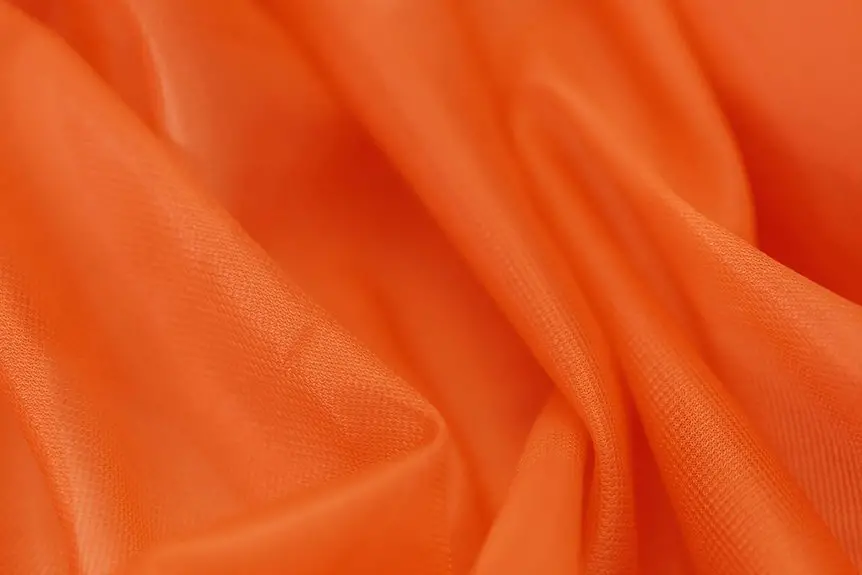
You’ll find spunlace nonwoven fabric soft, strong, and breathable, made by bonding fibers with high-pressure water jets for durability without weaving. It blends natural and synthetic fibers, offering excellent absorbency and flexibility, perfect for wipes, medical gowns, and more. Its eco-friendliness depends on the fibers used, with sustainable production helping reduce impact. If you want to understand its properties, uses, and how it compares to other fabrics, keep exploring what makes spunlace unique.
Key Takeaways
- Spunlace fabric is made by hydroentangling fibers with high-pressure water jets, resulting in soft, durable, and breathable nonwoven material.
- It uses natural fibers like cotton and viscose, and synthetic fibers to balance softness, strength, absorbency, and moisture resistance.
- Key properties include excellent softness, strength, durability, absorbency, and breathability, suitable for wipes, medical gowns, and hygiene products.
- Sustainable production involves eco-friendly fibers, energy-efficient processes, water recycling, and waste management to reduce environmental impact.
- Compared to spunbond and meltblown fabrics, spunlace offers superior softness and strength, ideal for medical and personal care applications.
What Is Spunlace Nonwoven Fabric?
Spunlace nonwoven fabric is a type of material made by entangling fibers with high-pressure water jets.
When you use this fabric, you’ll notice it’s soft, flexible, and breathable, making it ideal for various applications. You’ll find it in wipes, medical gowns, and even filtration products because it combines strength with comfort.
Unlike woven fabrics, spunlace doesn’t require weaving or knitting, which gives it unique durability without compromising softness. You’ll also appreciate that it’s often made from natural or synthetic fibers, allowing for versatility in texture and performance.
Spunlace fabric offers unique durability and softness without weaving, made from natural or synthetic fibers for versatile performance.
When you need a fabric that’s both gentle on the skin and sturdy enough for daily use, spunlace nonwoven fabric fits the bill perfectly.
The Spunlace Manufacturing Process
Although it might seem complex at first, the manufacturing process behind spunlace nonwoven fabric relies on a clever use of high-pressure water jets to bond fibers together.
You start with a loose web of fibers, often a blend of natural and synthetic materials. This web passes beneath water jets that spray fine, powerful streams. These jets entangle the fibers, creating a strong, cohesive fabric without using adhesives or heat.
After hydroentangling, the fabric moves through drying and finishing stages to stabilize its structure and enhance performance. You’ll notice this method allows for flexibility in fiber choices and fabric thickness, making spunlace versatile for various applications.
Key Properties of Spunlace Fabric
You’ll notice spunlace fabric stands out for its softness and unique texture, making it gentle on the skin.
It also offers impressive strength and durability, so it holds up well during use.
Plus, its excellent absorbency and breathability keep it comfortable in various applications.
Softness and Texture
Softness stands out as one of the most appealing qualities when you touch this fabric. Spunlace fabric feels gentle against your skin because of its unique production process, where high-pressure water jets entangle fibers without harsh chemicals or adhesives.
This method preserves the natural softness of the fibers, making the material pleasant for direct contact. You’ll notice it has a smooth, even texture that feels lightweight yet luxurious.
The fabric’s texture can vary slightly depending on fiber type and jet settings, allowing it to range from silky to plush. This versatility means you can find spunlace fabric suited for delicate applications like wipes or comfortable apparel.
Strength and Durability
While spunlace fabric feels gentle and smooth against your skin, it also offers impressive strength and durability. This strength comes from the hydroentanglement process, which tightly bonds fibers without adhesives, making the fabric resistant to tearing and wear. You’ll find spunlace fabric holds up well under stress, ideal for applications requiring both softness and toughness.
Here’s a quick comparison of strength properties:
| Property | Description | Benefit |
|---|---|---|
| Tensile Strength | Resistance to pulling forces | Prevents fabric tearing |
| Tear Resistance | Ability to withstand ripping | Enhances fabric longevity |
| Abrasion Resistance | Durability against surface wear | Maintains appearance over time |
With these qualities, spunlace fabric suits demanding uses while staying soft.
Absorbency and Breathability
Absorbency and breathability make spunlace fabric especially versatile for many applications. When you use this fabric, you’ll notice it quickly soaks up moisture, making it ideal for wipes, medical dressings, or hygiene products.
The fibers’ entanglement creates tiny channels that let air pass through easily, so the fabric feels comfortable against your skin. This breathability reduces heat buildup and keeps you cool, which is why spunlace works well in apparel and bedding.
Plus, its absorbent nature helps manage fluids efficiently without sacrificing airflow. Whether you need a fabric that handles moisture or one that promotes ventilation, spunlace offers a reliable balance of both properties to meet your performance needs.
Types of Fibers Used in Spunlace Production
When you explore spunlace production, you’ll find it uses both natural and synthetic fibers.
Natural fibers like cotton offer softness and breathability, while synthetic options provide strength and durability.
Understanding these fiber types helps you choose the right fabric for your needs.
Natural Fiber Varieties
Natural fibers play an essential role in spunlace nonwoven fabric production, offering unique qualities that synthetic fibers can’t always match.
When you work with spunlace, you’ll often encounter cotton, known for its softness, breathability, and biodegradability. It’s ideal for wipes and hygiene products.
Linen and hemp fibers bring strength and durability, perfect for more robust applications. Wool adds natural warmth and moisture-wicking properties, useful in medical textiles.
You might also find viscose, a regenerated fiber derived from natural cellulose, which blends the benefits of natural fibers with enhanced absorbency.
Using these natural fibers lets you create fabrics that feel gentle on the skin and are eco-friendly.
Choosing the right natural fiber depends on your product’s needs, balancing comfort, strength, and sustainability.
Synthetic Fiber Options
Several synthetic fibers play an essential role in spunlace nonwoven fabric production, offering durability and versatility that complement natural fibers.
When you choose spunlace fabrics, synthetic fibers enhance strength, moisture resistance, and texture, making them suitable for various applications.
You’ll often encounter these common synthetic fibers:
- Polyester: Provides excellent strength and resistance to shrinking and stretching, ideal for wipes and medical fabrics.
- Polypropylene: Known for its lightweight and chemical resistance, often used in hygiene products and filters.
- Nylon: Offers superior elasticity and abrasion resistance, perfect for durable apparel and industrial uses.
Advantages of Spunlace Nonwoven Fabric
Spunlace nonwoven fabric offers numerous advantages that make it a popular choice across various industries.
You’ll appreciate its softness and flexibility, which mimic woven fabrics, making it comfortable for direct skin contact. Its strength and durability come from the entangled fibers, ensuring it holds up well under stress without tearing easily.
You’ll also benefit from its excellent absorbency, which allows it to quickly wick moisture away. Plus, spunlace fabric is breathable and lightweight, adding to its comfort and functionality.
It’s also environmentally friendly since it can be made from recycled fibers and doesn’t require chemical binders.
With its versatility, you can rely on spunlace nonwoven fabric for durable, effective, and comfortable material needs without compromising quality or sustainability.
Common Applications of Spunlace Fabric
Because it combines durability with softness, spunlace fabric finds its way into a wide range of applications you encounter daily.
You’ll notice it in personal care products, medical supplies, and even household items. Its versatility makes it ideal wherever comfort and strength are essential.
You can find spunlace fabric used in:
- Wet wipes and facial cleansers: gentle on skin yet strong enough for effective cleaning.
- Medical dressings and surgical gowns: providing breathability and protection during procedures.
- Home textiles like mattress covers and upholstery linings: offering durability without sacrificing softness.
Environmental Impact and Sustainability of Spunlace
You’ll want to reflect on how spunlace fabric breaks down and its overall biodegradability when evaluating its environmental impact.
It’s also important to look at the sustainable practices used during production to reduce waste and energy consumption.
Understanding these factors can help you make more eco-friendly choices with spunlace materials.
Biodegradability of Spunlace
Understanding the biodegradability of spunlace nonwoven fabric is key to evaluating its environmental footprint.
Since spunlace is often made from natural fibers like cotton or viscose, it can break down more easily than synthetic alternatives.
However, its biodegradability depends on the fiber content and any chemical treatments used during manufacturing. You should consider these factors when choosing spunlace for eco-friendly applications.
Here’s what impacts biodegradability in spunlace fabrics:
- Fiber type: Natural fibers degrade faster than synthetic ones.
- Additives: Chemicals and finishes may slow down decomposition.
- Environmental conditions: Moisture, temperature, and microbial presence affect breakdown speed.
Sustainable Production Practices
While spunlace nonwoven fabric offers many advantages, its sustainability largely depends on how it’s produced. You can reduce environmental impact by choosing suppliers that prioritize eco-friendly raw materials, like recycled fibers or renewable resources.
The water-jet entanglement process itself uses less energy compared to other fabric manufacturing methods, but you should still guarantee water recycling systems are in place to minimize waste. Additionally, selecting facilities that use renewable energy sources and implement strict waste management practices helps lower the carbon footprint.
Comparing Spunlace With Other Nonwoven Fabrics
Although spunlace shares similarities with other nonwoven fabrics, it stands out due to its unique water jet entanglement process that enhances strength and softness.
When you compare spunlace to fabrics like spunbond or meltblown, you’ll notice key differences in texture, durability, and application.
Spunlace offers a softer hand feel and better absorbency, making it ideal for hygiene and medical products.
Consider these points when comparing:
- Spunbond: Strong but less soft; used mainly for geotextiles and packaging
- Meltblown: Fine filtration efficiency but lower tensile strength
- Spunlace: Balanced softness, strength, and absorbency; great for wipes and medical use
Understanding these differences helps you choose the right fabric for your specific needs.
Innovations and Trends in Spunlace Technology
As spunlace technology evolves, manufacturers are pushing the boundaries to create fabrics that are stronger, softer, and more sustainable. You’ll find innovations like advanced hydroentangling techniques and eco-friendly fibers enhancing product quality. Plus, digitalization in production boosts efficiency and customization.
Here’s a quick look at current trends:
| Innovation | Benefit | Application |
|---|---|---|
| High-pressure jets | Improved fiber bonding | Medical textiles |
| Biodegradable fibers | Reduced environmental impact | Disposable wipes |
| Automation | Consistent quality | Hygiene products |
| Nanotechnology | Enhanced fabric properties | Filtration |
| Recycled materials | Cost-effective sustainability | Packaging |
Embracing these trends guarantees you stay ahead in the competitive spunlace market.
Care and Maintenance of Spunlace Products
Because spunlace fabrics combine delicate fibers with unique bonding methods, you’ll need to handle them carefully to preserve their strength and softness.
When caring for your spunlace products, avoid harsh chemicals or high heat, as these can weaken the fabric’s structure. Instead, opt for gentle washing and drying techniques to maintain durability.
To keep your spunlace fabric in top condition, remember to:
- Use mild detergents and cold water for washing
- Air dry or use low heat settings in dryers
- Store products in a clean, dry place away from direct sunlight
Frequently Asked Questions
Can Spunlace Fabric Be Recycled at Home?
You can’t easily recycle spunlace fabric at home since it’s made from mixed fibers and bonded with water jets. Instead, try repurposing it for cleaning rags or crafts to reduce waste effectively.
What Are the Health Risks of Working With Spunlace Fabric?
You might face skin irritation or respiratory issues if fibers become airborne while handling spunlace fabric. Wearing protective gear and working in well-ventilated areas helps minimize these health risks effectively.
How Does Spunlace Fabric Perform in Extreme Weather Conditions?
Did you know spunlace fabric can retain up to 300% of its weight in water? You’ll find it performs well in extreme weather, staying durable and breathable, but heavy moisture might affect its insulation properties.
Are There Any Certifications for Spunlace Fabric Quality?
Yes, you’ll find spunlace fabric certified by standards like OEKO-TEX and ISO for quality and safety. These certifications guarantee the fabric meets strict criteria, so you can trust its performance and environmental impact.
What Is the Cost Comparison of Spunlace vs. Traditional Textiles?
You’ll find spunlace fabric generally costs more upfront than traditional textiles due to advanced manufacturing, but it offers durability and specific benefits that might save you money long-term with less waste and maintenance.