
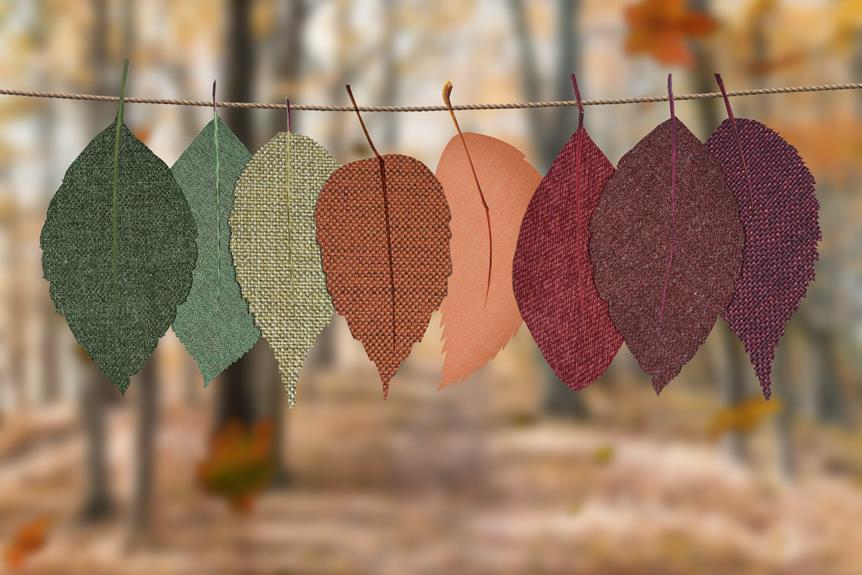
You should master five essential fabrics to excel in your sewing endeavors. Understanding the properties and best uses of cotton, silk, wool, linen, and polyester is crucial for creating high-quality garments and crafts.
Each fabric offers unique characteristics that impact the drape, durability, and overall aesthetic of your creations. For instance, cotton, with its breathability and versatility, is a staple in many sewing projects.
As you delve into the intricacies of these fabrics, you will gain the expertise needed to elevate your sewing skills and produce exceptional pieces.
Key Takeaways
- Cotton is a versatile and comfortable fabric suitable for various sewing projects, and it is ideal for quilting due to its durability and color retention.
- Silk is a luxurious fabric with a smooth texture and elegant drape, but it requires careful handling and care, such as hand washing or dry cleaning delicate silks.
- Wool is an essential fabric for winter garments due to its exceptional insulation and natural elasticity, and exploring felting techniques can add texture and structure to designs.
- Linen is a highly breathable fabric perfect for warm-weather clothing, and its lightweight nature and natural wrinkles add to its casual charm. It is also versatile for a range of garments and home decor items.
Cotton
When sewing, you should consider using cotton for its versatility and breathability.
Cotton fabric is a staple in the world of sewing due to its wide range of uses and benefits.
For clothing, cotton is an excellent choice as it's comfortable to wear, allows the skin to breathe, and is easy to care for. When making cotton clothing, consider prewashing the fabric to account for potential shrinkage.
Additionally, cotton is an ideal fabric for quilting due to its durability and ability to hold color well. When using cotton for quilting, it's important to choose high-quality, tightly woven cotton to ensure the longevity of the quilt.
Cotton's natural fibers make it suitable for various quilting techniques such as piecing, appliqué, and hand quilting. Its breathability and softness also make it a popular choice for bedding quilts.
Silk
If you're looking for a luxurious and versatile fabric for your sewing projects, silk is an excellent choice. Its smooth texture and elegant drape make it perfect for creating stunning garments and elegant accessories. When working with silk, it's crucial to handle it with care to preserve its beauty and integrity. Here are some essential tips for silk care and recommended sewing techniques:
| Silk Care | Sewing Techniques |
|---|---|
| Hand wash in cold water using a gentle detergent or dry clean for delicate silks. | Use fine silk pins and needles to prevent snags and puckering. |
| Air dry away from direct sunlight to avoid color fading and distortion. | Opt for French seams or narrow hems to maintain the fabric's delicate nature. |
| Iron on a low setting while the fabric is still damp or use a pressing cloth to avoid shine and damage. | Employ tissue paper or a stabilizer to prevent slippage and distortion during sewing. |
Wool
Silk's luxurious drape and elegance are matched by wool's warmth and versatility, making it an essential fabric for a wide range of sewing projects. When working with wool, understanding its fiber properties and sustainable sourcing is crucial for achieving the best results.
Here are some key points to consider:
- Winter Garments: Wool is an ideal choice for creating winter garments due to its exceptional insulating properties. It provides warmth without adding bulk, making it perfect for cozy coats, sweaters, and scarves.
- Fiber Properties: Wool's natural crimp gives it elasticity, making it resistant to wrinkles and tearing. Additionally, it has moisture-wicking properties, ensuring comfort in various climates.
- Sustainable Sourcing: Many sewists are now prioritizing sustainable and ethical sourcing of materials. When using wool, look for suppliers committed to responsible and humane practices in sheep farming.
- Felting Techniques: Wool's unique ability to felt opens up a world of creative possibilities. Understanding felting techniques allows you to manipulate wool fabric to create textured designs and durable, structured items.
Mastering the use of wool in your sewing projects won't only result in beautiful and functional creations but also contribute to a more sustainable and ethical approach to crafting.
Linen
Continuing from the versatility of wool, sewists frequently appreciate the natural breathability and timeless appeal of linen in their projects. Linen is made from the flax fiber, which is known for its strength and natural luster. This breathable fabric is a popular choice for warm-weather clothing due to its ability to wick moisture away from the body, keeping you cool and comfortable.
| Properties | Description |
|---|---|
| Breathable | Linen is highly breathable, making it ideal for summer garments and household items. |
| Lightweight | This fabric is lightweight and perfect for creating flowing, airy garments. |
| Wrinkle-Resistant | While it does crease easily, linen's natural wrinkles add to its casual, relaxed charm. |
Sewists often use linen to create a range of garments, from dresses and shirts to trousers and skirts. Its versatility extends to home decor items like curtains, tablecloths, and napkins. When working with linen, it's important to pre-wash the fabric to allow for any shrinkage, and to use a new, sharp needle to prevent snagging. With its natural elegance and timeless appeal, linen remains a staple in every sewist's collection.
Polyester
Polyester's durability and versatility make it a staple in every sewist's collection. When working with this fabric, it's important to understand the different aspects of polyester blends and sustainable polyester options.
Here are some essential points to consider:
- Polyester Blends: Experiment with different polyester blends to achieve the desired characteristics in your garments. Blending polyester with natural fibers like cotton or wool can enhance the fabric's breathability and comfort, making it suitable for a wider range of clothing items.
- Sustainable Polyester Options: Explore sustainable polyester options such as recycled polyester, which is made from post-consumer plastic bottles. This eco-friendly alternative helps reduce environmental impact and contributes to a more sustainable approach to fashion and sewing.
- Versatility: Polyester's versatility extends to its dyeability and resistance to wrinkles, making it a practical choice for everyday wear and easy-care garments.
- Durability: Due to its strength and resilience, polyester is well-suited for items that require frequent washing and wear, ensuring longevity and durability.
Understanding these aspects of polyester will empower you to make informed decisions and elevate your sewing projects.
Frequently Asked Questions
What Are Some Common Uses for Cotton, Silk, Wool, Linen, and Polyester Fabrics?
When sewing, cotton, silk, wool, linen, and polyester each offer unique fabric properties and characteristics. Consider these when selecting fabrics for different projects. Cotton is versatile and breathable, silk is luxurious, wool is warm, linen is durable, and polyester is easy to care for.
Are There Any Special Care Instructions for Maintaining the Quality of These Fabrics?
To maintain the quality and longevity of these fabrics, special care is necessary. Follow fabric-specific care instructions for washing, drying, and ironing to ensure proper maintenance and preservation of the fabric's integrity and appearance.
Can These Fabrics Be Easily Dyed or Printed On?
Yes, these fabrics can be easily dyed or printed on. Fabric printing and dyeing techniques are accessible and can be applied to a variety of fabrics, offering you the opportunity to customize your creations.
Are There Any Environmental or Ethical Considerations to Take Into Account When Working With These Fabrics?
When working with fabrics, it's important to consider the environmental impact and ethical sourcing. Some fabrics may have a larger carbon footprint or be linked to unethical practices, so it's vital to research and make informed choices.
Are There Any Specific Sewing Techniques or Tips for Working With These Fabrics?
When working with different fabrics, it's essential to employ specific sewing techniques and fabric tips to ensure the best results. Pay attention to things like needle type, thread tension, and fabric handling to achieve professional-looking garments.